Techwear in Alternative Fashion: 5 Key Trends for Urban Performance
Advertisements
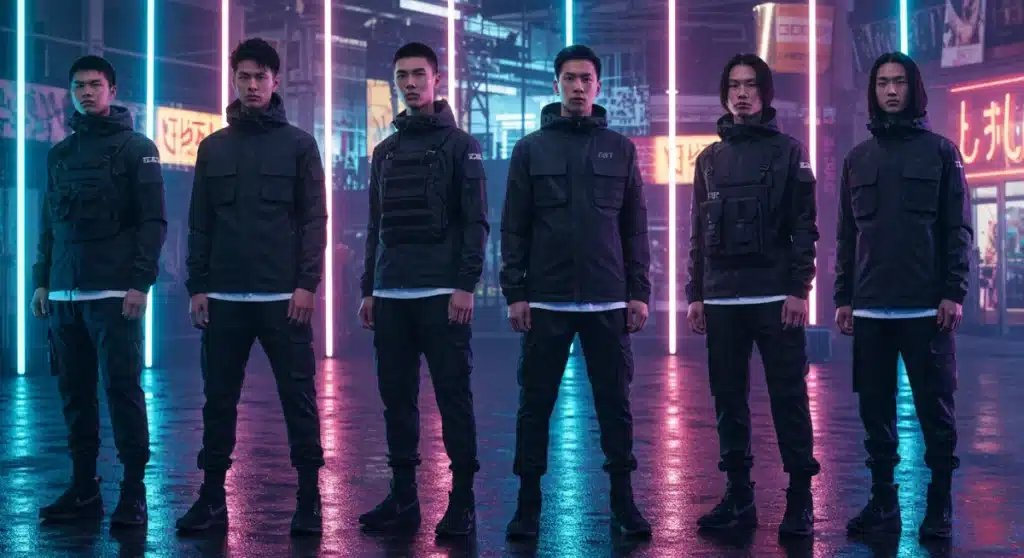
The meteoric rise of Techwear in Alternative Fashion is fundamentally rewriting the rules of the modern wardrobe. No longer just a niche aesthetic, this movement merges high-performance textiles with a dark, avant-garde edge that thrives in the concrete jungle.
This shift toward “utility-first” apparel prioritizes modularity and weather-resistance without sacrificing a sleek, futuristic silhouette.
As city landscapes become more demanding, your clothing is evolving into a functional tool designed for maximum mobility and environmental protection.
Our data-driven analysis identifies five pivotal shifts in garment engineering and tactical styling set to dominate 2026. Discover how these cutting-edge innovations are bridging the gap between high-tech outdoor gear and bold, underground self-expression.
Understanding the Core of Techwear: Function Meets Form
Techwear, at its essence, is about clothing designed with a focus on functionality, durability, and protection against the elements, without compromising on a distinctive aesthetic.
It leverages advanced textiles and innovative construction techniques to create garments that perform optimally in diverse urban conditions.
This design philosophy prioritizes user experience, integrating features like waterproofing, breathability, modularity, and ample storage. The goal is to equip the wearer for a dynamic lifestyle, blending seamlessly with the demands of city living while maintaining a visually striking presence.
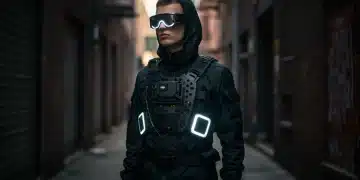
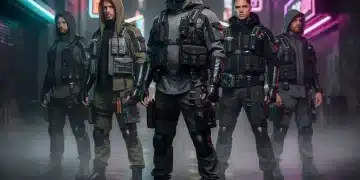
The aesthetic often leans towards a futuristic, military-inspired, or cyberpunk look, characterized by dark color palettes, sharp lines, and visible hardware.
This unique blend of utility and style positions techwear as a significant force in alternative fashion, appealing to those who value both form and function.
The Evolution of Urban Performance Wear
The concept of urban performance wear has evolved significantly, moving from purely athletic gear to a more integrated approach that considers daily urban challenges.
This evolution is central to the appeal of Techwear in Alternative Fashion, addressing the need for clothing that can adapt to rapid changes in weather and activity.
Early iterations of performance wear focused primarily on sports, but techwear expands this utility to everyday life, offering solutions for commuting, navigating crowded spaces, and enduring unpredictable weather.
This shift reflects a broader cultural desire for practicality and efficiency in personal style.
The integration of smart fabrics and ergonomic designs ensures that garments are not only protective but also comfortable and conducive to movement.
This holistic approach to clothing design marks a new era for urban dwellers seeking optimal performance from their wardrobe.
From Subculture to Mainstream Influence
- Origin: Deep roots in military, outdoor, and cyberpunk subcultures.
- Growth: Gaining traction through niche communities and online platforms.
- Impact: Influencing mainstream fashion with functional elements and sleek designs.
What began as a niche interest within specific subcultures has steadily permeated broader fashion consciousness, demonstrating its versatility and enduring appeal. The influence of techwear is now visible in mainstream collections, albeit often in a more diluted form.
This transition highlights the growing demand for clothing that offers more than just aesthetic appeal; consumers are increasingly seeking practical benefits. The unique blend of futuristic design and utilitarian features has proven to be a compelling proposition.
As designers continue to experiment with advanced materials and construction methods, techwear’s impact is only set to expand, further blurring the lines between alternative and conventional fashion.
Trend 1: Advanced Material Innovation and Smart Textiles
The foundation of techwear lies in its relentless pursuit of material innovation, pushing the boundaries of what fabrics can do. For 2026, we anticipate a significant surge in the adoption of smart textiles and even more advanced synthetic compositions.
These materials go beyond basic waterproofing and breathability, incorporating properties like self-cleaning capabilities, dynamic temperature regulation, and enhanced durability. The focus is on creating garments that actively respond to environmental changes and user needs.
From graphene-infused fabrics to phase-change materials, the textiles of tomorrow will offer unparalleled comfort and protection, making every piece of techwear a marvel of engineering.
This continuous innovation ensures that Techwear Alternative Fashion Trends remain at the forefront of functional design.
Graphene and Nanotechnology Integration
- Graphene: Ultra-lightweight, high strength, and excellent thermal conductivity.
- Nanotechnology: Enhanced water repellency, stain resistance, and anti-microbial properties.
- Future applications: Integrated sensors for health monitoring and environmental feedback.
The integration of cutting-edge technologies like graphene and nanotechnology into textiles is no longer a futuristic concept but a rapidly developing reality. These advancements are set to redefine the performance capabilities of techwear garments.
Imagine jackets that can detect changes in body temperature and adjust insulation accordingly, or pants that actively repel dirt and bacteria. Such innovations promise to elevate the wearer’s experience to unprecedented levels of comfort and convenience.
This focus on intelligent materials is a cornerstone of techwear’s appeal, offering practical solutions to everyday challenges while maintaining a sleek, modern aesthetic.
Trend 2: Modular and Convertible Garment Systems
Modularity is a defining characteristic of techwear, and for 2026, we expect to see even more sophisticated and seamlessly integrated modular systems. This trend emphasizes adaptability, allowing wearers to modify their outfits to suit varying conditions and activities.
Garments will feature detachable components such as hoods, sleeves, pockets, and even entire sections, transforming a single piece into multiple configurations. This not only enhances versatility but also promotes a minimalist approach to wardrobe management.
The ability to customize an outfit on the fly is crucial for urban performance, where conditions can change rapidly. This trend underscores the practical, problem-solving ethos inherent in Techwear Alternative Fashion Trends.
Versatile Design for Dynamic Urban Life
The true strength of modern modular design lies in its ability to adapt to shifting environments through detachable elements like hoods, sleeves, and specialized pockets that allow for on-the-go customization.
This flexibility is further enhanced by sophisticated layering systems, utilizing interlocking components that provide calibrated warmth and weather protection regardless of the conditions.
Beyond mere clothing, the aesthetic embraces multi-functional items that blur the line between apparel and gear, featuring backpacks that seamlessly convert into tactical vests or jackets that fold into compact carry bags.
The drive towards versatile and convertible designs is a direct response to the multifaceted demands of urban living. A single piece of clothing can now serve multiple purposes, reducing the need for an extensive wardrobe.
This approach also aligns with sustainable fashion principles, encouraging longevity and reducing consumption by offering more utility from fewer items. The clever engineering behind these modular systems makes them both practical and aesthetically engaging.
As urban environments become more complex, the demand for clothing that can adapt with ease will only grow, solidifying modularity as a key feature of future techwear.
Trend 3: Integrated Wearable Technology and Smart Features
The convergence of fashion and technology is accelerating, with wearable tech becoming an intrinsic part of techwear design. For 2026, we anticipate a deeper integration of smart features directly into garments, moving beyond simple accessories.
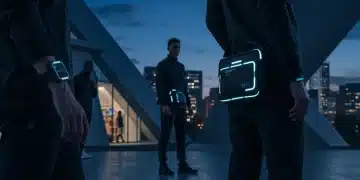
This includes embedded sensors for health monitoring, integrated lighting for visibility, and even discreet communication devices. The goal is to enhance the wearer’s interaction with their environment and provide real-time data for improved performance.
These smart features are designed to be intuitive and unobtrusive, seamlessly blending with the garment’s aesthetic while offering significant functional benefits.
Beyond Gadgets: Clothing as a Platform
- Embedded sensors: Monitoring vital signs, activity levels, and environmental data.
- Illumination: Integrated LED strips for enhanced visibility and safety in low light.
- Connectivity: Discreet communication modules and charging ports for devices.
The transition from external gadgets to integrated wearable technology marks a significant leap in techwear development. Clothing is no longer just a covering but an active platform for interaction and data collection.
This integration offers unprecedented levels of convenience and functionality, transforming how individuals engage with their urban surroundings. The emphasis is on seamless operation, ensuring that technology enhances rather than complicates the user experience.
As battery life improves and components shrink, the potential for truly intelligent garments will continue to expand, making techwear an increasingly indispensable part of a connected lifestyle.
Trend 4: Deconstructed Aesthetics and Utilitarian Minimalism
While techwear often embraces complex functionality, its aesthetic is increasingly leaning towards deconstructed forms and utilitarian minimalism. This trend for 2026 emphasizes clean lines, strategic layering, and a focus on essential elements, stripping away unnecessary embellishments.
The beauty lies in the exposed seams, functional zippers, and visible hardware that serve a purpose rather than mere decoration. This aesthetic communicates efficiency and precision, reflecting the garment’s underlying performance capabilities.
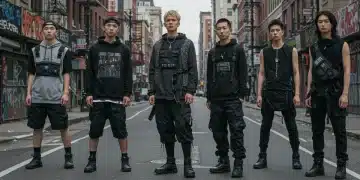
Color palettes remain predominantly dark and muted, allowing the textures and structural details of the fabric to take center stage. This minimalist approach enhances the versatility of techwear, making it easily integrated into various alternative fashion styles and reinforcing Techwear Alternative Fashion Trends.
The Art of Intentional Design
This aesthetic is defined by clean lines that prioritize a sharp silhouette and pure form over excessive or distracting detail. The look is anchored by functional hardware, where zippers, buckles, and straps serve as integral design elements rather than mere utility.
To complete the ensemble, strategic layering allows for the creation of dynamic, adaptable looks that provide maximum versatility with minimal bulk.
The embrace of deconstructed aesthetics is a conscious move to highlight the engineering and thoughtful design behind each piece of techwear. Every element serves a specific purpose, contributing to both the garment’s function and its visual appeal.
This approach resonates with a consumer base that values authenticity and practicality, moving away from overly ornate or decorative styles. The result is clothing that feels both modern and timeless, capable of standing up to the rigors of urban life.
Utilitarian minimalism in techwear is not about lack of detail, but rather about intentional detail, where every component contributes to a cohesive and high-performing whole.

Trend 5: Sustainable Practices and Ethical Production
As consumer awareness around environmental and social impact grows, sustainable practices and ethical production are becoming non-negotiable for the future of techwear. For 2026, brands are increasingly prioritizing eco-friendly materials and transparent supply chains.
This includes the use of recycled synthetics, bio-based fabrics, and innovative closed-loop manufacturing processes that minimize waste. Ethical labor practices and fair wages are also central to this evolving trend.
The techwear community, known for its forward-thinking approach, is actively seeking out brands that align with these values, ensuring that performance and style do not come at the expense of the planet or its people.
This commitment to responsibility is integral to the future of Techwear Alternative Fashion Trends.
Eco-Conscious Innovation
- Recycled materials: Utilizing post-consumer plastics and textile waste in new fabrics.
- Bio-based alternatives: Exploring plant-derived polymers for sustainable performance.
- Circular economy: Designing for durability, repairability, and end-of-life recycling.
The push for sustainability within techwear is not just a marketing tactic but a fundamental shift in design and production philosophy. Brands are investing in research and development to create high-performance materials with a reduced environmental footprint.
From water-saving dyeing techniques to manufacturing processes that eliminate harmful chemicals, every stage of production is being re-evaluated. This holistic approach aims to create techwear that is as kind to the planet as it is functional for the wearer.
Consumers are increasingly demanding transparency and accountability from brands, and those in the techwear space are responding by embedding sustainable practices into their core identity, shaping a more responsible future for alternative fashion.
The Broader Impact of Techwear on Urban Lifestyle
The influence of Techwear in Alternative Fashion extends beyond mere clothing, subtly reshaping aspects of urban lifestyle and culture.
It advocates for a more prepared and adaptable approach to daily living, encouraging individuals to embrace functionality in all aspects.
This movement fosters a sense of resilience and self-sufficiency, equipping wearers not just with garments but with a mindset of readiness.
It promotes an active engagement with the urban environment, transforming daily commutes and activities into opportunities for performance.
Techwear also inspires innovation in other areas, from urban planning to product design, as its principles of efficiency and adaptability resonate across various industries. Its aesthetic influence is now visible in architecture, vehicle design, and even digital interfaces.
Navigating the Future: Investment in Innovation
The continuous growth and evolution of techwear are heavily reliant on ongoing investment in research and development. Brands and material scientists are constantly pushing the boundaries of what is possible, creating new fabrics and construction methods.
This commitment to innovation ensures that techwear remains at the cutting edge of functional fashion, offering solutions that were once considered science fiction. The competitive landscape drives a rapid pace of development, benefiting consumers with ever-improving products.
From advanced textile coatings to novel garment construction techniques, the future of techwear promises even greater levels of performance, comfort, and durability. This relentless pursuit of improvement is a hallmark of the movement.
Challenges and Opportunities Ahead
- Cost of innovation: High R&D expenses impacting product pricing.
- Market adoption: Balancing niche appeal with broader consumer acceptance.
- Sustainability hurdles: Scaling eco-friendly production without compromising performance.
While the future of techwear appears bright, it is not without its challenges. The high cost associated with advanced material research and ethical production can translate into higher retail prices, potentially limiting accessibility.
Brands must also navigate the delicate balance between maintaining their distinctive alternative aesthetic and appealing to a wider audience. The key will be to innovate while staying true to the core values of functionality and cutting-edge design.
Overcoming these hurdles will be crucial for Techwear in Alternative Fashion to solidify its position as a dominant force in both alternative and mainstream fashion landscapes.
| Key Trend | Description |
|---|---|
| Advanced Materials | Integration of smart textiles like graphene for enhanced functionality. |
| Modular Design | Garments with detachable components for versatile urban performance. |
| Integrated Tech | Wearable technology seamlessly embedded for smart features. |
| Sustainable Practices | Focus on eco-friendly materials and ethical production methods. |
Frequently Asked Questions About Techwear Trends
Techwear in alternative fashion is characterized by its blend of high-performance functionality, innovative materials, and a distinct utilitarian or futuristic aesthetic. It prioritizes practical features like weather resistance, breathability, and modularity, designed for urban performance and a dynamic lifestyle. The style often uses dark, muted color palettes and sharp, clean lines.
Advanced materials are crucial because they enhance the core functionality of techwear, offering properties like superior waterproofing, breathability, durability, and even self-cleaning capabilities. These innovations, such as graphene or nanotechnology integration, allow garments to adapt to varying urban conditions and provide optimal comfort and protection for the wearer.
Modular designs benefit urban dwellers by offering unparalleled versatility and adaptability. Detachable components, like hoods or pockets, allow wearers to customize their outfits for different weather conditions or activities on the go. This reduces the need for multiple garments and promotes a more efficient, minimalist approach to urban wardrobe management.
Sustainability is becoming a fundamental aspect of future techwear, driven by increasing consumer awareness. Brands are adopting eco-friendly materials like recycled synthetics and bio-based fabrics, alongside ethical production practices. This commitment aims to minimize environmental impact and ensure that high-performance fashion aligns with responsible consumption, appealing to a conscious consumer base.
In 2026, integrated tech will transform techwear by embedding smart features directly into garments, moving beyond external gadgets. This includes sensors for health monitoring, integrated lighting for safety, and discreet communication devices. The aim is to enhance the wearer’s interaction with their environment and provide functional benefits seamlessly, making clothing an active platform.
Looking Ahead: The Enduring Influence of Techwear
The continued ascent of Techwear Alternative Fashion Trends signifies a profound shift in consumer expectations, demanding clothing that offers more than just aesthetic appeal.
This movement embodies a future where fashion and function are inextricably linked, driven by innovation and a conscious approach to design.
As we move towards 2026, the trends outlined will not only define the techwear aesthetic but also influence broader fashion landscapes, pushing boundaries in material science, wearable technology, and sustainable practices.
DarkyNew will continue to monitor these developments, providing insights into how these innovations shape our urban performance and lifestyle.
The impact of techwear is a testament to the power of purposeful design, demonstrating that style and utility can coexist harmoniously, creating garments that are truly built for the future.
This evolution ensures that urban dwellers are equipped for whatever challenges their dynamic environments present.