Impactful Style: 3 Alternative Fashion Movements Driving Social Change in US by 2026
Advertisements
What you wear is quickly becoming one of the most potent forms of grassroots activism across the United States. Today, Alternative Fashion is breaking out of underground subcultures to fundamentally disrupt the multi-billion-dollar mainstream garment market.
These expressive style choices are no longer just about looking different, they are about demanding a fairer world.
This creative rebellion transcends pure aesthetics, morphing into a powerful engine for sweeping cultural and environmental progress. Avant-garde style communities are aggressively forcing the textile world to reckon with radical inclusivity, gender fluidity, and circular production.
By upending traditional consumer habits, these eco-conscious style tribes are proving that closets can spark massive political and ethical updates.
This deep dive spotlights the trailblazing aesthetics completely rewriting the rules of the American wardrobe. We break down the exact ways non-traditional dressing is successfully fighting corporate exploitation and climate neglect.
The Rise of Conscious Consumerism and Sustainable Fashion
Conscious consumerism, fueled by growing environmental awareness, is a foundational element in the rise of alternative fashion movements.
Consumers are increasingly scrutinizing supply chains and demanding ethical practices from brands. This shift directly contributes to the increasing visibility and influence of sustainable fashion practices.
This movement champions garments made with environmentally friendly materials, ethical labor practices, and reduced waste.
The goal is to minimize the ecological footprint of the fashion industry, which is notoriously one of the largest polluters globally. It represents a direct counter-narrative to fast fashion’s disposability.
Brands and independent designers adopting these principles are seeing increased support, demonstrating a tangible shift in consumer priorities.
This momentum ensures that Alternative Fashion will continue to be shaped by environmental concerns.
Upcycling and Repurposing: A Creative Solution
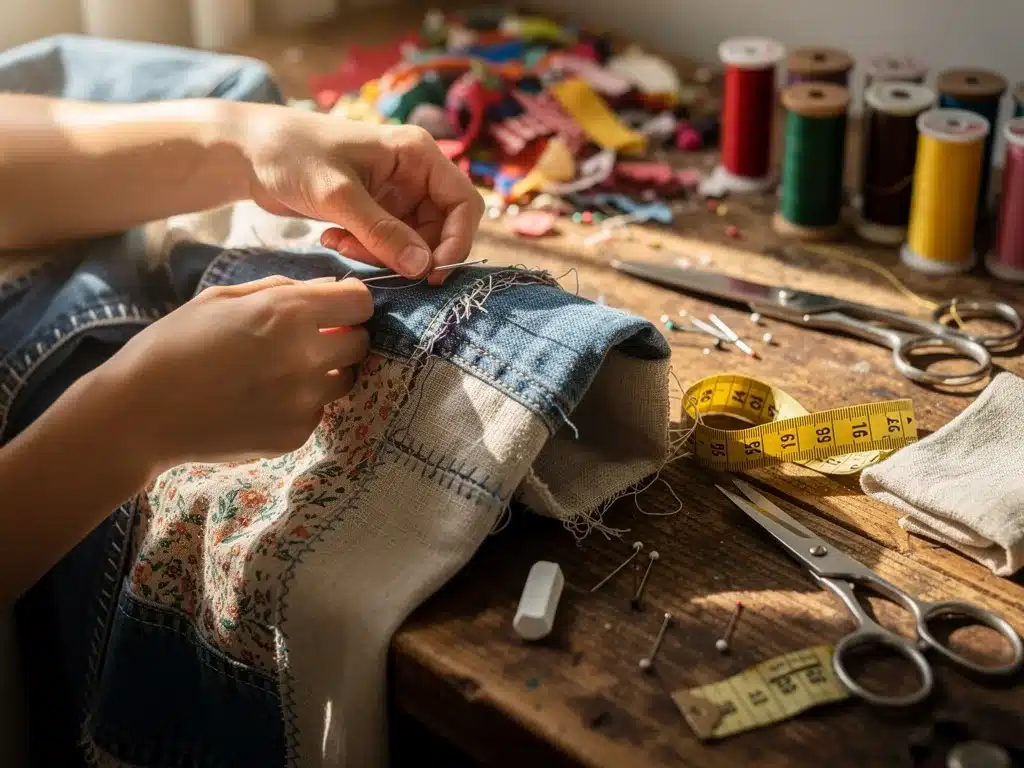
Upcycling and repurposing existing garments and materials offer innovative solutions to textile waste. This approach transforms discarded items into new, higher-value products, extending their lifecycle and reducing landfill burden.
Designers are leveraging creativity to make unique pieces, attracting a niche but growing market.
This sub-movement within sustainable fashion emphasizes individuality and resourcefulness, moving away from mass-produced uniformity.
It fosters a sense of community among creators and consumers who value craftsmanship and environmental responsibility. The aesthetic often celebrates imperfections and the story behind each piece.
- Reduces textile waste by giving old materials new life.
- Promotes unique, one-of-a-kind fashion pieces.
- Encourages local production and small businesses.
Ethical Sourcing and Production Transparency
Ethical sourcing focuses on ensuring that materials are obtained without exploiting workers or harming the environment.
This includes fair wages, safe working conditions, and sustainable agricultural practices for natural fibers. Transparency in the supply chain allows consumers to make informed choices.
Brands that prioritize ethical sourcing often engage in direct trade with artisans and farmers, ensuring fair compensation and preserving traditional craft techniques.
This commitment builds trust with consumers who are increasingly wary of greenwashing. It’s a critical component of truly impactful style.
Consumers are actively seeking out brands that provide clear information about their production processes.
This demand for transparency is pushing conventional brands to re-evaluate their practices. The collective pressure from these conscious consumers is a key factor in driving systemic change.
Gender-Neutral Fashion: Breaking Down Traditional Barriers
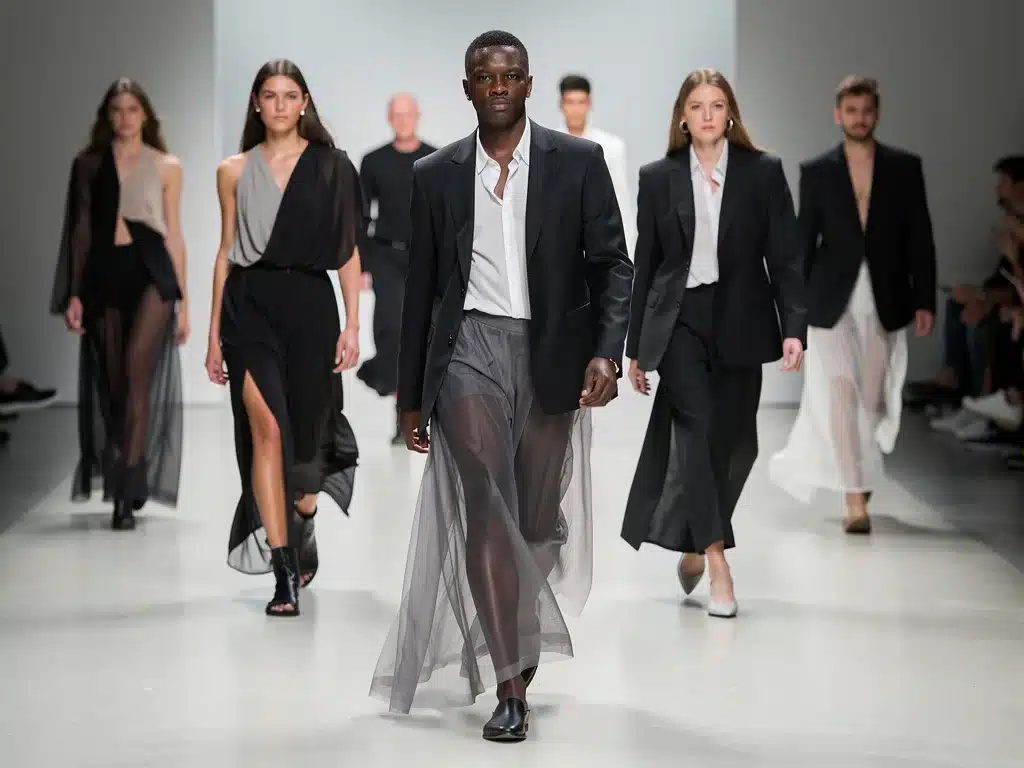
Gender-neutral fashion is dismantling traditional sartorial distinctions, offering clothing lines that defy binary gender norms.
This movement prioritizes comfort, versatility, and personal expression over prescribed gender roles in clothing. It caters to a diverse audience seeking apparel that reflects their identity without limitation.
This approach moves beyond simply offering oversized clothing; it involves thoughtful design that considers fit, silhouette, and aesthetic appeal for all body types.
It challenges the societal conditioning that dictates what men and women “should” wear, promoting a more fluid understanding of personal style. The impact extends beyond fashion, influencing broader conversations about gender.
Major retailers and luxury brands are increasingly incorporating gender-neutral collections, signaling a mainstream acceptance of this alternative fashion movement. This growing presence highlights its significant role in Alternative Fashion.
Fluid Designs and Inclusive Sizing
Fluid designs are characterized by silhouettes and cuts that are not specific to typical male or female body shapes.
These designs often feature relaxed fits, adaptable closures, and versatile pieces that can be styled in multiple ways. The focus is on the garment’s aesthetic and how it makes the wearer feel, rather than their assigned gender.
Inclusive sizing accompanies this trend, ensuring that clothing is available and flattering for a wider range of body dimensions.
This commitment to accessibility is crucial for truly breaking down barriers and making fashion a more welcoming space for everyone. It directly addresses historical exclusions in the industry.
- Offers versatile clothing options for all individuals.
- Challenges traditional gender norms in fashion.
- Promotes body positivity and self-acceptance.
Challenging Societal Norms Through Expression
The embrace of gender-neutral fashion is a powerful form of social commentary and activism. It allows individuals to express their identity authentically, challenging rigid societal expectations about gender presentation.
This visual defiance contributes to broader dialogues about identity, acceptance, and diversity.
By normalizing non-binary expressions through clothing, this movement helps to destigmatize gender fluidity and create more inclusive public spaces.
It educates and influences public perception, encouraging a more open-minded approach to personal identity. This makes it a critical force for social progress.
The visibility of gender-neutral fashion in media and popular culture plays a significant role in its impact.
Celebrities and influencers adopting these styles amplify the message, further reinforcing its acceptance and reach. This collective effort is reshaping cultural norms around gender and fashion.
Activist Fashion: Wearable Statements for Change
Activist fashion utilizes clothing as a medium for social and political commentary, transforming garments into wearable statements.
This movement is characterized by designs that directly address pressing social issues, from human rights to environmental justice. It empowers individuals to visibly align with causes they believe in.
These designs often feature overt messaging, protest art, or symbols that resonate with specific social movements.
It’s a direct and immediate way for individuals to participate in advocacy, sparking conversations and raising awareness. This form of expression extends the reach of activism beyond traditional protest spaces.
The rise of social media has significantly amplified the reach of activist fashion, allowing messages to spread globally and inspire collective action.
This digital leverage enhances its role in Alternative Fashion, making it a potent tool for advocacy.
Protest Wear and Political Statements
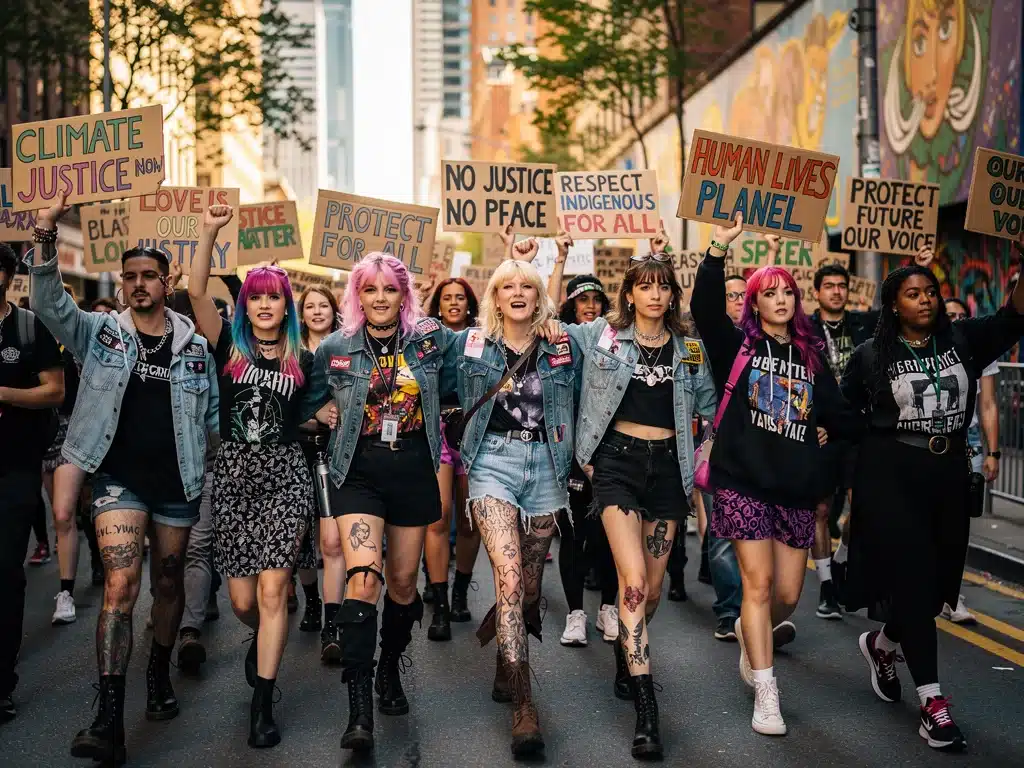
Protest wear encompasses clothing designed specifically for demonstrations and rallies, often featuring bold slogans and iconic imagery.
These garments serve to unify participants and communicate shared messages to the public and authorities. They are a visual representation of collective dissent and solidarity.
Beyond organized protests, political statements embedded in everyday fashion allow individuals to carry their convictions into diverse settings.
This subtle yet persistent form of activism keeps social issues in public consciousness. It demonstrates that personal style can be deeply intertwined with political identity.
- Communicates social and political messages visually.
- Unifies participants in social movements.
- Sparks dialogue and raises public awareness.
Supporting Causes Through Fashion Collaborations
Fashion brands and designers are increasingly collaborating with non-profit organizations and social causes to create collections that raise funds and awareness.
A portion of sales often goes directly to support these initiatives, providing tangible financial backing for important work. These collaborations lend credibility and reach to the causes.
These partnerships leverage the cultural influence of fashion to bring attention to critical issues, engaging a broader audience that might not otherwise be exposed.
They demonstrate how commerce can be a force for good, aligning profit with purpose. It’s a strategic way to combine consumer interest with social responsibility.
Examples range from limited-edition drops supporting environmental conservation to ongoing lines advocating for mental health awareness.
These initiatives are not just about selling clothes; they are about fostering a sense of collective responsibility. This trend is a testament to the evolving nature of impactful style.
The Intersection of Technology and Alternative Fashion
Technology is playing a crucial role in accelerating the impact of alternative fashion movements. From innovative material development to digital platforms for community building, tech advancements are enabling these movements to grow and reach wider audiences.
This integration creates new possibilities for design, production, and distribution.
Advanced manufacturing techniques, such as 3D printing and laser cutting, allow for more sustainable and customizable production methods.
These technologies reduce waste and enable small-batch production, supporting independent designers and ethical practices. They are making niche fashion more accessible and scalable.
Digital platforms, including social media and e-commerce sites, provide unparalleled opportunities for alternative fashion movements to connect with consumers directly.
This bypasses traditional gatekeepers, fostering a more democratic and diverse fashion landscape. The technological backbone is essential for Alternative Fashion.
Digital Communities and Global Reach
Online communities centered around alternative fashion movements have fostered a sense of belonging and shared purpose among enthusiasts.
These digital spaces allow for the exchange of ideas, inspiration, and support, transcending geographical boundaries. They are vital for the growth and sustained influence of these styles.
Social media platforms are particularly instrumental in showcasing diverse styles and promoting emerging designers.
Hashtags and viral content can quickly turn a niche trend into a widespread phenomenon, influencing mainstream fashion and cultural discourse. The global reach of these platforms accelerates social change.
Through these digital avenues, individuals discover new ways to express themselves and connect with like-minded people.
This sense of community strengthens the movements, making them more resilient and impactful. The digital realm is an undeniable catalyst for their continued expansion.
Economic and Cultural Impact on the US Market
The economic and cultural impact of these alternative fashion movements on the US market is becoming increasingly evident.
They are not merely niche segments but are actively reshaping consumer demand and industry practices. This shift is prompting established brands to adapt or risk losing relevance.
Economically, these movements are fostering the growth of small businesses, independent designers, and local production.
This creates new job opportunities and supports diverse entrepreneurial ventures, contributing to a more distributed and ethical economic model. The market is diversifying beyond traditional fashion powerhouses.
Culturally, they are challenging the homogeneity often associated with mainstream fashion, promoting diversity in aesthetics, body types, and identities. This cultural enrichment reflects a more inclusive vision of American society. The influence of Alternative Fashion is profound and far-reaching.
Shifting Consumer Behavior and Brand Adaptation
Consumer behavior is undergoing a significant transformation, with a growing preference for brands that align with their values.
This includes a willingness to pay more for ethically produced goods and a demand for greater transparency. Brands that fail to adapt to these new expectations risk alienating a key demographic.
In response, many mainstream fashion brands are either launching their own sustainable or gender-neutral lines or acquiring smaller, ethically focused companies.
This adaptation is a direct result of market pressure from alternative fashion movements. It demonstrates their power to influence corporate strategy.
The shift is not just about product offerings but also about brand messaging and corporate responsibility. Consumers expect brands to take a stance on social and environmental issues.
This evolving dynamic underscores the significant market influence of these impactful style movements.
Future Projections: What to Expect by 2026 and Beyond
Looking ahead to 2026 and beyond, the trajectory for these alternative fashion movements points towards continued expansion and deeper integration into mainstream culture.
Their foundational principles of sustainability, inclusivity, and activism are becoming non-negotiable for a growing segment of the population. This indicates a sustained period of influence.
We can anticipate further innovation in sustainable materials and production technologies, making ethical fashion more accessible and affordable.
The lines between alternative and mainstream fashion will likely blur even further, with more brands adopting these impactful practices. This convergence will redefine what constitutes modern style.
The role of Alternative Fashion will only intensify as younger generations, inherently more socially conscious, gain greater purchasing power. Their values will continue to shape market demands and drive significant shifts in the fashion industry.
Policy and Industry-Wide Changes
The growing influence of alternative fashion is also expected to translate into policy changes and industry-wide regulations.
Governments may introduce stricter environmental standards for textile production and mandate greater transparency in supply chains. This legislative pressure will accelerate the adoption of sustainable practices.
Industry bodies and trade associations are likely to develop new certifications and guidelines for ethical and sustainable fashion, providing clearer benchmarks for brands and consumers.
This standardization will help combat greenwashing and ensure genuine commitment to impactful practices. It’s a move towards greater accountability.
These systemic changes, driven by consumer demand and advocacy, will solidify the long-term impact of these movements.
They will help create a more responsible and equitable fashion ecosystem. The shift towards a more conscious industry is well underway, with alternative fashion leading the charge.
| Key Movement | Driving Force |
|---|---|
| Sustainable Fashion | Environmental consciousness and ethical production. |
| Gender-Neutral Fashion | Inclusivity, breaking gender norms, and self-expression. |
| Activist Fashion | Social and political commentary through wearable art. |
| Technological Integration | Enhancing reach, production, and community building. |
Frequently Asked Questions About Impactful Style
Impactful style in alternative fashion is characterized by its ability to drive social change through aesthetic choices and production methods. It encompasses movements like sustainable, gender-neutral, and activist fashion, all challenging conventional norms. These styles prioritize ethics, inclusivity, and conscious expression, moving beyond mere trends to influence societal values and behaviors significantly.
Sustainable fashion drives social change by advocating for ethical labor practices, reducing environmental impact, and promoting conscious consumerism. It pushes for transparency in supply chains, fair wages for garment workers, and the use of eco-friendly materials. This movement educates consumers and pressures the broader industry to adopt more responsible and planet-friendly production methods.
Gender-neutral fashion significantly impacts society by challenging traditional gender binaries and promoting inclusivity. It fosters an environment where individuals can express their identity authentically, free from conventional sartorial constraints. This movement normalizes gender fluidity, encourages broader acceptance of diverse identities, and influences cultural conversations about gender roles and self-expression, creating a more accepting society.
Activist fashion drives social change by transforming clothing into a powerful medium for social and political commentary. It allows individuals to wear their beliefs, raising awareness for various causes from human rights to environmental protection. By incorporating direct messages and symbols, activist fashion sparks conversations, unites communities, and amplifies calls for justice, making advocacy visible and personal.
By 2026, these alternative fashion movements are expected to further integrate into mainstream US culture, driven by increased consumer demand for ethical and inclusive products. We will likely see more widespread adoption of sustainable practices by major brands, more diverse representation in fashion, and greater technological innovation in production. Their influence will continue to shape both consumer behavior and industry policy.
Perspectives and Future Implications
The ongoing evolution of Alternative Fashion signals a profound shift in consumer values and industry practices. This transformation is not a fleeting trend but a fundamental reorientation towards ethical consumption and authentic expression.
The continued growth of these movements will necessitate further adaptation from mainstream brands and retailers.
As these alternative styles gain broader acceptance and market share, their ability to influence policy and drive systemic changes within the fashion industry will only strengthen.
The emphasis on transparency, sustainability, and inclusivity will become standard, rather than exceptional. This trajectory promises a more responsible and diverse fashion landscape for the future.
Monitoring consumer engagement with these movements, innovative production techniques, and legislative developments will be crucial.
The collective impact suggests a future where fashion is inextricably linked to social progress, with Alternative Fashion leading the way in shaping a more conscious society.