From Concept to Closet: A Step-by-Step Guide to Launching Your Own Micro-Brand in Underground Fashion
Advertisements
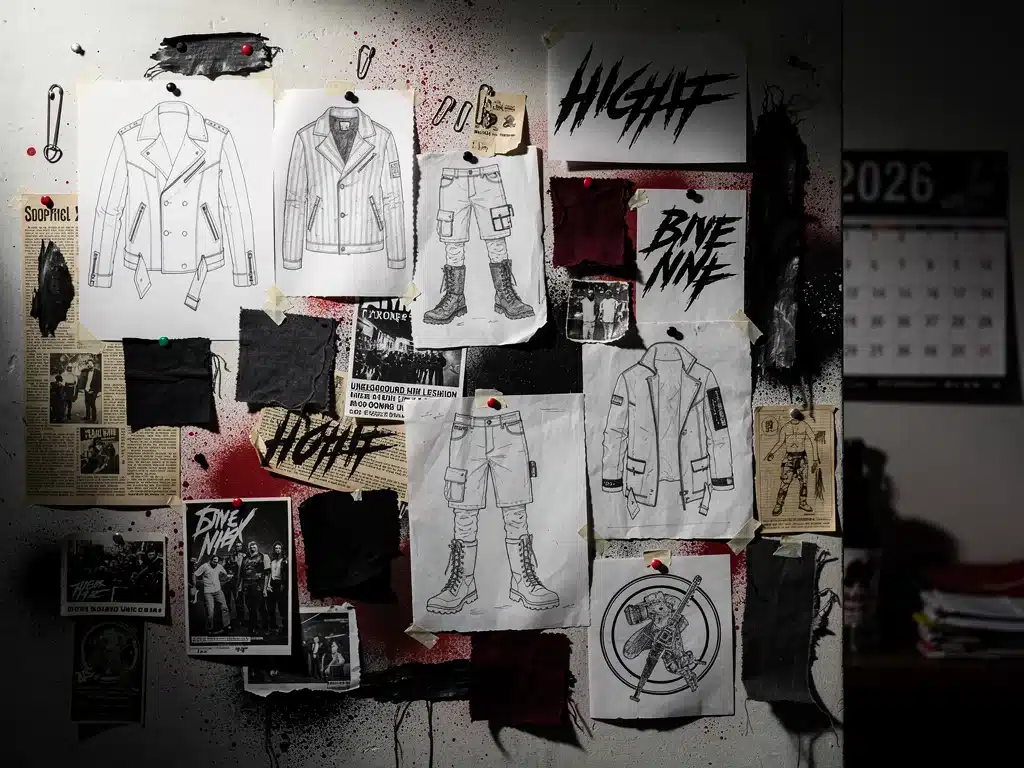
Ever dreamed of turning your sketches into a cult-following label? The shift toward Underground Fashion in 2026 has opened a massive backdoor for independent creators to bypass traditional retail gatekeepers entirely.
What started as subculture clothing has evolved into a powerhouse ecosystem where micro-brands thrive on scarcity and raw authenticity.
Independent designers across the United States are proving that you do not need millions in funding—just an undeniable aesthetic and a razor-sharp community focus.
Building your own niche apparel brand from concept to closet by the end of this year requires a strategic blueprint.
To win, you must master small-batch manufacturing, leverage community-driven drops, and outsmart the rapid shifts in alternative streetwear platforms.
Defining Your Underground Fashion Micro-Brand Identity
Establishing a distinct identity is the cornerstone of any successful underground fashion micro-brand. This phase involves deep introspection and market analysis to carve out a unique space that resonates with a specific, often underserved, audience.
It is about more than just aesthetics; it encompasses the brand’s values, narrative, and the subculture it aims to represent. A strong identity ensures that your brand stands out in a crowded market and connects authentically with its target demographic.
This foundational work dictates every subsequent decision, from design choices to marketing strategies, ensuring coherence and impact. A clear vision is paramount for launching your micro-brand effectively by the end of 2026.
Niche Identification and Market Research
Identifying your specific niche within underground fashion is crucial. This involves researching existing subcultures, understanding their style preferences, and pinpointing unmet demands. Successful micro-brands thrive on specificity, catering to a highly defined audience.
Thorough market research will reveal potential gaps and opportunities, allowing you to position your brand strategically.
Analyzing competitors and understanding their strengths and weaknesses provides valuable insights for differentiation and innovation, a key step in Underground Fashion.
- Analyze existing underground fashion brands and their offerings.
- Identify specific subcultures or aesthetics with unmet clothing needs.
- Conduct surveys or interviews with potential customers to gather insights.
- Research material trends and sustainable practices relevant to your niche.
Crafting Your Brand Story and Values
Your brand story is the narrative that connects your audience to your vision. It should articulate the inspiration behind your brand, its core philosophy, and what makes it unique. This story is often as important as the garments themselves in underground fashion.
Clearly defined brand values guide your business practices, from ethical sourcing to community engagement. These values should be authentic and consistently reflected in all aspects of your micro-brand, fostering loyalty and trust among your clientele.
Design and Product Development for Niche Appeal
The design and product development phase translates your brand identity into tangible garments and accessories. This is where creativity meets practicality, ensuring that your unique vision is realized in high-quality, wearable pieces that resonate with your target audience.
Attention to detail in this stage is critical, as underground fashion often values craftsmanship and originality. From initial sketches to final prototypes, each step must align with your brand’s aesthetic and functional requirements.
This iterative process allows for refinement and innovation, ensuring that the products launched by 2026 are compelling and well-received. It’s a central component of Underground Fashion.
Sketching, Prototyping, and Material Sourcing
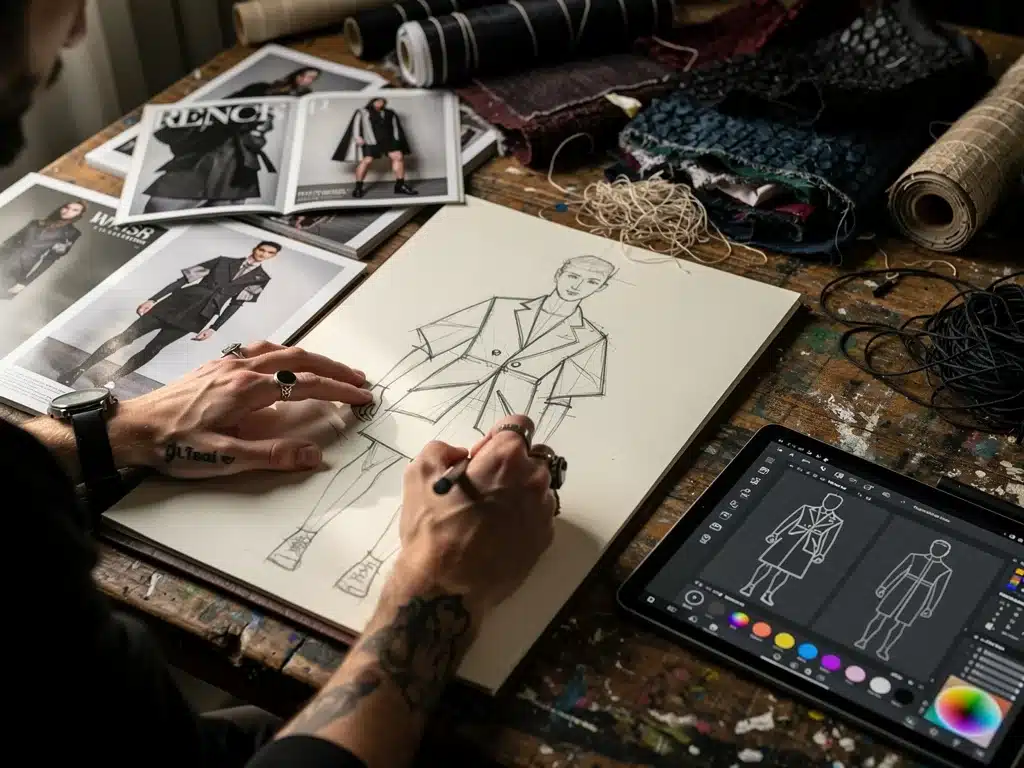
Begin with detailed sketches that capture the essence of your designs, translating your conceptual ideas into visual forms. These initial drawings serve as the blueprint for your collection, allowing for early feedback and adjustments.
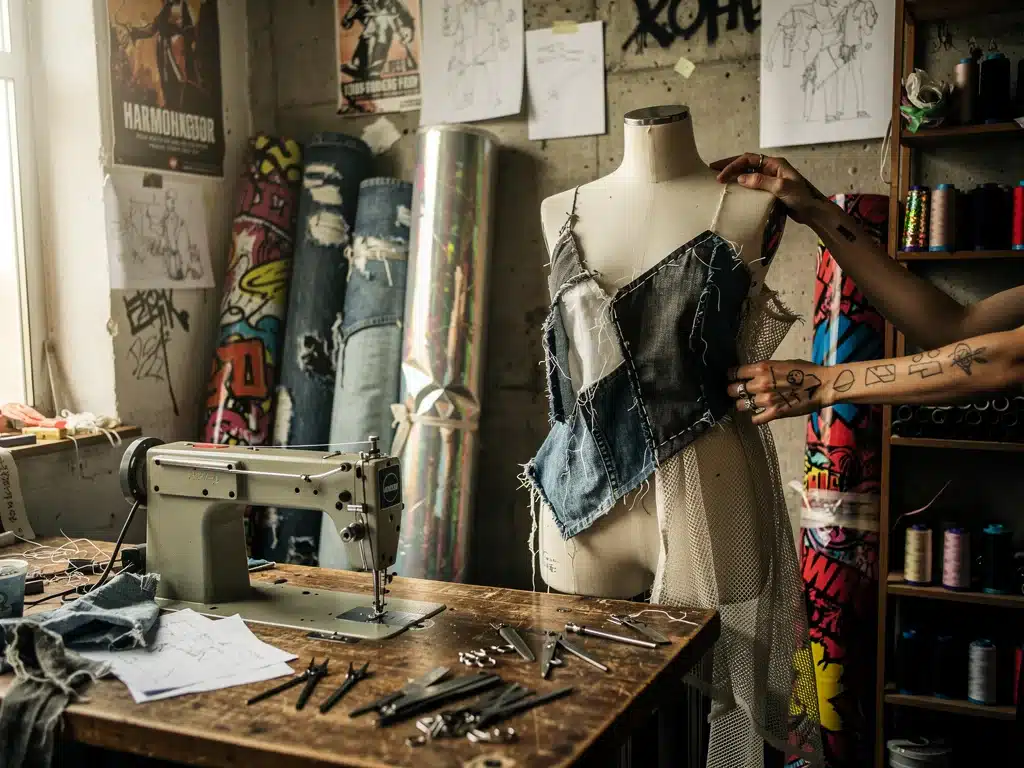
Prototyping involves creating physical samples of your designs, which are essential for assessing fit, construction, and overall aesthetic.
This hands-on process helps identify and resolve any design or manufacturing challenges before full-scale production, a vital aspect of Underground Fashion.
- Develop detailed technical drawings and specifications for each garment.
- Source unique or sustainable materials that align with your brand’s ethos.
- Create initial prototypes to test fit, comfort, and durability.
- Iterate on designs based on feedback and functional assessments.
Production Planning and Quality Control
Effective production planning is vital for meeting deadlines and maintaining quality standards. This includes selecting manufacturing partners, negotiating costs, and establishing clear communication channels.
For micro-brands, ethical and sustainable production practices are often a key selling point.
Implementing rigorous quality control measures throughout the production process ensures that every item meets your brand’s standards.
This commitment to quality builds trust with your customers and reinforces your brand’s reputation within the underground fashion community. This is a critical element in Underground Fashion.
Building Your Brand’s Online and Offline Presence
In today’s interconnected world, a strong brand presence is indispensable for an underground fashion micro-brand. This involves strategically utilizing both digital platforms and physical spaces to reach your target audience and cultivate a loyal community.
An integrated approach ensures consistent brand messaging and maximizes visibility within a niche market. From compelling social media content to engaging pop-up events, every touchpoint contributes to brand perception and customer engagement.
Effective presence building is crucial for the successful launch and sustained growth of your micro-brand by 2026, solidifying your position in the underground fashion scene. This holistic strategy is key to Underground Fashion.
Digital Marketing and Community Engagement
Developing a robust digital marketing strategy involves creating engaging content for social media platforms popular within underground subcultures.
This could include platforms like Instagram, TikTok, or even niche forums and online communities. Authenticity and direct interaction are highly valued.
Building an online community around your brand fosters loyalty and provides valuable feedback.
Regular engagement through comments, direct messages, and interactive content helps strengthen connections with your audience, making them feel part of your brand’s journey. This is essential for Underground Fashion.
- Develop a content calendar for social media platforms relevant to your niche.
- Engage with followers through comments, polls, and live sessions.
- Collaborate with influencers or artists within the underground scene.
- Utilize email marketing to nurture leads and announce new collections.
Pop-Up Shops and Collaborative Events
Physical presence through pop-up shops or collaborative events offers a unique opportunity for customers to experience your brand firsthand. These events create memorable interactions and allow for direct sales, fostering a deeper connection than online interactions alone.
Collaborating with other underground artists, musicians, or local businesses can expand your reach and introduce your brand to new audiences.
These partnerships provide mutual benefits and reinforce your brand’s position within the broader subculture, an important aspect of Underground Fashion.
Logistics, Sales Channels, and Customer Experience
Efficient logistics and well-chosen sales channels are critical for delivering your products to customers and ensuring a positive experience. For a micro-brand, streamlining these operations can significantly impact profitability and customer satisfaction.
From inventory management to shipping, every logistical detail must be carefully planned to avoid delays and maintain product integrity. The chosen sales platforms should align with your brand’s image and target audience preferences.
A seamless customer experience, from browsing to post-purchase support, builds trust and encourages repeat business, essential for any micro-brand launching by 2026. This focus on operational excellence is vital to Underground Fashion.
Inventory Management and Fulfillment
Implementing an effective inventory management system is crucial to avoid stockouts or overstocking, which can be detrimental to a micro-brand.
Accurate tracking of inventory ensures that you can meet demand without unnecessary waste or capital tie-up. This is a core part of Underground Fashion.
Efficient order fulfillment, whether handled in-house or outsourced, directly impacts customer satisfaction. Timely and accurate shipping, coupled with clear communication about order status, enhances the overall purchasing experience and builds brand loyalty.
- Choose an inventory tracking system suitable for your brand’s scale.
- Establish reliable shipping partners and clear delivery policies.
- Communicate order updates and tracking information proactively to customers.
- Plan for returns and exchanges with a clear, customer-friendly policy.
E-commerce Platforms and Niche Marketplaces
Selecting the right e-commerce platform is pivotal for reaching your online audience.
Platforms like Shopify or Squarespace offer robust tools for setting up an online store, but consider niche marketplaces or platforms frequented by your specific subculture for increased visibility. This is a key aspect of Underground Fashion.
Beyond your own website, exploring curated online marketplaces that cater to underground fashion can expose your brand to a pre-qualified audience.
These platforms often have built-in trust and a community eager for unique and authentic offerings, complementing your direct sales channels.
Financial Planning and Sustainable Growth Strategies
Sound financial planning is paramount for the longevity and sustainable growth of any micro-brand, especially in the dynamic underground fashion sector. This includes meticulous budgeting, pricing strategies, and securing adequate funding to support operations and expansion.
Understanding your costs, revenue streams, and profit margins is essential for making informed business decisions. A clear financial roadmap helps navigate challenges and capitalize on opportunities for growth.
Sustainable growth strategies focus on long-term viability, balancing profitability with ethical practices and brand integrity. This foresight is critical for an impactful launch of your micro-brand by 2026. This is a vital part of Underground Fashion.
Budgeting, Pricing, and Funding
Develop a detailed budget that covers all aspects of your micro-brand, from design and production to marketing and operational costs. Accurate budgeting helps in forecasting expenses and allocating resources effectively, preventing financial surprises.
Establishing a pricing strategy that reflects your brand’s value, production costs, and market positioning is crucial. Consider the perceived value of your unique designs within the underground fashion niche.
Explore funding options such as bootstrapping, crowdfunding, or small business loans to support your initial launch and subsequent growth. This is a key step in Underground Fashion.
Scaling and Future Expansion
Plan for future scalability from the outset, even if starting small. This involves considering how your production, marketing, and distribution can expand as your brand gains traction. Flexibility in your business model allows for adaptation to changing market demands.
Sustainable growth strategies prioritize ethical practices, environmental responsibility, and community engagement as your brand expands.
This approach not only aligns with the values often found in underground fashion but also builds a resilient and respected brand for the long term. This forward-thinking perspective is integral to Underground Fashion.
Legal and Operational Compliance for Micro-Brands
Navigating the legal and operational landscape is a critical, though often overlooked, aspect of launching an underground fashion micro-brand. Ensuring compliance protects your business, your intellectual property, and your customers.
From business registration to trademark protection, understanding and adhering to legal requirements is non-negotiable. This foundational work provides a stable and secure environment for your creative endeavors.
Proper operational compliance minimizes risks and builds a professional reputation, essential for long-term success by 2026. This meticulous attention to detail is part of Underground Fashion.
Business Registration and Intellectual Property
Registering your business legally is the first step, determining your business structure and ensuring compliance with local, state, and federal regulations. This provides the legal framework for all your operations. This is a foundational step in Underground Fashion.
Protecting your intellectual property, including your brand name, logo, and unique designs, is vital. Trademarking your brand and copyrighting original designs prevents infringement and safeguards your creative assets in a competitive market.
- Register your business with the appropriate governmental agencies.
- Secure trademarks for your brand name and logo.
- Understand copyright laws for your original designs.
- Consult with legal professionals for tailored advice on compliance.
Ethical Sourcing and Labor Practices
For many underground fashion brands, ethical sourcing and transparent labor practices are core values.
Ensuring that your materials are sourced responsibly and that your production partners adhere to fair labor standards builds trust and authenticity with your audience. This is a key part of Underground Fashion.
Communicate your commitment to ethical practices clearly to your customers. This transparency not only aligns with the values of many underground subcultures but also enhances your brand’s reputation and appeal in a conscious consumer market.
Launch Strategy and Post-Launch Analysis
The launch of your underground fashion micro-brand is a pivotal moment, requiring a meticulously planned strategy to maximize impact and generate initial buzz. This phase integrates all previous efforts into a cohesive market entry.
Beyond the initial launch, continuous analysis and adaptation are crucial for sustained success. Monitoring performance and gathering feedback allows for agile adjustments, ensuring your brand remains relevant and responsive to its audience.
A well-executed launch followed by thoughtful post-launch analysis sets the stage for long-term growth and establishes your micro-brand firmly by 2026. This strategic approach is fundamental to Underground Fashion.
Pre-Launch Hype and Event Planning
Generate anticipation for your launch through strategic pre-launch marketing campaigns. This could involve teaser content, collaborations, and exclusive previews to build excitement within your target community.
Leverage social media and email lists to create a sense of exclusivity. This is a critical element in Underground Fashion.
If applicable, plan a launch event, whether virtual or physical, that embodies your brand’s identity and provides an immersive experience.
A memorable launch can significantly boost initial sales and media coverage, establishing your brand’s presence effectively. This is a key aspect of Underground Fashion.
- Create a compelling pre-launch content strategy with teasers and sneak peeks.
- Collaborate with micro-influencers or artists for launch amplification.
- Plan a unique launch event that reflects your brand’s aesthetic.
- Offer exclusive early access or limited-edition items to generate buzz.
Performance Metrics and Feedback Loops
After launch, meticulously track key performance indicators (KPIs) such as website traffic, sales conversions, social media engagement, and customer acquisition costs.
These metrics provide objective data on your brand’s initial reception and areas for improvement. This is a vital part of Underground Fashion.
Establish clear feedback loops with your customers through surveys, reviews, and direct communication.
Actively listening to their insights allows you to refine your product offerings, marketing strategies, and overall customer experience, fostering continuous improvement and adaptation.
Navigating the Underground Fashion Landscape Post-Launch
Successfully launching an underground fashion micro-brand is only the beginning; sustained relevance and growth depend on continuous engagement and adaptation within its unique ecosystem.
The post-launch phase requires vigilance, creativity, and responsiveness to evolving trends and community dynamics.
Maintaining authenticity while exploring new avenues for collaboration and expansion is a delicate balance. Your brand’s ability to evolve without compromising its core identity will determine its long-term impact and influence.
This ongoing journey involves constant learning and strategic maneuvering to solidify your place in the underground fashion narrative by 2026. This is integral to Underground Fashion.
Staying Authentic and Relevant
The underground fashion scene values authenticity above all else. Continuously engage with the subcultures that inspire your brand, participate in relevant events, and listen to the evolving voices within these communities.
This ensures your designs and messaging remain true to your roots. This is a key aspect of Underground Fashion.
While staying authentic, it is also important to remain relevant. This involves subtly integrating new inspirations and technologies without straying from your brand’s core ethos. Striking this balance allows for innovation while preserving the integrity that attracts your audience.
Strategic Collaborations and Community Building
Post-launch collaborations can provide fresh perspectives and expand your brand’s reach within the underground scene.
Partnering with other niche brands, artists, or musicians can introduce your work to new, complementary audiences and foster creative synergy. This is a key part of Underground Fashion.
Continued community building, both online and offline, is vital for long-term success.
Hosting workshops, sponsoring local events, or creating exclusive content for your community strengthens bonds and reinforces your brand’s position as a genuine contributor to the underground fashion culture.
Frequently Asked Questions About Launching an Underground Fashion Micro-Brand
The initial step involves defining your brand’s unique identity and niche within the underground fashion scene. This includes researching subcultures, crafting a compelling brand story, and outlining your core values. This foundational work guides all subsequent creative and business decisions.
Authenticity is paramount in underground fashion. Consumers in these niches prioritize genuine connection, ethical practices, and unique expressions that resonate with their personal identities. Brands that maintain authenticity build stronger loyalty and credibility within their communities.
Key marketing channels include social media platforms popular within subcultures (e.g., Instagram, TikTok), niche online forums, and community events like pop-up shops or collaborations. Direct engagement and compelling visual content are essential for reaching the target audience effectively.
Sustainable growth is achieved through sound financial planning, ethical sourcing, and continuous adaptation. This involves meticulous budgeting, fair pricing, and a commitment to responsible production. Regular performance analysis and customer feedback loops also drive long-term viability.
Key legal considerations include business registration, protecting intellectual property (trademarks and copyrights for designs), and ensuring compliance with labor and ethical sourcing standards. Consulting legal professionals is advisable to navigate these complexities and safeguard the brand.
Perspectives for Underground Fashion Entrepreneurs
The journey Underground Fashion is multifaceted, demanding both creative vision and strategic execution. Entrepreneurs entering this space must prioritize authenticity, community engagement, and meticulous planning to carve out a distinctive presence.
The evolving landscape of underground fashion offers significant opportunities for brands that genuinely connect with their audience and uphold strong ethical principles.
Success hinges on a clear understanding of niche markets and a commitment to continuous adaptation.
As the deadline approaches for launching by 2026, those who embrace these principles will not only establish viable businesses but also contribute meaningfully to the rich tapestry of alternative fashion culture.
The future of underground fashion is in the hands of these innovative micro-brands.