Decoding Dark Academia: 3 Emerging Style Trends for 2026
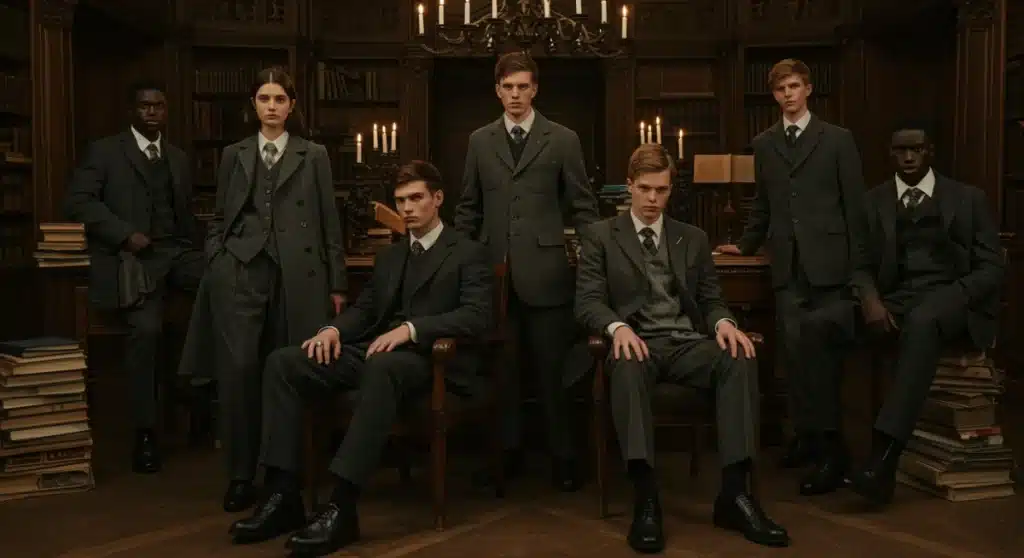
Decoding Dark Academia in 2026 means moving beyond dusty libraries into a sharper, more intentional era of scholarly style. The brooding intellectual look is evolving, trading rigid nostalgia for a more fluid and modern collegiate identity.
This year’s aesthetic shift prioritizes textured heritage fabrics and “vampiric” silhouettes over basic preppy staples. We are seeing a refined fusion of classic gothic undertones and sustainable, high-drama tailoring that redefines the traditional student archetype.
As these ivory-tower influences sweep through American fashion, staying relevant requires a keen eye for these emerging moods. Here are the three pivotal movements currently transforming the “learned” aesthetic into a bold, 2026-ready manifesto.
Decoding Dark Academia: The Evolving Aesthetic Landscape
The Dark Academia aesthetic, born from a reverence for classical education and a moody, intellectual sensibility, continues to evolve rapidly. What began as a niche online subculture has permeated mainstream fashion, adapting to contemporary influences.
In 2026, we are witnessing a significant transformation, moving beyond its initial, often Eurocentric, interpretations. This shift reflects a broader cultural dialogue about inclusivity and authenticity within subcultures.
Understanding these emerging style trends is crucial for anyone tracking underground aesthetics and their potential impact on wider fashion narratives in the United States.
The Rise of Neo-Gothic Intellectualism in Dark Academia
One of the most compelling Dark Academia 2026 Trends is Neo-Gothic Intellectualism, a darker, more dramatic interpretation of the classic aesthetic. This trend draws heavily from Victorian and Edwardian mourning wear, blending it with contemporary sharp tailoring.
Key elements include rich velvets, intricate lace, and heavy wools, often in shades of deep burgundy, forest green, and charcoal. Accessories play a vital role, featuring cameo brooches, antique lockets, and signet rings, adding layers of historical depth.
This sub-trend signifies a departure from the lighter, more preppy iterations of Dark Academia, embracing a more somber and introspective mood that resonates with current socio-cultural anxieties.
Textural Richness and Layering
The emphasis on texture is paramount in Neo-Gothic Intellectualism, with designers experimenting with contrasting fabrics. Think of velvet blazers paired with crisp cotton shirts and tweed trousers, creating a tactile and visually engaging silhouette.
Layering is not just about warmth; it’s about building complex narratives through clothing. Each piece tells a part of the story, from a delicate lace camisole under a heavy wool waistcoat to a flowing trench coat over a structured suit.
This intricate approach to dressing allows for personal expression within a defined aesthetic, making each outfit a unique statement of intellectual and artistic inclination.
Symbolic Adornments and Accessories
Accessories for Neo-Gothic Intellectualism are carefully chosen for their symbolic weight and vintage appeal. Spectacles with ornate frames, leather satchels, and fountain pens are essential, signaling a dedication to scholarly pursuits.
Jewelry often features dark stones like onyx or obsidian, or pieces with intricate filigree and historical motifs. These aren’t just decorative; they are extensions of the wearer’s intellectual persona, hinting at hidden knowledge and a fascination with the past.
The deliberate choice of these items elevates the aesthetic beyond mere clothing, transforming it into a complete, immersive lifestyle statement for those embracing Dark Academia 2026 Trends.
The Urban Scholar Reimagined: Blending Streetwear with Academia
Another significant shift within Dark Academia 2026 Trends is the emergence of the Urban Scholar Reimagined, a fusion of academic sensibilities with contemporary streetwear.
This trend reflects a pragmatic adaptation for urban environments, prioritizing comfort and functionality without sacrificing intellectual depth.
Oversized blazers, cargo pants, and utilitarian boots replace traditional tailored suits and polished loafers. The color palette remains subdued, but introduces more earthy tones and practical neutrals, suitable for city life.
This trend speaks to a generation that values comfort and versatility, demonstrating that scholarly pursuits can thrive outside the confines of traditional institutions, even within the context of Dark Academia 2026 Trends.
Functional Fabrics and Silhouettes
The Urban Scholar Reimagined favors fabrics that offer durability and ease of movement, such as ripstop, heavy cotton twills, and performance blends.
These materials are chosen for their resilience in urban settings, contrasting with the delicate nature of some traditional academic attire.
Silhouettes are relaxed and often oversized, providing a sense of nonchalant elegance. Think of wide-leg trousers, slouchy knitwear, and boxy jackets that allow for layering and adaptability, crucial for navigating diverse urban landscapes.
This functional approach ensures that the aesthetic is not only visually appealing but also practical for daily wear, making Dark Academia accessible to a broader audience.
Streetwear Integration and Subversive Details
The integration of streetwear elements is subtle but impactful, often seen in the choice of footwear, headwear, and outer layers. High-top sneakers, beanies, and technical parkas are incorporated, creating a juxtaposition with more formal academic pieces.
Subversive details, such as subtle graphic prints on t-shirts worn under blazers or unexpected cuts in classic garments, add an edgy touch. These elements hint at a rebellious spirit within the scholarly individual, challenging conventional notions of academic dress.
This blending creates a dynamic and contemporary expression of Dark Academia, reflecting a new generation of scholars who are equally at home in libraries and on city streets, defining Dark Academia 2026 Trends.

Eco-Conscious Classicism: Sustainable Practices in Dark Academia
The third major trend for Dark Academia 2026 Trends is Eco-Conscious Classicism, a response to growing environmental awareness within the fashion industry.
This trend emphasizes sustainability, ethical sourcing, and longevity in clothing choices, aligning academic values with ecological responsibility.
Vintage and secondhand pieces are highly prized, alongside garments made from recycled or organic materials. The focus is on quality over quantity, investing in timeless pieces that can be cherished for years, reducing fashion waste.
This shift represents a thoughtful approach to consumption, where intellectual curiosity extends to understanding the environmental impact of one’s wardrobe, a critical aspect of Dark Academia 2026 Trends.
Emphasis on Vintage and Upcycled Pieces
Sourcing vintage clothing is central to Eco-Conscious Classicism, allowing individuals to acquire unique pieces with history and character.
Thrift stores, antique markets, and online resale platforms become essential hunting grounds for blazers, tweed skirts, and classic knitwear.
Upcycling, where old garments are repurposed or redesigned, also plays a significant role. This creative process not only extends the life of clothing but also allows for personalized modifications, making each piece truly one-of-a-kind.
This dedication to pre-loved items aligns with the academic appreciation for history and the narrative embedded within objects, further enriching the Dark Academia aesthetic.
Ethical Sourcing and Sustainable Materials
For new garments, ethical sourcing and sustainable materials are non-negotiable. Consumers are increasingly seeking out brands that use organic cotton, recycled wool, Tencel, or linen, and those that adhere to fair labor practices.
Transparency in the supply chain is highly valued, with a preference for companies that provide clear information about their manufacturing processes and environmental footprint. This conscious consumerism reflects a deeper commitment to values beyond mere aesthetics.
The integration of these practices ensures that the pursuit of academic style does not come at the expense of ecological well-being, making Eco-Conscious Classicism a responsible and forward-thinking pillar of Dark Academia 2026 Trends.
Influential Designers and Subcultural Impact
Several designers and brands are at the forefront of shaping these Dark Academia 2026 Trends, often blurring the lines between high fashion and underground aesthetics. Their collections provide inspiration and direction for the broader subculture, solidifying these emerging styles.
Independent labels focusing on ethical production and vintage-inspired designs are gaining significant traction, often amplified through social media platforms. These smaller brands are particularly adept at capturing the nuanced spirit of each sub-trend.
The influence of these trends extends beyond clothing, impacting literature, art, and interior design, illustrating Dark Academia’s pervasive cultural reach.
Key Players in Dark Academia Fashion
Designers like Simone Rocha, with her romantic gothic aesthetic, and brands like Acne Studios, known for their deconstructed tailoring, are key inspirations. Their work provides a high-fashion interpretation of elements central to Dark Academia 2026 Trends.
Smaller, artisanal labels specializing in handmade knitwear, bespoke tailoring, or upcycled garments also play a crucial role. These independent creators often collaborate with artists and academics, further embedding the intellectual roots of the aesthetic.
Their collective contributions ensure that Dark Academia remains a dynamic and evolving fashion movement, continually reinterpreting classic themes for a contemporary audience.
Social Media as a Catalyst for Trends
Social media platforms continue to be pivotal in the dissemination and evolution of Dark Academia 2026 Trends. Instagram, TikTok, and Pinterest serve as visual mood boards, where enthusiasts share outfits, literary recommendations, and aesthetic inspirations.
Influencers and micro-communities dedicated to Dark Academia foster a sense of belonging and collective creativity. They often highlight emerging designers and sustainable practices, accelerating the adoption of new styles.
This digital landscape allows for rapid trend development and adaptation, making Dark Academia a highly responsive and participatory subculture.

The Cultural Significance of Dark Academia in 2026
The enduring popularity and evolution of Dark Academia in 2026 signal a deeper cultural resonance, particularly among younger demographics.
It offers an escape into a world of intellectual pursuit and aesthetic beauty, contrasting with the fast-paced, often superficial, digital age.
The emphasis on learning, introspection, and historical appreciation provides a sense of anchoring and purpose. This subculture allows individuals to curate an identity that values knowledge and artistic expression above fleeting trends.
As these new Dark Academia 2026 Trends emerge, they reflect a desire for authenticity and meaning, shaping not just fashion but also broader lifestyle choices.
Intellectualism as a Counter-Cultural Statement
In an era often criticized for its short attention spans and superficiality, embracing intellectualism through fashion becomes a subtle form of counter-culture. Dark Academia celebrates deep thought, reading, and academic rigor, presenting these as aspirational qualities.
Wearing clothing that evokes a sense of history and scholarly dedication can be seen as a quiet rebellion against mass-produced, disposable fashion. It’s a statement that values enduring knowledge and craftsmanship over fleeting consumerism.
This underlying philosophy gives Dark Academia a profound cultural weight, transforming it from a mere style into a movement of thoughtful engagement.
Community and Shared Values
The Dark Academia community, both online and offline, thrives on shared values and mutual appreciation for literature, art, and history. This collective identity reinforces the aesthetic and encourages its evolution, including Dark Academia.
Discussions about classic texts, ethical consumption, and personal growth are integral to the subculture, creating a supportive environment for intellectual exploration. This sense of belonging is a powerful draw for many adherents.
The communal aspect ensures that Dark Academia remains vibrant and relevant, continuously adapting to new influences while retaining its core principles.
| Key Trend | Brief Description |
|---|---|
| Neo-Gothic Intellectualism | Darker, dramatic aesthetic with Victorian influences, rich textures, and symbolic accessories. |
| Urban Scholar Reimagined | Blends classic academic style with streetwear, focusing on comfort, functionality, and subtle subversion. |
| Eco-Conscious Classicism | Emphasizes sustainability, ethical sourcing, and vintage pieces, aligning academic values with ecological responsibility. |
| Subcultural Impact | These trends influence broader cultural dialogues, fostering community and a counter-cultural appreciation for intellectualism. |
Frequently Asked Questions About Dark Academia 2026 Trends
Neo-Gothic Intellectualism is characterized by its darker color palette, rich textures like velvet and lace, and use of antique-inspired accessories. It draws from Victorian aesthetics, creating a more somber and dramatic scholarly look, reflecting evolving Dark Academia.
The Urban Scholar Reimagined trend integrates streetwear elements like oversized silhouettes, utilitarian fabrics, and comfortable footwear. It prioritizes practicality and comfort for urban living while maintaining an intellectual aesthetic, a key aspect of Dark Academia 2026 Trends.
Sustainability is central to Eco-Conscious Classicism, emphasizing vintage, secondhand, and ethically sourced garments. It promotes thoughtful consumption and a reduced environmental footprint, aligning academic values with ecological responsibility in Dark Academia.
Yes, these trends are highly accessible. The emphasis on thrifted items, upcycling, and versatile pieces means individuals can participate regardless of budget. The community actively encourages creative and personal interpretations of the aesthetic, making Dark Academia 2026 Trends inclusive.
Social media platforms like Instagram and TikTok are crucial for sharing inspiration, showcasing outfits, and fostering community. They accelerate the adoption of new styles and allow for direct engagement with designers and fellow enthusiasts, shaping Dark Academia quickly.
Looking Ahead: The Future of Dark Academia
The evolution of Dark Academia, particularly with the emergence of these Dark Academia 2026 Trends, indicates a robust future for this aesthetic. Its adaptability and core values of intellectualism and introspection resonate deeply with a generation seeking meaning and authenticity.
As these trends continue to develop, they will undoubtedly influence broader fashion narratives, pushing boundaries and inspiring new forms of creative expression.
Dark Academia remains a significant force in shaping US underground aesthetics, promising continued innovation and thoughtful engagement.
Monitoring these developments offers insight into the cultural shifts that drive fashion forward, reaffirming the subculture’s enduring impact and relevance.