Can DIY Basements Survive Sound Ordinance Shifts? 3 Legal Workarounds Keeping Collective Spaces Open
Advertisements
Transforming a damp cellar into a thriving underground music venue is the ultimate independent dream. But across the United States, stricter noise regulations are threatening to pull the plug on these creative hubs overnight.
If you run or frequent DIY basements, sound ordinances don't have to mean game over for your scene. While local noise enforcement is tightening its grip, grassroots music spaces are finding clever ways to adapt without compromising their identity.
Navigating municipal codes may feel like a buzzkill, but staying open is entirely possible with the right approach. Here are three legal strategies keeping underground venues alive and loud.
Understanding the Shifting Sound Ordinance Landscape
Local municipalities are increasingly updating and enforcing sound ordinances, often in response to residential complaints and urban development. These shifts directly impact how and when DIY basement venues can operate, creating a complex regulatory environment.
The new regulations typically specify permissible decibel levels, operating hours, and enforcement mechanisms, with penalties ranging from fines to forced closures. Owners and organizers must proactively engage with these changes to avoid legal repercussions.
For many DIY spaces, these ordinances represent a significant existential threat, requiring innovative solutions to maintain their cultural contributions. The core issue revolves around balancing residential peace with the need for vibrant community spaces.
The Rise of Noise Complaints and Regulatory Scrutiny
As urban areas densify and residential zones expand closer to traditionally industrial or commercial districts, noise complaints have surged. This proximity often leads to residents demanding stricter enforcement of existing sound ordinances or the creation of new, more restrictive ones.
City councils and local governing bodies are responding to these pressures, often without fully understanding the cultural and economic contributions of DIY venues. This lack of nuanced understanding can result in blanket regulations that disproportionately affect small, independent spaces.
Consequently, Can DIY Basements Survive Sound Ordinance Shifts? becomes a pressing question for artists and community organizers. The increased scrutiny means venues must demonstrate proactive compliance rather than react to violations.
Variations in Local Sound Ordinances
Sound ordinances are not uniform across the United States; they vary significantly from city to city and even neighborhood to neighborhood. These localized differences mean that what is permissible in one jurisdiction may be strictly prohibited in another.
Venue operators must conduct thorough research into their specific local regulations, including zoning laws and any special permits required for public assembly or entertainment. Ignorance of the law is rarely an acceptable defense.
Understanding these nuances is the first critical step in developing a robust legal strategy. A one-size-fits-all approach will almost certainly fail when addressing the complex issue of whether Can DIY Basements Survive Sound Ordinance Shifts?.
Legal Workaround 1: Proactive Noise Mitigation and Soundproofing
One of the most effective ways for DIY basements to comply with sound ordinances is through comprehensive noise mitigation and professional soundproofing. Investing in these measures can drastically reduce sound leakage, addressing the root cause of complaints.
This strategy involves more than just hanging blankets; it requires a scientific approach to acoustic treatment, targeting both airborne and structural noise. Proper implementation can demonstrate a commitment to being a good neighbor and responsible community member.
By proactively controlling sound, venues can often avoid triggering noise complaints and subsequent legal actions. This preventative measure is fundamental to ensuring Can DIY Basements Survive Sound Ordinance Shifts?.
Implementing Advanced Acoustic Treatments
Advanced acoustic treatments go beyond basic sound absorption to include structural modifications designed to prevent sound transmission. This can involve constructing room-within-a-room designs, using mass-loaded vinyl, and sealing all cracks and gaps.
Employing professional acoustic consultants can provide tailored solutions that are both effective and compliant with local building codes. Their expertise ensures that investments in soundproofing yield optimal results, directly impacting compliance.
Such measures not only help in meeting decibel limits but also enhance the quality of sound within the venue, improving the experience for performers and audiences. This dual benefit makes it a worthwhile investment for any venue hoping to answer Can DIY Basements Survive Sound Ordinance Shifts? affirmatively.
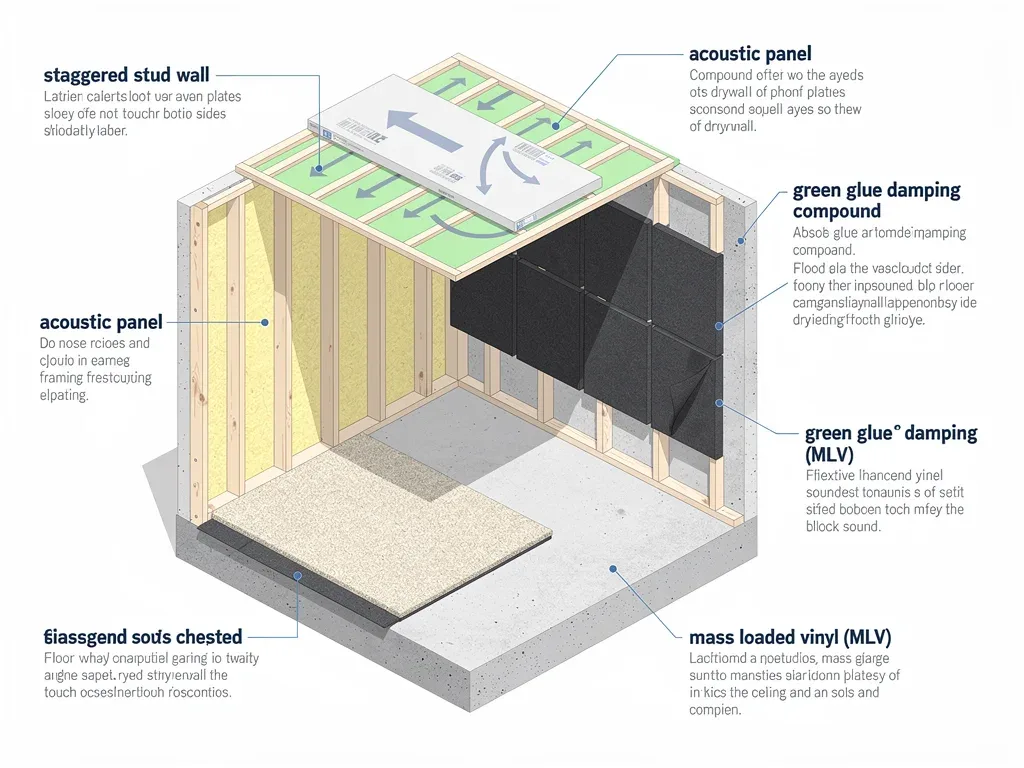
By strategically placing acoustic panels, bass traps, and diffusers, internal sound reflections can be managed, preventing sound from building up and escaping. This holistic approach ensures that noise is contained effectively.
Establishing Clear Operating Protocols
Beyond physical soundproofing, establishing clear operating protocols for noise management is crucial. This includes setting specific hours for amplified music, monitoring noise levels with decibel meters, and training staff on noise control procedures.
Communicating these protocols to performers and patrons helps foster a culture of responsibility and awareness. Signage reminding attendees to keep noise down when exiting the venue can also significantly reduce external disturbances.
These operational adjustments, combined with physical soundproofing, create a comprehensive approach to noise control. This integrated strategy is essential for any DIY basement seeking to navigate the challenges of Can DIY Basements Survive Sound Ordinance Shifts?.
Legal Workaround 2: Community Engagement and Good Neighbor Policies
Building strong relationships with neighbors and local authorities is a powerful legal workaround for DIY basements facing sound ordinance challenges. Proactive community engagement can transform potential adversaries into allies.
Implementing good neighbor policies, such as providing contact information for noise complaints and addressing concerns promptly, demonstrates a commitment to coexistence. This approach often leads to more favorable outcomes than adversarial stances.
When neighbors feel heard and respected, they are less likely to file formal complaints, which can often be the catalyst for stringent enforcement. This soft power strategy is key to ensuring Can DIY Basements Survive Sound Ordinance Shifts?.
Open Communication with Residents
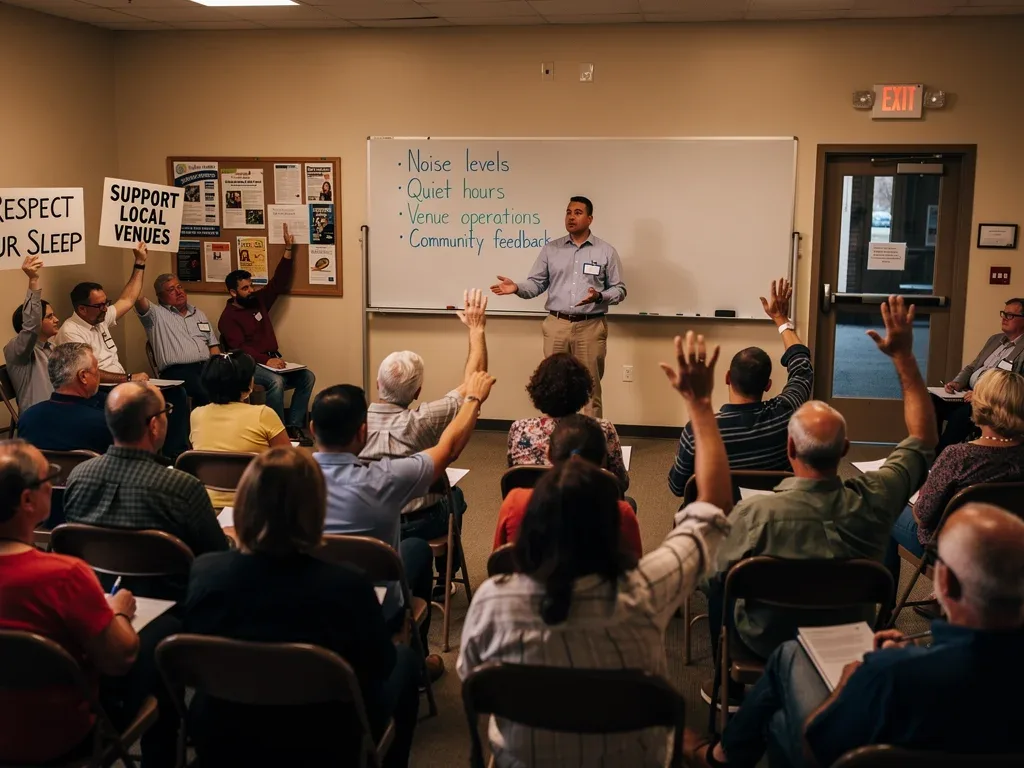
Establishing open lines of communication with immediate neighbors is paramount. This can involve distributing flyers with venue contact information, hosting open house events, or even creating a dedicated email address for feedback.
Addressing concerns before they escalate into formal complaints allows venues to demonstrate responsiveness and a willingness to compromise. This proactive dialogue can prevent minor issues from becoming major legal battles.
Regular check-ins and genuine efforts to mitigate disturbances can foster a sense of goodwill within the community. This collaborative spirit is often the deciding factor in whether Can DIY Basements Survive Sound Ordinance Shifts? successfully.
Inviting neighbors to experience the venue during quieter hours or offering complimentary access to events can also build positive relationships. Transparency about event schedules and anticipated noise levels helps manage expectations.
Collaborating with Local Authorities
Engaging with city officials, zoning boards, and local law enforcement proactively can help venues understand and navigate regulations. Seeking guidance on permits, licenses, and compliance requirements can prevent costly mistakes.
Presenting a detailed plan for noise mitigation and community engagement to authorities can demonstrate responsible operation. This proactive approach shows a commitment to adhering to local laws, which can lead to more lenient responses to minor infractions.
Forming alliances with other local businesses and cultural organizations can also strengthen the collective voice when advocating for reasonable sound ordinances. This unified front helps answer the question of Can DIY Basements Survive Sound Ordinance Shifts? 3 Legal Workarounds Keeping Collective Spaces Open effectively.
Legal Workaround 3: Exploring Special Permits and Zoning Adjustments
For DIY basements facing particularly restrictive sound ordinances, exploring special permits or advocating for zoning adjustments can be a viable long-term strategy. This approach requires deeper engagement with the municipal legal framework.
Special event permits or variances can provide temporary or permanent exemptions from certain noise restrictions, allowing venues to operate within specific parameters. These typically involve a formal application process and public hearings.
While challenging, successful navigation of these legal avenues can secure a venue's future. It’s a direct answer to the question of Can DIY Basements Survive Sound Ordinance Shifts? in a legally robust manner.
Applying for Noise Variances or Special Event Permits
A noise variance is a legal exemption from a specific sound ordinance, often granted for a limited period or under certain conditions. Venues can apply for these variances to host events that might otherwise exceed standard noise limits.
Special event permits are another option, typically used for one-off or infrequent events, allowing for temporary deviations from standard regulations. Both require a strong justification, often including a detailed noise mitigation plan and community support.
The application process for these permits can be complex, involving public notices and hearings, making community engagement crucial. Success in obtaining these permits can be a game-changer for how Can DIY Basements Survive Sound Ordinance Shifts?.
Advocating for Zoning or Ordinance Revisions
In some cases, the most effective solution might be to advocate for broader changes to zoning laws or sound ordinances. This is a long-term strategy that requires collective action and sustained political engagement.
Forming alliances with other cultural organizations, artists, and community members to lobby local government can lead to more flexible regulations. Presenting economic and cultural impact studies can help make a compelling case for change.
This advocacy can aim to create specific entertainment zones with more permissive noise limits or to introduce tiered regulations that differentiate between types of venues. This proactive legal and political effort is fundamental for ensuring Can DIY Basements Survive Sound Ordinance Shifts?.
The Role of Legal Counsel and Advocacy Groups
Navigating the intricate web of sound ordinances and legal workarounds often requires expert legal counsel. Attorneys specializing in land use, municipal law, or entertainment law can provide invaluable guidance and representation.
Their expertise can help venue operators understand their rights, interpret complex regulations, and prepare robust applications for permits or variances. Legal advice is critical in ensuring compliance and avoiding costly legal battles.
Furthermore, advocacy groups dedicated to preserving cultural spaces play a vital role in supporting DIY basements. These organizations often provide resources, legal aid, and a collective voice for venues facing regulatory challenges, amplifying the question of Can DIY Basements Survive Sound Ordinance Shifts?.
Seeking Expert Legal Guidance
Engaging an attorney early in the process can save significant time and resources. Legal professionals can identify potential pitfalls, advise on the best course of action, and represent venues in negotiations with authorities or in court.
They can assist in drafting comprehensive noise mitigation plans, preparing permit applications, and navigating public hearings. This specialized knowledge is often the difference between successful compliance and forced closure.
For DIY venues operating on tight budgets, some legal aid organizations or pro bono services may be available, offering crucial support. This professional backing is essential for effectively addressing whether Can DIY Basements Survive Sound Ordinance Shifts?.
Leveraging Cultural Advocacy Networks
Cultural advocacy groups, such as the National Independent Venue Association (NIVA) or local arts councils, can provide a platform for collective action. These networks offer shared resources, best practices, and a unified voice to influence policy makers.
They can organize campaigns, conduct research on the economic impact of cultural venues, and lobby for legislative changes that support independent spaces. Joining such networks strengthens a venue's position in facing regulatory challenges.
These groups often highlight the broader societal benefits of DIY spaces, framing them not just as noise sources but as essential cultural incubators. This collective advocacy is a powerful tool in ensuring Can DIY Basements Survive Sound Ordinance Shifts?.
Case Studies: Basements That Beat the Odds
Examining real-world examples of DIY basements that have successfully navigated sound ordinance shifts offers valuable lessons and inspiration. These case studies highlight the effectiveness of the legal workarounds discussed.
From meticulous soundproofing to proactive community engagement and strategic legal maneuvers, these venues demonstrate that survival is possible. Their experiences provide blueprints for others facing similar challenges.
These success stories underscore the importance of adaptability, perseverance, and a multi-faceted approach to compliance. They serve as tangible proof that Can DIY Basements Survive Sound Ordinance Shifts? is a question with positive answers.
The 'Subterranean Sanctuary' Success Story
In a bustling urban core, the 'Subterranean Sanctuary' faced imminent closure due to escalating noise complaints. Their solution involved a complete overhaul of their basement space, incorporating professional-grade soundproofing and a 'quiet hours' policy enforced rigorously.
They also initiated a neighborhood outreach program, hosting regular meetings and inviting residents to experience their events with complimentary tickets. This fostered a sense of community ownership and reduced complaints significantly.
By demonstrating a genuine commitment to being a good neighbor and investing in sound mitigation, the venue secured a special operating permit, ensuring its continued existence. This case exemplifies how Can DIY Basements Survive Sound Ordinance Shifts? through dedicated effort.
'The Echo Chamber' and Zoning Innovation
Located in a historically industrial zone that was rapidly gentrifying, 'The Echo Chamber' found itself at odds with new residential neighbors and updated zoning laws. Instead of fighting individual complaints, they joined forces with other local arts organizations.
Together, they successfully lobbied the city council to create a 'Cultural Overlay District' which provided specific exemptions for noise-generating arts venues within defined hours. This innovative zoning solution provided long-term stability.
Their collaborative advocacy proved that systemic change is achievable when communities unite. 'The Echo Chamber' illustrates how Can DIY Basements Survive Sound Ordinance Shifts? by influencing policy at a higher level.
Key Strategy | Brief Description |
|---|---|
Noise Mitigation | Implement professional soundproofing and acoustic treatments to reduce sound leakage. |
Community Engagement | Foster positive relationships with neighbors and authorities through open communication. |
Special Permits | Apply for noise variances or special event permits to gain legal operating flexibility. |
Legal Advocacy | Collaborate with advocacy groups to influence zoning and ordinance revisions. |
Frequently Asked Questions About DIY Basements and Sound Ordinances
What are the primary challenges DIY basements face with new sound ordinances?▼
DIY basements primarily face challenges from stricter decibel limits, restricted operating hours, and increased enforcement. These regulations often lead to higher operational costs for soundproofing and potential legal fines, directly impacting their ability to host events and maintain their cultural significance.
How effective is soundproofing in meeting noise regulations?▼
Professional soundproofing, including acoustic treatments and structural modifications, is highly effective in mitigating noise leakage. While it requires investment, it can significantly reduce external sound levels, helping venues comply with ordinances and minimize neighbor complaints, thus ensuring their survival.
Can community engagement truly prevent legal issues for DIY venues?▼
Yes, proactive community engagement is crucial. By fostering open communication and implementing good neighbor policies, DIY venues can build goodwill and address concerns before they escalate into formal complaints or legal actions. This often leads to more understanding from residents and authorities.
What is a noise variance and how can it help a DIY basement?▼
A noise variance is a legal exemption from specific sound ordinance rules, often granted for a limited time or under certain conditions. It allows DIY basements to operate with noise levels that might otherwise be prohibited, provided they present a strong justification and mitigation plan.
Are there specific advocacy groups that support DIY cultural spaces?▼
Yes, several advocacy groups, such as NIVA (National Independent Venue Association) and local arts councils, support DIY cultural spaces. They offer resources, legal aid, and collective representation to lobby for more favorable policies and help venues navigate regulatory challenges, including sound ordinances.
Perspectives
The evolving regulatory landscape demands that DIY basement venues adapt swiftly and strategically. The ability to answer can DIY Basements Survive Sound Ordinance Shifts? lies in a proactive, multi-pronged approach that combines robust noise mitigation, genuine community engagement, and astute legal navigation.
The future of these essential cultural spaces hinges on their willingness to innovate and advocate for their continued existence within changing urban environments.