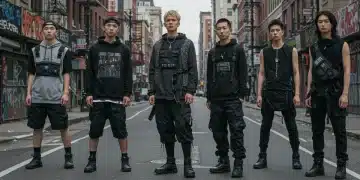
The Future of Goth: 4 Key Style Shifts to Watch in US Underground Fashion by Mid-2026
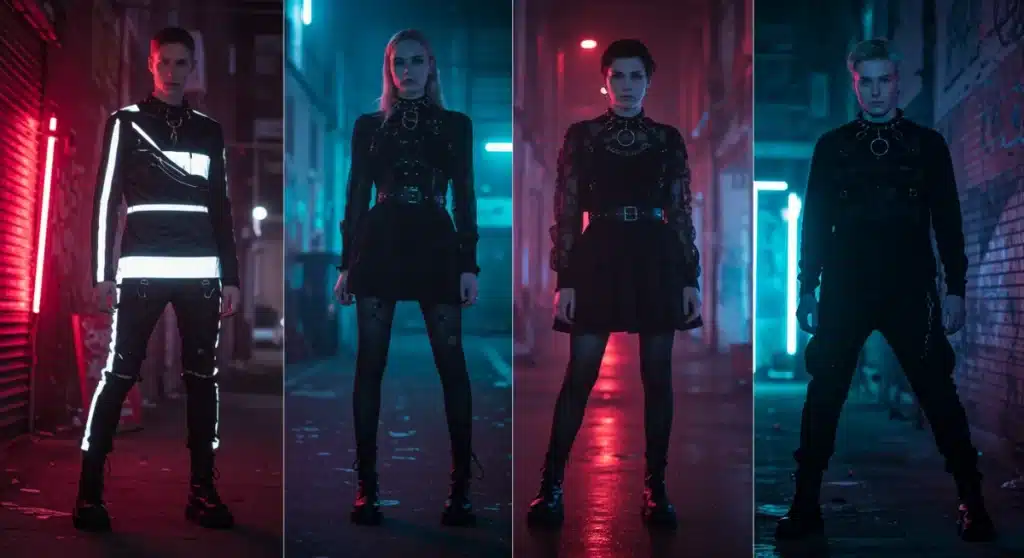
As we look toward the mid-decade mark, The Future of Goth is emerging from the shadows to redefine the American underground. This aesthetic evolution is no longer a mere echo of the past, but a radical reinterpretation where darkness meets high-tech utility and sustainable craftsmanship.
The dark-wear landscape is currently vibrating with a shift toward “New Dynasties” and “Vampirecore,” moving away from literal costumes into structural, architectural silhouettes.
This metamorphosis in the alternative scene reflects a deeper collective desire for emotional authenticity and a rejection of hyper-polished, mainstream perfection.
By mid-2026, expect the nocturnal wardrobe to be dominated by bioluminescent accents, deconstructed lace, and “Dystopian Streetwear.”
These upcoming trends signal a bold new era for the macabre, blending ancestral mystical motifs with the raw, industrial energy of the modern US subculture.
The Rise of Neo-Victorian Tech-Goth
A significant shift emerging in US underground fashion is the fusion of classic Victorian goth aesthetics with modern technological elements.
This hybrid style, termed Neo-Victorian Tech-Goth, is characterized by intricate historical silhouettes reimagined with contemporary fabrics and functional techwear details. It represents a deliberate move to blend past elegance with future utility, pushing the boundaries of traditional goth.
Designers are incorporating smart textiles, reflective materials, and integrated accessories with traditional corsetry, ruffles, and dark lace. This creates garments that are visually striking, offering both historical romanticism and a futuristic edge.
The emphasis is on layered textures and functional components, such as hidden pockets, adjustable straps, and modular pieces, reflecting a desire for both beauty and practicality in the modern urban environment.
The appeal of Neo-Victorian Tech-Goth lies in its ability to bridge different eras, offering a sophisticated yet subversive aesthetic.
It speaks to a generation that values historical depth but also embraces innovation and adaptation, making it a crucial component of The Future of Goth. This style is gaining traction in major metropolitan areas with strong alternative scenes.
Deconstructed Silhouettes and Asymmetrical Forms
One prominent aspect of this evolving goth aesthetic is the deliberate deconstruction of garment forms. Traditional symmetrical designs are giving way to asymmetrical cuts, frayed edges, and raw hems, creating a sense of controlled chaos and artistic rebellion.
This approach challenges conventional beauty standards and embraces imperfection as a form of expression.
The use of unconventional draping and layering techniques further emphasizes this deconstructed look. Garments often feature exposed seams, unfinished edges, and unexpected cut-outs, adding to their avant-garde appeal.
This shift reflects a broader trend in fashion towards individuality and a rejection of mass-produced uniformity, aligning with the core ethos of underground subcultures.
- Layered fabrics with varying textures
- Asymmetrical hemlines and necklines
- Exposed seams and raw edges
- Modular and adjustable garment components
Integration of Smart Fabrics and Reflective Elements
Technological advancements in textiles are playing a pivotal role in shaping Neo-Victorian Tech-Goth. Smart fabrics that offer temperature regulation, water resistance, or even subtle illumination are being integrated into designs.
Reflective elements, often seen in sportswear, are now being strategically used in goth attire, adding a futuristic, almost cybernetic, dimension to classic pieces.
These materials not only enhance the visual impact of the clothing, especially in low-light conditions, but also provide functional benefits for urban living.
The contrast between the historical grandeur of Victorian styles and the sleek utility of modern tech fabrics creates a compelling aesthetic. This integration signifies a forward-thinking approach to goth fashion, moving beyond purely aesthetic considerations.
Minimalist Darkwave Aesthetics
Contrasting with the elaborate nature of Neo-Victorian Tech-Goth, another significant shift is the emergence of Minimalist Darkwave Aesthetics.
This style embraces simplicity, clean lines, and a muted color palette, primarily focusing on variations of black, charcoal, and deep navy. It draws inspiration from 1980s darkwave music and post-punk, but with a refined, contemporary twist.
The emphasis here is on tailoring, quality fabrics, and subtle detailing rather than overt embellishment. Silhouettes are often streamlined, featuring flowing fabrics and understated forms that exude a quiet intensity.
This minimalist approach offers a sophisticated alternative to more theatrical goth styles, appealing to those who prefer a more subtle yet equally impactful dark aesthetic.
Minimalist Darkwave is not about a lack of detail, but rather a focus on essential elements and impeccable execution. It prioritizes texture, drape, and the interplay of light and shadow on monochromatic surfaces, embodying a refined sense of melancholy and introspection.
This style exemplifies a mature evolution within The Future of Goth, suggesting a more understated elegance.
Streamlined Silhouettes and Monochromatic Palettes
The defining characteristic of Minimalist Darkwave is its commitment to streamlined silhouettes. Overly ornate details are eschewed in favor of clean lines, often with a slight oversized or elongated fit that creates a dramatic, ethereal effect.
This approach allows the quality of the fabric and the cut of the garment to speak for themselves, without distraction.
The color palette is almost exclusively monochromatic, with an emphasis on various shades of black, deep grays, and occasionally dark forest greens or muted plums. This limited palette enhances the focus on texture and form.
The absence of bright colors reinforces the somber, introspective mood central to the Darkwave aesthetic, ensuring a cohesive and sophisticated look.
- Clean lines and architectural forms
- Focus on high-quality natural fabrics like wool, silk, and linen
- Absence of overt patterns or prints
- Subtle texture variations for visual interest
Emphasis on Texture and Fabric Innovation
While the color palette is restrained, Minimalist Darkwave places a strong emphasis on texture. Designers are experimenting with a wide range of fabrics, from matte leathers and heavy wools to sheer silks and delicate knits, creating tactile depth within monochromatic ensembles.
The interplay of different textures adds visual interest and sophistication to the otherwise simple designs.
Fabric innovation also plays a role, with the use of sustainable and ethically sourced materials gaining prominence. This includes organic cottons, recycled polyesters, and innovative blends that offer unique drapes and finishes.
The conscious choice of materials reflects a growing awareness within the goth community about environmental and ethical concerns, contributing to a more thoughtful consumption of fashion.
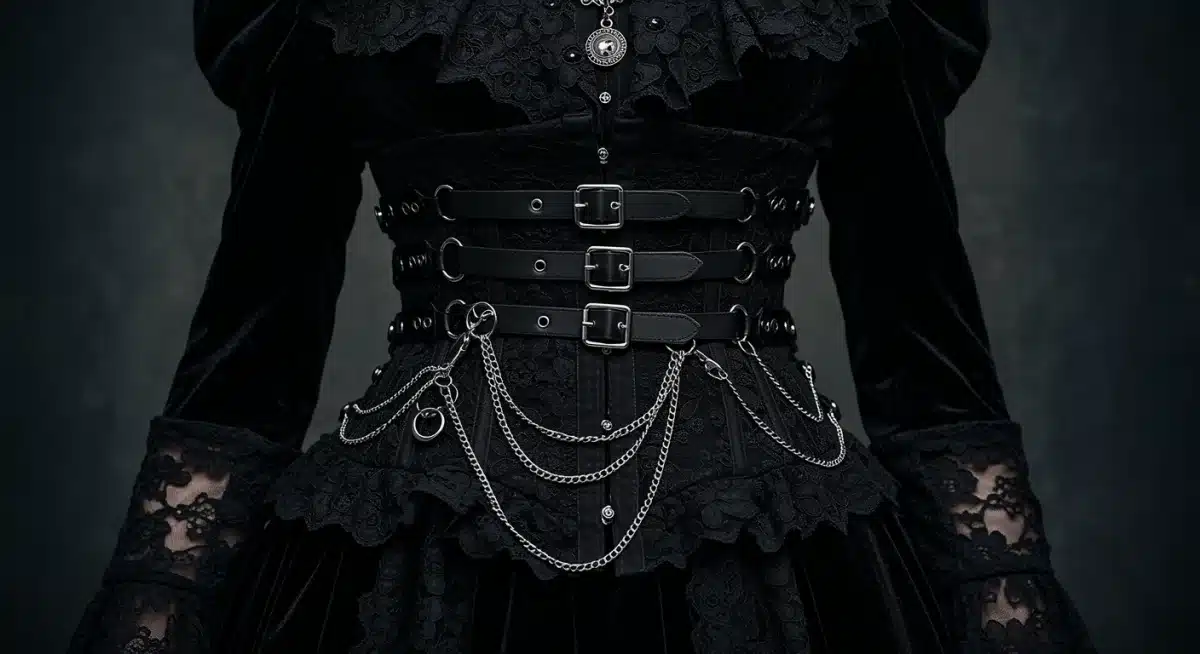
Post-Apocalyptic Utility Goth
The third significant trend influencing The Future of Goth is Post-Apocalyptic Utility Goth. This style reflects a world-weary aesthetic, blending utilitarian functionality with a grim, dystopian outlook.
It draws heavily from military and workwear influences, adapted with a dark, distressed, and often heavily layered sensibility.
Garments are characterized by robust fabrics, multiple pockets, straps, buckles, and often a worn or distressed finish. The color scheme is typically earthy and desaturated, featuring shades of black, olive green, grey, and brown, evoking a sense of survival in a harsh environment.
This aesthetic speaks to themes of resilience, preparedness, and a critical view of societal structures.
This style is particularly popular among those who appreciate rugged durability and practical design, without sacrificing a distinct dark edge. It’s a pragmatic yet darkly romantic vision of survival, emphasizing function over pure form, yet still maintaining a strong stylistic statement.
The rise of this trend underscores a collective subconscious anxiety about the future, channeled into fashion.
Rugged Durability and Functional Design
Central to Post-Apocalyptic Utility Goth is the focus on rugged durability. Fabrics like heavy canvas, ripstop nylon, and reinforced denim are common, chosen for their resilience and resistance to wear and tear.
The construction of garments often features double stitching, reinforced knees and elbows, and other elements designed for longevity and demanding use.
Functional design is paramount, with an abundance of cargo pockets, utility straps, and adjustable components. These features are not merely decorative; they serve practical purposes, allowing wearers to carry essentials and adapt their clothing to various conditions.
This emphasis on utility makes the style highly practical for urban exploration or outdoor activities, appealing to an adventurous spirit.
- Heavy-duty fabrics for resilience
- Numerous functional pockets and compartments
- Adjustable straps and modular components
- Distressed and weathered finishes
Distressed Textures and Earth-Toned Palettes
The visual language of Post-Apocalyptic Utility Goth is heavily influenced by distressed textures. Fading, rips, patches, and intentional wear-and-tear are common, giving garments a lived-in, battle-hardened appearance.
This distressing adds character and depth, suggesting a history of survival and resilience, moving beyond pristine aesthetics.
While black remains a core color, the palette expands to include a range of desaturated earth tones. Olive greens, charcoal greys, dusty browns, and faded khakis are prevalent, reflecting a natural, almost camouflaged aesthetic.
This color scheme reinforces the utilitarian and survivalist themes, creating a cohesive visual narrative that is both stark and grounded.
Ethical and Sustainable Goth
The fourth crucial shift defining The Future of Goth is the growing emphasis on ethical and sustainable practices within goth fashion.
As environmental consciousness rises globally, the underground scene is increasingly demanding transparency, ethical production, and sustainable materials. This isn’t just a trend; it’s a fundamental re-evaluation of consumption.
Designers and consumers are actively seeking alternatives to fast fashion, prioritizing garments made from recycled, upcycled, or organic materials.
There’s a strong movement towards supporting independent artisans, local production, and brands that adhere to fair labor practices. This shift indicates a maturing subculture that aligns its aesthetic values with its ethical responsibilities.
This movement is driving innovation in material science and production methods within the goth community, proving that dark aesthetics can coexist with environmental stewardship.
It’s about making conscious choices that reflect a commitment to a better future, both for the planet and for the people involved in creating fashion. This ethical pivot is set to profoundly influence design and consumption patterns.
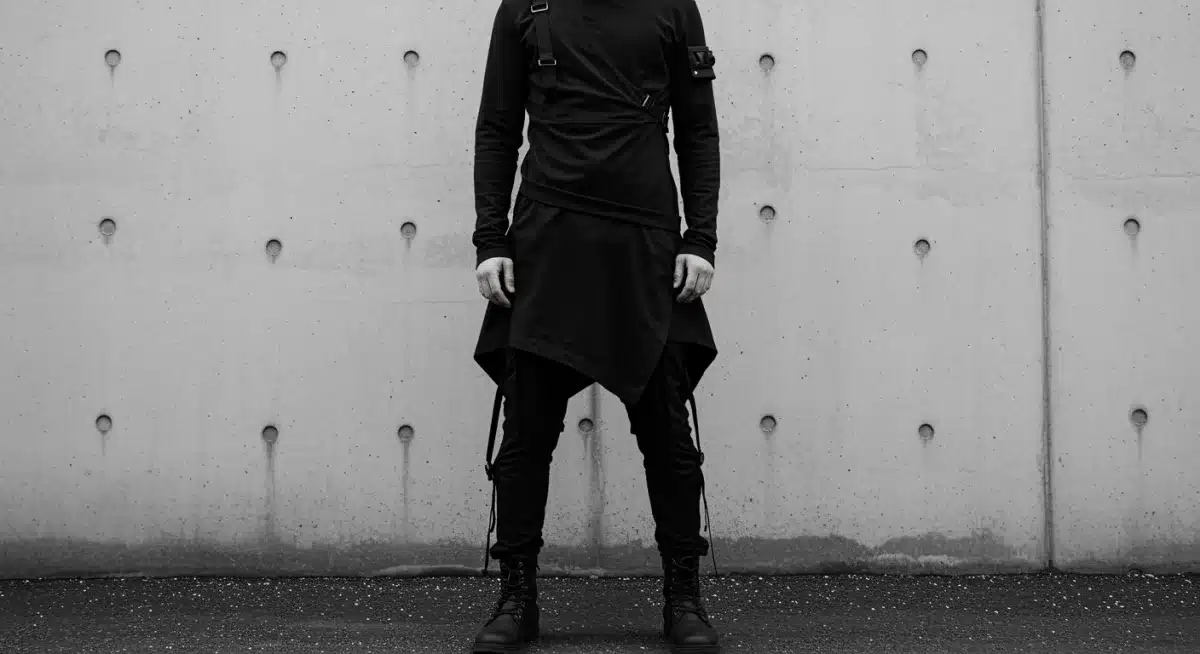
Upcycling and Repurposing Garments
Upcycling and repurposing existing garments are at the heart of the Ethical and Sustainable Goth movement. Instead of buying new, enthusiasts are transforming vintage clothes, discarded materials, and thrift store finds into unique, goth-inspired pieces.
This not only reduces waste but also fosters creativity and individuality, as each upcycled item becomes a one-of-a-kind creation.
Techniques include dyeing, distressing, adding new embellishments, and completely deconstructing and reconstructing garments. This hands-on approach empowers individuals to express their style while minimizing their environmental footprint.
It also highlights a return to DIY ethos, a foundational element of many underground subcultures, making it deeply authentic.
- Transformation of vintage and thrifted clothing
- Use of natural dyes and eco-friendly finishes
- Support for local artisans and small-batch production
- Emphasis on longevity and repairability of garments
Conscious Material Choices and Ethical Production
The selection of materials is becoming a critical consideration for ethical goth fashion. There’s a growing preference for organic cotton, hemp, bamboo, and recycled synthetic fibers.
Furthermore, innovative sustainable materials like mushroom leather (Mycelium) and plant-based silks are gaining traction, offering cruelty-free and environmentally friendly alternatives to traditional materials.
Beyond materials, ethical production practices are equally important. Consumers are demanding transparency regarding labor conditions, wages, and environmental impact throughout the supply chain.
This push for ethical sourcing and manufacturing ensures that the dark beauty of goth fashion doesn’t come at the expense of human or planetary well-being. This consciousness shapes The Future of Goth significantly.
The Blurring Lines of Goth Subgenres
As these distinct shifts emerge, another overarching trend is the increasing fluidity and blurring of lines between traditional goth subgenres. The rigid classifications that once defined goth fashion are dissolving, giving way to a more hybridized and personalized approach.
This evolution is driven by greater access to diverse aesthetics and a desire for individual expression over strict adherence to subcultural norms.
Individuals are no longer confining themselves to a single category like Victorian, Cyber, or Trad Goth. Instead, they are drawing inspiration from multiple sources, mixing elements to create unique personal styles.
This eclectic approach fosters greater creativity and innovation within the scene, allowing for a broader spectrum of dark aesthetics to coexist and influence each other. It’s a testament to the dynamic nature of underground fashion.
This hybridization reflects a broader cultural movement towards fluidity and intersectionality, where identities are complex and multi-faceted.
The goth scene, always a haven for outsiders, is embracing this complexity, allowing for more nuanced and personal expressions of darkness and beauty. This amalgamation is a key indicator of The Future of Goth, suggesting a less rigid, more inclusive future.
Eclectic Influences and Personalized Expression
The contemporary goth individual is a curator of aesthetics, drawing from a vast historical and global tapestry of dark styles.
Influences from Japanese street fashion, historical periods beyond Victorianism (e.g., Edwardian, Regency), and even non-Western dark aesthetics are becoming more common. This eclectic approach leads to highly personalized and often unexpected combinations.
Personalized expression is paramount. Rather than replicating established looks, individuals are encouraged to interpret and adapt styles to fit their own identity and comfort.
This fosters a sense of authenticity and originality within the scene, moving away from prescriptive fashion rules. The emphasis is on how the individual embodies the style, rather than strict adherence to a template.
Digital Platforms as Catalysts for Hybridization
Digital platforms, particularly social media, have played a crucial role in accelerating this hybridization. Platforms like Instagram, TikTok, and Pinterest allow individuals to discover, share, and experiment with diverse goth aesthetics from around the world.
This constant exposure to new ideas and interpretations encourages cross-pollination between subgenres.
Online communities also provide spaces for discussing and developing these hybrid styles, fostering a sense of collective innovation.
Tutorials on DIY fashion, styling tips, and brand recommendations circulate rapidly, democratizing access to fashion knowledge and inspiring experimentation. The digital realm is an undeniable force in shaping The Future of Goth.
Impact of Social and Cultural Movements
The shifts in goth fashion are not isolated phenomena; they are deeply intertwined with broader social and cultural movements in the US.
Issues such as climate change, social justice, and evolving gender identities are profoundly influencing how goth individuals express themselves. Fashion acts as a mirror, reflecting the anxieties, hopes, and values of a community.
The push for ethical and sustainable goth, for instance, directly responds to environmental concerns. Similarly, the increasing fluidity in style and the rejection of rigid gender norms in fashion speak to broader conversations about identity and inclusivity.
These movements provide a powerful undercurrent, shaping the aesthetic choices and philosophical underpinnings of contemporary goth.
Goth, traditionally a subculture for outsiders, continues to be a space for critical engagement with mainstream society.
As social and political landscapes evolve, so too does its visual language, adapting to new challenges and expressing new forms of dissent or introspection. Understanding these external pressures is key to grasping the full scope of The Future of Goth.
| Key Style Shift | Brief Description |
|---|---|
| Neo-Victorian Tech-Goth | Victorian elegance with modern tech fabrics and functional details. |
| Minimalist Darkwave Aesthetics | Clean lines, monochromatic palettes, and focus on texture and tailoring. |
| Post-Apocalyptic Utility Goth | Rugged, distressed looks with utilitarian features and earthy tones. |
| Ethical and Sustainable Goth | Emphasis on upcycling, eco-friendly materials, and ethical production. |
Frequently Asked Questions About Goth Fashion Shifts
Neo-Victorian Tech-Goth is characterized by a blend of classic Victorian silhouettes with contemporary, functional techwear elements. It features intricate designs, dark lace, and corsetry combined with smart textiles, reflective materials, and modular components, offering a sophisticated yet subversive aesthetic that redefines traditional goth for the modern era.
Minimalist Darkwave moves away from the elaborate and often theatrical elements of traditional goth. It focuses on clean lines, streamlined silhouettes, and a monochromatic palette, primarily black. The emphasis is on high-quality fabrics, tailoring, and subtle textures, creating a refined, understated, and introspective dark aesthetic inspired by 1980s darkwave music.
Post-Apocalyptic Utility Goth is influenced by dystopian themes, military wear, and workwear, reflecting a survivalist aesthetic. It features rugged, durable fabrics, numerous functional pockets, straps, and often distressed finishes. The color palette typically includes black, olive green, and earthy tones, conveying a sense of resilience and preparedness in a harsh world.
Sustainability is growing in importance due to increased environmental awareness and ethical concerns. The goth community is embracing upcycling, repurposing, and using eco-friendly materials like organic cotton or plant-based leathers. This shift aligns goth aesthetics with responsible consumption, reducing environmental impact and supporting ethical production practices within the subculture.
Rather than disappearing, traditional goth subgenres are blurring and hybridizing. Individuals are increasingly mixing elements from different styles, creating personalized expressions. This fluidity fosters greater creativity and inclusivity within the scene, allowing for a broader spectrum of dark aesthetics to coexist and evolve, reflecting a more nuanced approach to identity and style.
Perspectives on Goth’s Evolving Identity
The identified shifts in The Future of Goth underscore a dynamic evolution within the subculture. These changes signify more than just aesthetic preferences; they reflect deeper cultural dialogues around technology, sustainability, and personal identity.
The US underground fashion scene continues to be a fertile ground for innovation, pushing boundaries and challenging conventions.
As these trends solidify, observers should note how mainstream fashion may eventually draw inspiration from these underground movements, albeit in diluted forms.
The sustained influence of goth aesthetics, even as they transform, highlights the subculture’s enduring appeal and its capacity for reinvention. The continuous adaptation ensures goth remains relevant and impactful, influencing broader fashion narratives.
Moving forward, the interplay between digital communities and physical spaces will further shape these developments. The emphasis on ethical consumption and personalized expression suggests a more conscious and authentic future for goth.
These shifts provide crucial insights into the evolving landscape of alternative fashion, cementing goth’s place as a vital force.