Riso Printing for Zines: Slash Self-Publishing Costs by 40%
Advertisements
If you’re self-publishing independent art or subcultural zines, printing costs can eat up your budget before your work even reaches a reader. Riso Printing for Zines has re-emerged as the ultimate game-changer, slicing production expenses by up to 40% on medium runs without sacrificing tactile beauty.
This vibrant, stencil-duplication method bridges the gap between high-cost commercial offset and sterile digital copies. By using soy-based inks and spot colors, the Risograph technique gives each issue a distinct, screen-printed feel that DIY creators and readers adore.
Whether you're pressing a 500-copy run or scaling a passion project, mastering this eco-friendly duplication process keeps your publication affordable and sustainable. Here’s how adopting this unique printing workflow can transform your self-publishing strategy today.
The Rise of Riso Printing in Subcultural Zines
The independent publishing scene is currently experiencing a significant shift, with Risograph printing emerging as a cornerstone for creators. This method offers a distinctive aesthetic and, crucially, substantial economic advantages for those producing zines and other short-run publications.
Independent artists and writers are increasingly turning to Riso, captivated by its unique textural qualities and vibrant, often imperfect, color output. This blend of artistry and affordability makes it an ideal choice for the DIY ethos of subcultural zine production.
The financial impact is particularly noteworthy, enabling creators to realize projects that might otherwise be cost-prohibitive. For runs of around 500 copies, the savings can be transformative, directly influencing the viability of independent publishing endeavors.
Understanding the Riso Printing Process
Riso printing utilizes a unique stencil-based duplication process, differing significantly from traditional offset or digital printing. It involves creating a master stencil for each color, which is then wrapped around an ink drum.
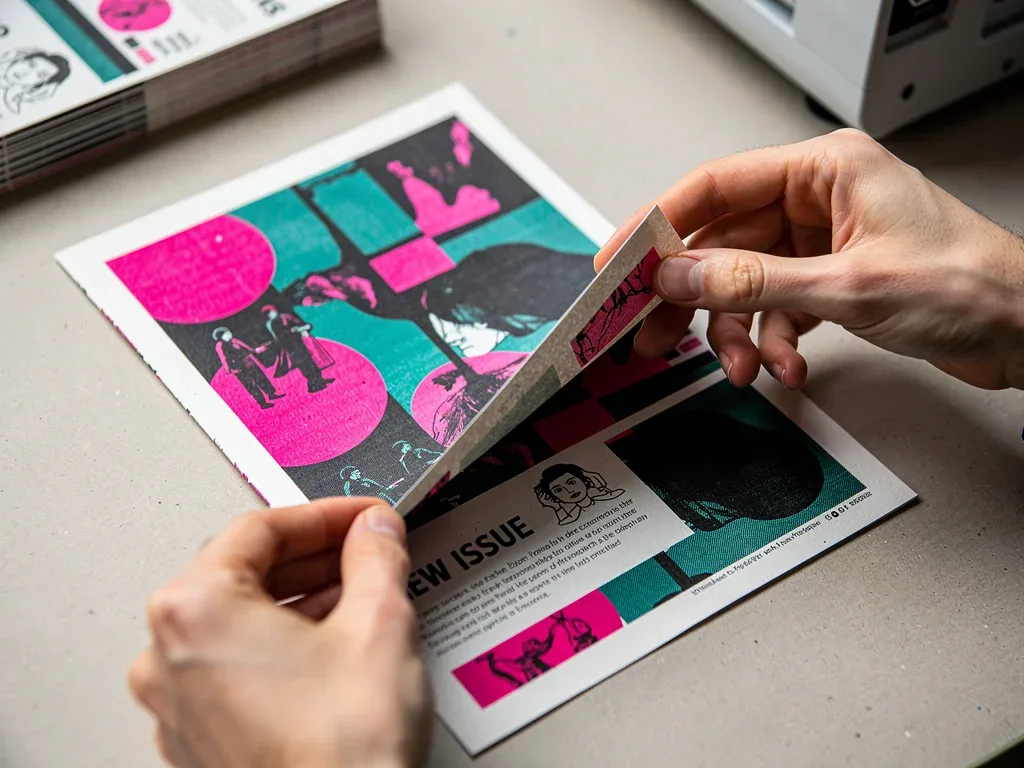
As paper passes through the machine, ink is pushed through the stencil, transferring the image. This method results in a distinct, often slightly misregistered, and highly tactile print that is celebrated for its lo-fi charm.
The process is inherently efficient for medium-sized runs, reducing setup times and material waste compared to other methods. This efficiency is a primary driver behind the cost reductions observed by zine makers.
How Riso Technology Works
Digital to Stencil Conversion: Artwork is scanned or sent digitally to the Risograph, which then burns a thermal master stencil.
Ink Drum System: Each color requires a separate ink drum and stencil, allowing for vibrant, spot-color printing.
High-Speed Duplication: Once the master is made, the machine can print hundreds of copies rapidly, making it ideal for zines.
Cost-Benefit Analysis: Why Riso Excels for Zines
For subcultural zine creators, the economic advantages of Riso printing are profound, especially when considering print runs of approximately 500 copies. Traditional printing methods often incur high setup costs, which are distributed across the total number of units.
Riso’s lower initial setup and material costs mean that per-unit expenses decrease dramatically with increased volume, up to a certain point. This makes it a sweet spot for indie publishers aiming for a balance between accessibility and wider distribution.
Reports from various independent presses and self-publishers consistently indicate a potential for Riso Printing for Subcultural Zines. This significant saving allows for greater creative freedom and market reach.
Comparing Riso to Traditional Methods
Offset Printing: High initial setup, excellent quality for large runs, but expensive for 500 copies.
Digital Printing: Good for very small runs, but per-unit costs remain relatively high and lack Riso's unique aesthetic.
Riso Printing: Low setup, distinct aesthetic, and cost-effective for medium runs, offering a clear advantage for zines.
The Aesthetic Appeal of Risograph
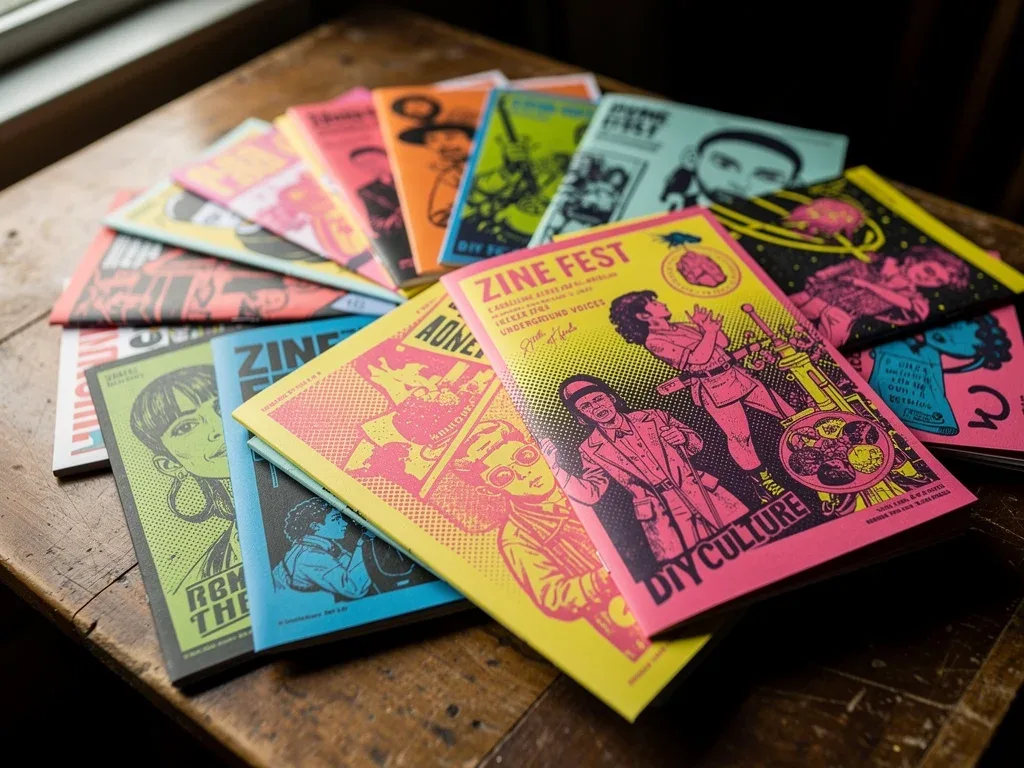
Beyond the financial benefits, the unique visual and tactile qualities of Risograph prints are a major draw for the subcultural zine community. Riso colors are often described as vibrant and luminous, with a distinct, slightly transparent quality.
The process inherently allows for charming imperfections, such as minor misregistration and variations in ink density, which are embraced as part of its aesthetic. These characteristics give Riso prints an authentic, handmade feel that resonates deeply with the DIY ethos.
This aesthetic stands in stark contrast to the often sterile perfection of digital printing, providing a tangible and collectible quality to zines. It reinforces the artistic intent and individuality of the creators.
Impact on Self-Publishing and Independent Artists
The ability of Riso Printing for Zines has had a transformative impact on the landscape of self-publishing. It empowers independent artists and writers to bring their visions to print without prohibitive financial barriers.
This accessibility fosters a more diverse and experimental publishing environment, allowing niche voices and avant-garde content to flourish. Zine fairs and independent bookstores are increasingly showcasing Risograph-printed works, highlighting its growing prominence.
The economic viability provided by Riso means that more creators can afford to print and distribute their work, leading to a richer and more varied subcultural output. It democratizes the means of production, a core tenet of alternative culture.
Challenges and Considerations in Riso Printing
While Riso printing offers numerous advantages, it also comes with its own set of challenges and considerations. Understanding these limitations is crucial for creators to make informed decisions and manage expectations effectively.
One primary consideration is the limited color palette, as Risographs typically use spot colors, not full CMYK. This requires artists to design their work with specific color separations in mind, which can be a learning curve.
Additionally, the ink is soy-based and can be susceptible to smudging if not handled carefully, and perfect registration is difficult to achieve consistently. These characteristics, while part of its charm, can also be production hurdles.
Navigating Riso's Limitations
Color Management: Requires careful separation of artwork into individual color layers.
Smudging: Soy-based inks dry slower and can smudge, necessitating careful handling and drying times.
Registration Issues: Slight misregistration is common and often embraced, but can be a challenge for precise designs.
The Future of Zine Production with Riso
The trajectory of Riso Printing for Zines suggests a bright future for indie publishing. As more artists discover its benefits, its adoption is likely to continue expanding across various creative communities.
Technological advancements in Risograph machines and improved access to Riso services are making the process even more streamlined. This growing infrastructure will further support independent creators in their publishing endeavors.
The unique aesthetic and cost-effectiveness of Riso align perfectly with the evolving demands of the alternative culture scene, emphasizing authenticity and artistic expression over mass-market appeal. It remains a vital tool for those seeking to maintain creative control.
Resources for Aspiring Riso Zine Makers
For those interested in leveraging Riso Printing for Zines, a wealth of resources is available. Numerous independent print shops across the United States specialize in Risograph services, offering guidance and affordable printing options.
Online communities and workshops provide valuable insights into designing for Riso, understanding color separations, and maximizing the distinctive qualities of the medium. These platforms connect creators and foster a collaborative learning environment.
Exploring local art schools, community print centers, and zine fests can also lead to direct access to Risograph machines and experienced printers. These resources are crucial for navigating the initial learning curve and producing high-quality zines.
Key Aspect | Description |
|---|---|
Cost Savings | Up to 40% reduction for 500-copy zine runs compared to traditional methods. |
Unique Aesthetic | Vibrant spot colors, tactile texture, and charming imperfections. |
Process Efficiency | Stencil-based duplication ideal for medium-sized print jobs. |
Impact on Indie Publishing | Empowers creators, fosters diversity, and expands market reach. |
Frequently Asked Questions About Riso Printing for Zines
What exactly is Riso printing and how does it differ from other methods?▼
Riso printing, or Risograph, is a stencil duplicator that uses a thermal master to push soy-based ink through. Unlike offset, it's not lithographic, and unlike digital, it uses spot colors rather than CMYK, giving it a unique aesthetic and making it highly efficient for medium runs.
How significant are the cost savings for subcultural zines?▼
For print runs of around 500 copies, artists can expect to cut self-publishing costs by approximately 40%. This is due to Riso's low material costs and efficient process once the initial stencil is created, making it very economical for zine production.
What kind of aesthetic does Riso printing offer?▼
Risograph prints are known for their vibrant, often translucent spot colors and unique textures. They frequently exhibit charming imperfections like slight misregistration, which contribute to a distinct, handmade, and highly sought-after lo-fi aesthetic popular in alternative culture.
Are there any downsides or challenges to using Riso for zines?▼
Yes, Riso printing has limitations, including a restricted color palette (spot colors only, not full-color photos) and the soy-based ink's tendency to smudge if not handled carefully. Achieving perfect registration can also be challenging, which some artists integrate into their design.
Where can independent artists find Riso printing services or resources?▼
Independent print shops, community art centers, and specialized Risograph studios are excellent resources. Online communities and workshops also offer guidance on design and technique. Many zine fairs connect artists with Riso printers directly, fostering a supportive network for creators.
Perspectives on Indie Publishing's Future
The sustained adoption of Riso printing underscores a broader trend in independent publishing: a movement towards accessible, distinctive, and cost-effective production methods.
As creators continue to prioritize artistic control and unique aesthetics, the appeal of Riso Printing for Zines will only grow.
This development suggests a future where niche publications can thrive, unburdened by the prohibitive costs of traditional printing. The emphasis will remain on creative freedom and the ability to connect directly with an audience through tangible, visually engaging works.
Monitoring the evolution of Riso technology and the expanding network of Riso-focused print shops will be key. This ongoing shift promises to further democratize publishing, ensuring that diverse voices and artistic expressions continue to find their way into print.