Subdermal RFID & NFC Implants in 2026: 3 Biocompatible Microchips
Advertisements
What if unlocking your front door, making a payment, or sharing your contact info required nothing more than a wave of your hand? Subdermal RFID & NFC Implants are officially moving from science fiction into everyday reality in 2026, revolutionizing how we interact with the digital world.
As biohacking shifts from underground subculture to mainstream technology, modern biocompatible microchips are safer, more capable, and easier to install than ever. Today’s subdermal hardware offers unprecedented convenience for tech enthusiasts looking to merge personal identity with digital access.
In this breakdown, we examine three cutting-edge implantable transponders redefining human augmentation. We’ll analyze their core features, verified safety standards, and what you need to track as these miniature glass-encased chips gain regulatory and commercial traction.
The Evolving Landscape of Subdermal Implants
The field of subdermal RFID and NFC implants continues its rapid advancement, moving from niche experimentation to a more recognized, albeit still specialized, area of biohacking. As 2026 approaches, the focus intensifies on biocompatibility, functionality, and the ethical considerations surrounding these tiny devices.
Early adopters and developers are pushing boundaries, integrating these implants into daily routines for enhanced convenience and security. The discussion now revolves less around 'if' these technologies will be adopted, and more around 'how' and 'by whom' they will be utilized.
This report provides an in-depth look at the current state of popular options for subdermal RFID and NFC implants, offering an analysis of three prominent biocompatible microchips that are gaining traction among body hackers and tech enthusiasts.
Understanding RFID and NFC Technologies in Implants
Radio-Frequency Identification (RFID) and Near Field Communication (NFC) are the foundational technologies enabling these subdermal implants. Both allow for contactless data exchange, but they operate at different ranges and serve distinct purposes within the biohacking community.
RFID implants typically offer longer read ranges and are often used for access control or asset tracking. NFC implants, a subset of RFID, are designed for very short-range communication, making them ideal for payment systems, digital identification, and smart device interaction.
The integration of these technologies into biocompatible microchips represents a significant leap, allowing for seamless, integrated interactions with the digital world directly from one's body.
Key Differences and Applications
RFID: Longer read range, often passive, used for general identification and access control systems.
NFC: Shorter read range, passive or active, widely adopted for mobile payments, smart locks, and data transfer with smartphones.
Biocompatibility: Crucial for subdermal use, ensuring the implant does not provoke adverse reactions from the body.
The choice between RFID and NFC often depends on the intended application, though many modern implants now incorporate both functionalities for maximum versatility.
Analyzing 3 Popular Biocompatible Microchips for Body Hackers
In 2026, several key players dominate the market for subdermal RFID and NFC implants. Our analysis focuses on three popular options, chosen for their advanced features, widespread adoption, and proven biocompatibility.
These microchips represent the pinnacle of current implantable technology, offering a glimpse into the future of human-computer interaction. Each has distinct advantages that cater to different needs within the body hacking community.
Understanding the specifics of these devices is essential for anyone considering joining the ranks of implanted individuals or simply observing the trend.
The VivoKey Apex: A Secure and Versatile Option
The VivoKey Apex stands out as a highly secure and versatile option among subdermal RFID and NFC implants. It's designed to be a secure platform for a variety of applications, leveraging cryptographic keys for enhanced security.
This implant allows users to store digital certificates, sign documents, and perform secure logins, making it a favorite for those prioritizing digital identity and security. Its robust feature set positions it as a leader in the biohacking space.
The Apex operates on both high-frequency (NFC) and low-frequency (RFID) protocols, offering broad compatibility with existing readers and systems, a crucial factor for its widespread appeal.
The Dangerous Things xNT: The Classic NFC Solution
The Dangerous Things xNT remains one of the most popular and accessible subdermal RFID and NFC implants. Known for its simplicity and reliability, it offers basic NFC functionality, making it ideal for everyday convenience.
Users typically employ the xNT for unlocking smartphones, opening smart locks, sharing contact information, and interacting with NFC-enabled devices. Its small form factor and ease of implantation contribute to its enduring popularity.
The xNT operates purely on NFC, focusing on short-range interactions, which aligns with many users' primary needs for contactless convenience without complex cryptographic features.
The NExT Implant: Combining RFID and NFC
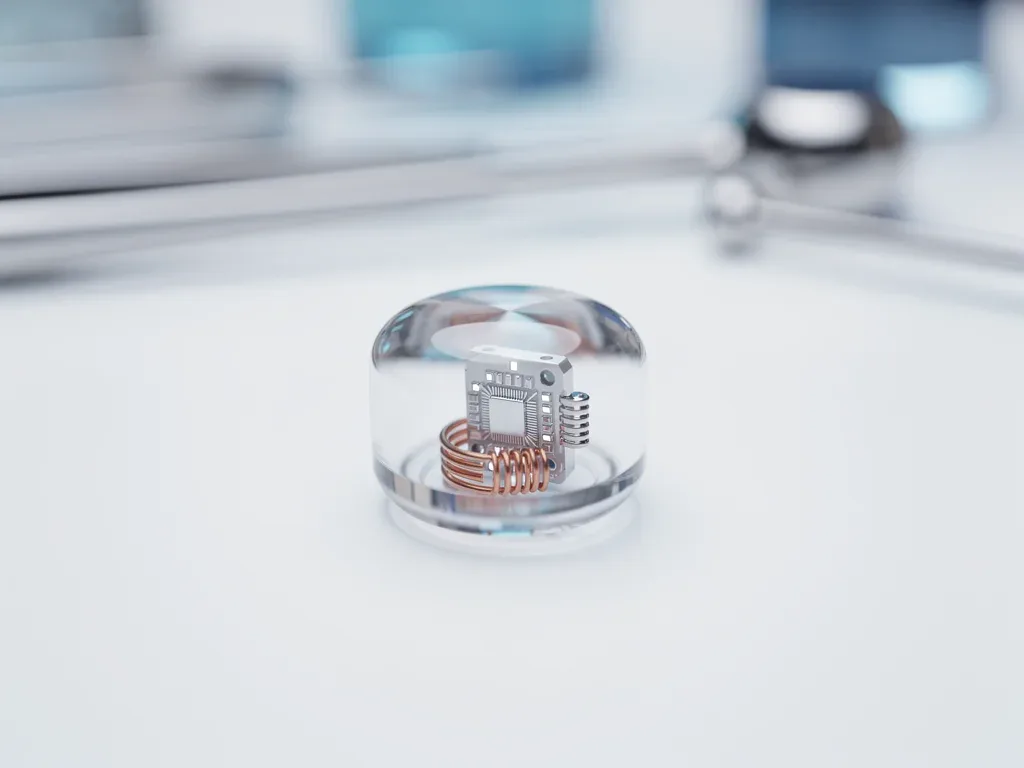
The NExT implant, also from Dangerous Things, offers a powerful combination of both low-frequency (LF) RFID and high-frequency (HF) NFC capabilities within a single, biocompatible glass capsule. This dual functionality makes it exceptionally versatile.
With the NExT, users can interact with a wider array of systems, from older LF access control systems to modern NFC readers. This hybrid approach caters to body hackers who require broad compatibility for various applications.
Its popularity stems from the fact that it provides two distinct chip functionalities in one implant, reducing the need for multiple separate implants for different purposes.
Biocompatibility: A Critical Factor for Subdermal Implants
Biocompatibility is paramount for any device intended for long-term implantation within the human body. For subdermal RFID and NFC implants, this means using materials that do not provoke adverse immune responses or degrade over time, ensuring the safety and longevity of the implant.
The three popular microchips discussed – VivoKey Apex, Dangerous Things xNT, and NExT Implant – all utilize medical-grade materials, typically borosilicate glass, to encapsulate the electronics. This material is inert and has a long history of safe use in medical implants.
Rigorous testing and adherence to international standards are crucial for ensuring these devices meet the necessary biocompatibility requirements, minimizing risks for users.
Materials and Safety Standards
Borosilicate Glass: Common encapsulation material, known for its inertness and strength.
Medical-Grade Components: All internal components are selected to minimize leaching and reactivity within the body.
ISO Standards: Implants often adhere to ISO 10993 standards for biological evaluation of medical devices.
The ongoing research into new biocompatible materials aims to further enhance safety and reduce the potential for complications, making subdermal RFID and NFC implants even more reliable.
Applications and Use Cases for Body Hackers
The utility of subdermal RFID and NFC implants extends across a broad spectrum of applications, primarily focused on convenience, security, and personal customization. Body hackers are continuously innovating new ways to integrate these devices into their lives.
From simplifying daily tasks to enhancing digital security, these implants offer a direct, hands-free interface with the digital world. The possibilities continue to expand as technology evolves and more systems become compatible.
The practical applications demonstrate why subdermal RFID and NFC implants are becoming increasingly attractive to a segment of the population.
Everyday Convenience and Access
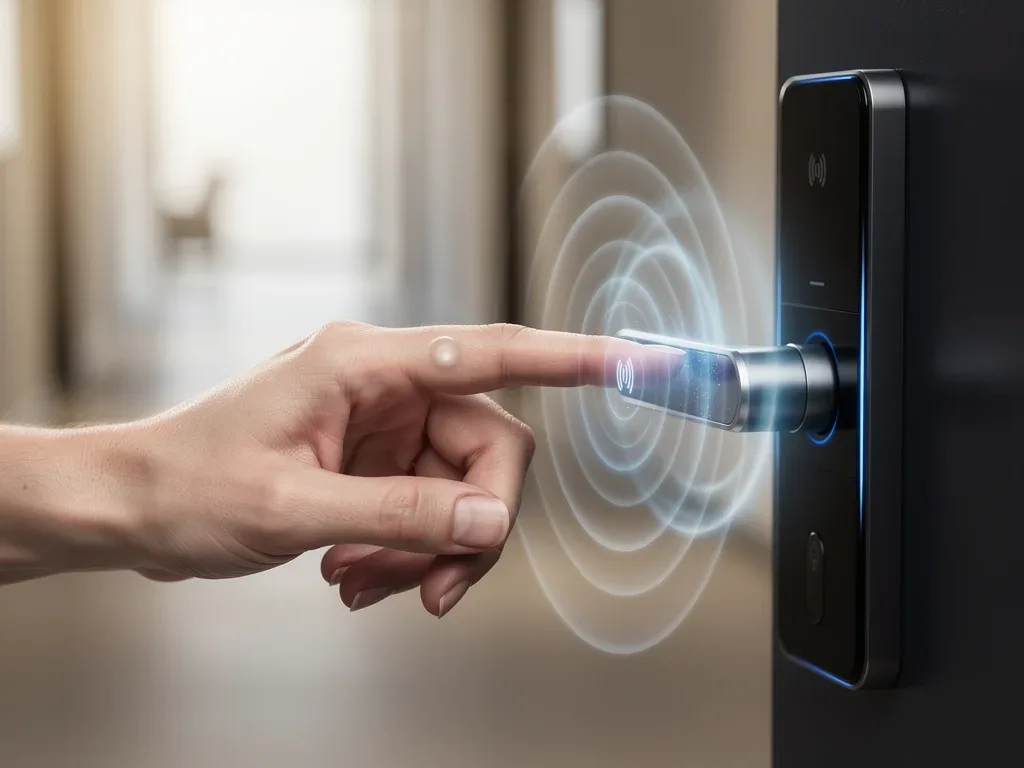
One of the most common applications for subdermal RFID and NFC implants is streamlining access. Users can unlock their homes, cars, or office doors with a simple wave of their hand, eliminating the need for keys or keycards.
This convenience extends to digital access as well, enabling password-less logins to computers or websites. The seamless integration into daily routines is a significant driver of adoption for these implants.
The ability to carry essential access credentials invisibly and securely within one's body offers a level of convenience previously only imagined in science fiction.
Digital Identity and Security Enhancements
Beyond convenience, subdermal RFID and NFC implants are increasingly used for digital identity and security. Advanced implants like the VivoKey Apex can store cryptographic keys, enabling strong two-factor authentication or digital signatures.
This provides an immutable form of digital identity that is difficult to forge or compromise. For body hackers concerned with privacy and digital security, these implants offer a robust solution.
The enhanced security features are particularly appealing in an era where digital breaches and identity theft are growing concerns.
The Future Outlook for Subdermal Implants in 2026
Looking ahead to 2026 and beyond, the trajectory for subdermal RFID and NFC implants suggests continued innovation and broader acceptance. Miniaturization, enhanced functionality, and improved biocompatibility will remain key areas of development.
The integration with emerging technologies such as biometric sensors and personalized health monitoring could transform these implants from simple identifiers into comprehensive personal data hubs. Regulatory frameworks will also play a crucial role in shaping their future.
As the technology matures, discussions around privacy, data security, and ethical implications will intensify, requiring thoughtful consideration from developers, users, and policymakers alike.
Technological Advancements and Challenges
Future implants are likely to feature smaller footprints, longer battery life (for active implants), and increased data storage capacity. Wireless charging and more advanced encryption methods are also on the horizon, enhancing both usability and security.
Challenges include addressing public perception, developing standardized protocols for interoperability, and ensuring robust data protection. The ongoing dialogue between innovators and the public will be vital.
The push for open-source development in the biohacking community also promises to accelerate innovation and foster greater transparency in the development of subdermal RFID and NFC implants.
Key Aspect | Description |
|---|---|
Technology Focus | RFID and NFC for contactless interaction and data exchange. |
Biocompatibility | Use of medical-grade materials like borosilicate glass for safety. |
Key Implants | VivoKey Apex, Dangerous Things xNT, and NExT Implant analyzed. |
Applications | Access control, digital identity, payments, and smart device interaction. |
Frequently Asked Questions About Subdermal Implants
What are the primary uses for subdermal RFID and NFC implants?▼
Subdermal RFID and NFC implants are primarily used for convenience, such as unlocking doors or devices, and for digital identification. They can also facilitate cashless payments and secure digital authentication, offering a hands-free interaction with the digital world. Body hackers often customize their uses.
Are subdermal implants safe and biocompatible?▼
The popular subdermal RFID and NFC implants discussed utilize medical-grade, inert materials like borosilicate glass, ensuring high biocompatibility. While implantation carries minor risks, the materials themselves are designed for long-term safety within the human body, minimizing adverse reactions according to current standards.
How do VivoKey Apex, xNT, and NExT implants differ?▼
The VivoKey Apex offers advanced cryptographic security for digital identity. The xNT is a simple NFC solution for basic convenience. The NExT implant combines both LF RFID and HF NFC in one device, providing broader compatibility for various access and interaction systems, appealing to diverse body hackers.
What are the ethical considerations surrounding these implants?▼
Ethical considerations for subdermal RFID and NFC implants include privacy concerns regarding data storage, potential for surveillance, and the implications of merging technology with the human body. Discussions also revolve around informed consent, potential social inequalities, and the long-term societal impact of widespread adoption.
What future developments can be expected in this field?▼
Future developments for subdermal RFID and NFC implants likely include further miniaturization, enhanced security features, and integration with health monitoring. Improved wireless power solutions and more sophisticated data capabilities are also anticipated, expanding their utility and pushing the boundaries of human-computer interaction for body hackers.
Perspectives on Subdermal RFID and NFC Implants
The landscape of subdermal RFID and NFC implants is undeniably dynamic, marked by continuous innovation and growing interest.
As we move further into 2026, the focus will remain on enhancing functionality, ensuring robust security, and upholding the highest standards of biocompatibility for these devices. The ongoing dialogue surrounding these technologies will shape their integration into society.
For individuals and body hackers considering these implants, understanding the technical specifications and ethical implications is crucial.
The advancements seen in microchips like the VivoKey Apex, xNT, and NExT highlight a future where personal technology is not just worn, but integrated, redefining convenience and digital interaction.
Monitoring regulatory developments and community discussions will be key to navigating this evolving field. The journey of subdermal RFID and NFC implants is far from over, promising further transformative changes in how humans interact with their digital environments.