Mastering Modern Suspension Art: 5 Crucial Safety Protocols
Advertisements
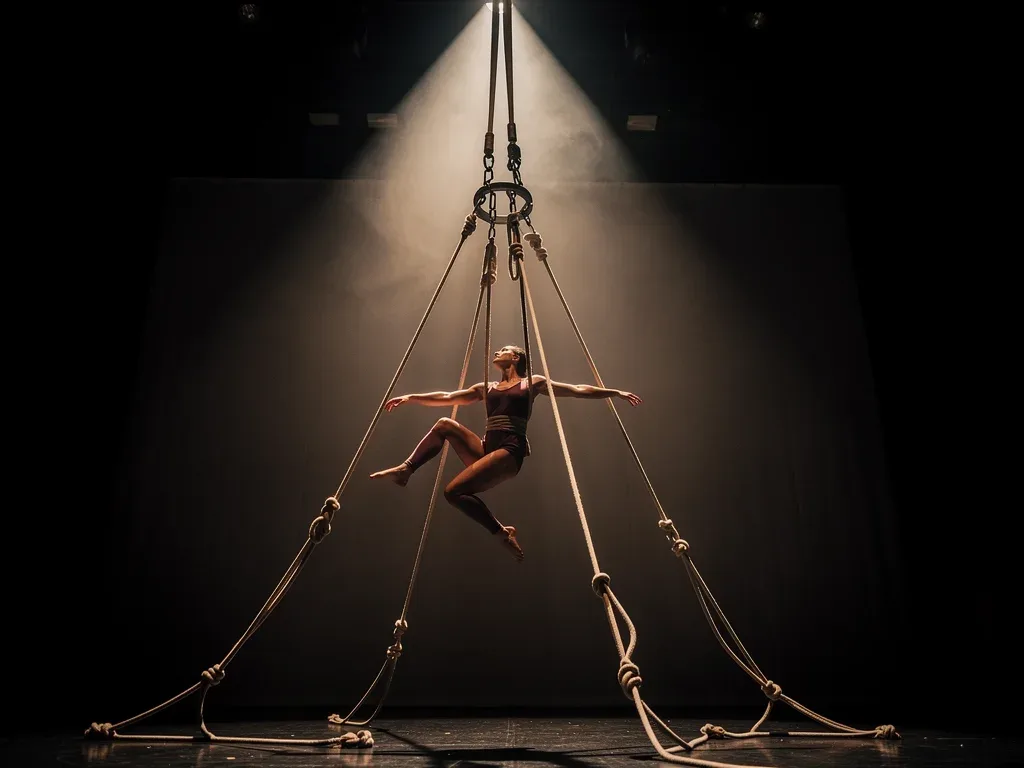
Practicing suspension art demands extreme precision, where rigorous technical planning transforms creative human expression into a completely safe experience.
Professional riggers rely on specialized load-bearing hardware and strict sterilizing procedures to manage every lift securely. Adopting modern structural safety measures protects practitioners while preventing dynamic force risks during suspension.
Mastering these essential anchor standards and safety protocols ensures every session remains controlled, seamless, and entirely risk-averse.
Elevating Safety Standards in Suspension Art
Modern suspension art, a captivating and intense performance modality, has always required an inherent understanding of risk. This year, the community witnessed a significant shift towards more rigorous safety measures, particularly from underground riggers.
These professionals, often working outside mainstream venues, have historically pioneered techniques. Their recent adoption of five crucial safety protocols marks a pivotal moment for the art form, focusing intensely on participant well-being.
The proactive implementation of these enhanced guidelines underscores a collective commitment to both artistic expression and the paramount importance of human safety, setting new benchmarks for the entire suspension art community.
The Genesis of Enhanced Protocols
The evolution of safety in suspension art is a continuous process, driven by experience and technological advancements. Incidents, though rare, have consistently highlighted areas for improvement, leading to a more formalized approach to risk management.
The underground rigging community, known for its innovation, has spearheaded these changes. Their deep practical knowledge and direct involvement with the art form make them uniquely qualified to identify and implement effective safety measures.
This year's focus on Mastering Modern Suspension Art stems from a growing demand for standardization and accountability, ensuring that daring artistic feats do not compromise human life.
Rigorous Equipment Certification
One of the foundational protocols involves stringent equipment certification, moving beyond basic checks to include comprehensive material science testing. This ensures every component, from hooks to harnesses, meets or exceeds industrial safety standards.
This means that riggers are now required to maintain detailed logs of equipment usage, inspection dates, and stress tests. The aim is to prevent failures due to material fatigue or manufacturing defects, a critical step in safeguarding participants.
Regular third-party inspection of all load-bearing components.
Mandatory retirement of equipment after a specified number of uses or time.
Traceability of all gear to its manufacturer and batch number.
The commitment to certified equipment directly contributes to Mastering Modern Suspension Art, establishing a baseline of physical security. Without this rigorous oversight, even the most skilled rigger faces unnecessary risks, highlighting the protocol's significance.
Comprehensive Pre-Suspension Assessments
Before any suspension takes place, exhaustive assessments are now mandatory, covering both the artist's physical and psychological state, and the structural integrity of the suspension point. This holistic approach ensures readiness on all fronts.
Artists undergo detailed medical evaluations and psychological screenings to confirm their suitability for the intense demands of suspension. Simultaneously, structural engineers are consulted to verify the safety of ceilings, beams, or natural anchor points.
This protocol emphasizes a proactive stance, identifying potential vulnerabilities before they can manifest during a performance. It's a critical layer of protection that goes beyond mere physical preparation, encompassing mental resilience and environmental stability.
Artist Health and Wellness Checks
Artists are now subject to mandatory pre-suspension health checks, including vital signs, hydration levels, and a review of any pre-existing conditions. This ensures they are in peak physical condition for the demands of the art.
Psychological wellness is also assessed, recognizing the mental fortitude required for suspension. Riggers work closely with artists to ensure they are mentally prepared and fully consenting, free from duress.
Detailed medical history review and current health status.
Psychological readiness assessment by trained professionals.
Clear communication of risks and artist's right to withdraw at any time.
These health and wellness checks are integral to Mastering Modern Suspension Art, emphasizing that the artist's well-being is paramount. It shifts the focus from merely executing a performance to ensuring a safe and consensual experience.
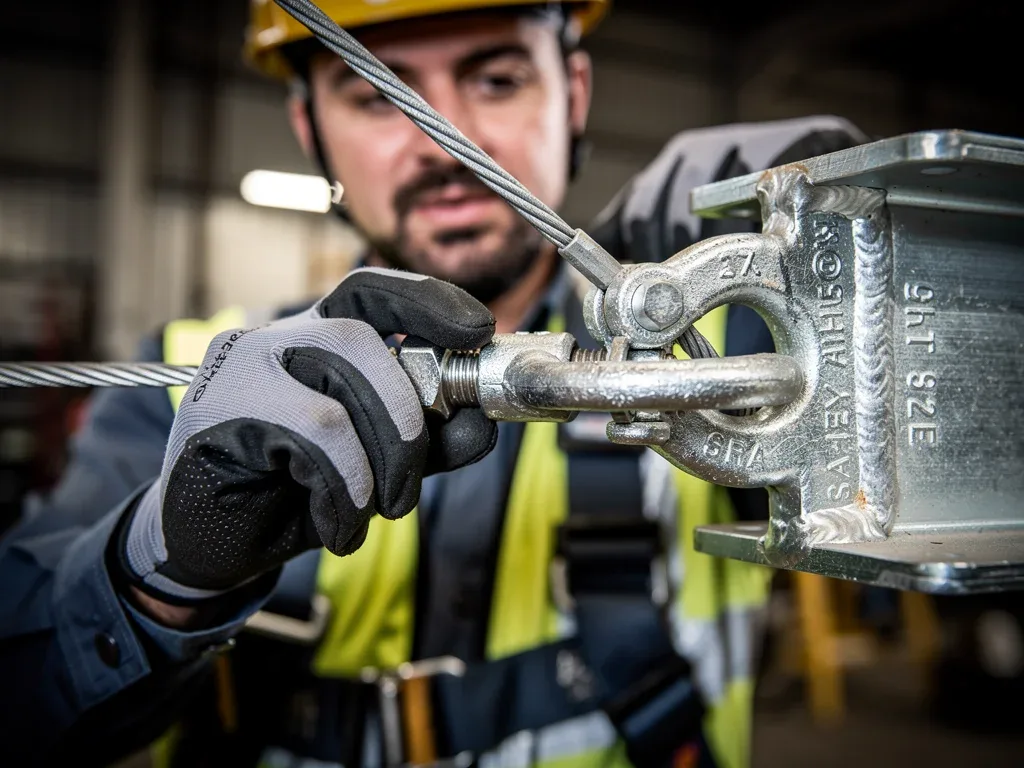
Structural integrity assessments are equally vital, involving thorough inspections of the environment where the suspension will occur. This includes evaluating the load-bearing capacity of anchor points and the overall stability of the structure.
Mandatory Emergency Response Planning
Every suspension event now requires a detailed, documented emergency response plan, developed in consultation with local emergency services. This plan covers a wide range of potential scenarios, from equipment failure to medical emergencies.
Riggers and support staff undergo regular training in first aid, CPR, and specialized rescue techniques relevant to suspension. Drills are conducted to ensure that all personnel can execute the emergency plan swiftly and effectively under pressure.
This proactive planning is a cornerstone of Mastering Modern Suspension Art, transforming a potentially chaotic situation into a managed response. It provides a clear framework for action, minimizing reaction time in critical moments.
Rapid Intervention Teams
Dedicated rapid intervention teams are now a standard requirement for all suspension performances. These teams consist of trained riggers and medical personnel, positioned to respond immediately to any unforeseen event.
Their roles include swift disentanglement, safe lowering procedures, and immediate medical attention. The teams are equipped with specialized tools and communication systems to coordinate their efforts efficiently.
Designated personnel for immediate emergency response.
Specialized training in rescue techniques for suspended individuals.
Access to medical supplies and communication devices on-site.
The presence of rapid intervention teams significantly enhances the safety net, demonstrating a commitment to Mastering Modern Suspension Art. This ensures that help is not just available, but also highly specialized and immediately deployable.
Continuous Training and Skill Refinement
The art of rigging is dynamic, requiring continuous learning and adaptation to new techniques and materials. This year, riggers have committed to ongoing professional development, including advanced workshops and peer reviews.
This commitment ensures that riggers remain at the forefront of safety practices, constantly refining their skills and staying updated on the latest industry innovations. It's a never-ending pursuit of excellence in a field where precision is paramount.
Through mentorship programs and collaborative learning, experienced riggers share their knowledge with newer practitioners. This fosters a culture of continuous improvement, where best practices are disseminated and rigorously upheld.
Advanced Rigging Techniques and Materials
Riggers are actively exploring and adopting advanced rigging techniques, such as redundant systems and specialized knotting methods, to further enhance safety margins. These innovations provide additional layers of protection against unforeseen failures.
The use of cutting-edge materials, like high-strength synthetic ropes and aerospace-grade carabiners, is also becoming standard. These materials offer superior strength-to-weight ratios and increased durability, pushing the boundaries of what's possible safely.
Implementation of redundant rigging systems for fail-safe operations.
Exploration of new materials with enhanced strength and durability.
Regular workshops on advanced knot theory and load distribution.
This dedication to advanced techniques and materials is central to Mastering Modern Suspension Art. It reflects a proactive approach to safety, continually seeking ways to make the art form more secure.
Transparent Communication and Documentation
Open and honest communication is now a mandatory protocol, ensuring that all participants, from artists to crew and audience, are fully informed about the risks and safety measures in place. This fosters trust and informed consent.
Comprehensive documentation of every aspect of a suspension, from planning to execution and debriefing, is also required. This creates a valuable knowledge base for future reference and continuous improvement.
This protocol emphasizes accountability and clarity, moving away from assumptions to a system where every detail is recorded and shared. It's about building a foundation of transparency that benefits everyone involved in the art form.
Detailed Risk Disclosure
Artists and support staff receive detailed risk disclosure forms, outlining every conceivable risk associated with suspension art. This ensures a complete understanding of potential dangers and the measures taken to mitigate them.
Audience members are also informed about the nature of the performance and any associated risks, often through disclaimers and safety briefings. This transparency extends to all stakeholders, promoting a culture of awareness.
Mandatory pre-performance briefings for all participants.
Clear and accessible risk disclosure forms.
Public information on safety measures for audience awareness.
Detailed risk disclosure is a vital component of Mastering Modern Suspension Art, ensuring that all parties are fully aware and consenting. It underscores the ethical responsibility inherent in this powerful art form.
The Impact on the Art Form
The implementation of these five crucial safety protocols by underground riggers has profound implications for the future of suspension art. It elevates the art form's legitimacy and accessibility, attracting new artists and a broader audience.
By prioritizing safety without compromising artistic vision, the community demonstrates a mature and responsible approach. This fosters innovation within a secure framework, allowing artists to explore new boundaries with greater confidence.
Ultimately, these protocols ensure the sustainability of suspension art, transforming it from a niche, high-risk activity into a recognized and respected performance art. It's a testament to the dedication of those who practice and support it.
The enhanced safety measures also serve as a model for other extreme performance arts, demonstrating that rigorous protocols can coexist with radical artistic expression. This broader influence highlights the significance of Mastering Modern Suspension Art.
This commitment to safety also encourages collaboration with official bodies and academic institutions, leading to further research and development in rigging technology and human physiology under suspension. It's a positive feedback loop that continually improves standards.
Key Protocol | Brief Description |
|---|---|
Certified Equipment | Mandatory use and regular inspection of certified, high-grade rigging gear. |
Pre-Suspension Assessments | Thorough health checks for artists and structural integrity evaluations of anchor points. |
Emergency Planning | Comprehensive, rehearsed plans for rapid response to medical or equipment failures. |
Continuous Training | Ongoing skill refinement and adoption of advanced techniques by all riggers. |
Frequently Asked Questions on Suspension Art Safety
What exactly does 'Mastering Modern Suspension Art' entail?▼
It refers to the recent implementation of five key safety measures by non-mainstream riggers to enhance protection in suspension art. These protocols cover equipment, artist assessment, emergency response, continuous training, and transparent communication, aiming to elevate overall safety standards in the practice.
Why is continuous training important for suspension art riggers?▼
Continuous training is crucial because rigging techniques and materials constantly evolve. It ensures riggers stay updated on best practices, new technologies, and advanced safety methods, directly contributing to the effectiveness of Mastering Modern Suspension Art: 5 Crucial Safety Protocols Underground Riggers Adopted This Year. This ongoing education minimizes risks.
How do pre-suspension assessments protect artists?▼
Pre-suspension assessments involve thorough medical and psychological evaluations of artists, alongside structural checks of anchor points. This holistic approach ensures artists are physically and mentally prepared, and the environment is safe, preventing unforeseen issues during performance and aligning with Mastering Modern Suspension Art.
What role does transparent communication play in safety protocols?▼
Transparent communication ensures all participants, including artists, crew, and audience, are fully informed about risks and safety measures. This fosters trust, informed consent, and accountability. It's a core element of Mastering Modern Suspension Art, promoting a culture of awareness and shared responsibility.
Are these new protocols only for underground riggers, or do they apply more broadly?▼
While pioneered by underground riggers, these protocols are setting new benchmarks for the entire suspension art community. Their comprehensive nature makes them highly applicable and beneficial for all practitioners, aiming to unify and elevate safety standards across the board in Mastering Modern Suspension Art.
Impact and Implications
The adoption of these five crucial safety protocols by underground riggers marks a significant inflection point for modern suspension art. It underscores a collective maturation within the community, prioritizing human life and well-being above all else.
This proactive stance is expected to broaden the art form's appeal and foster greater collaboration with mainstream institutions, further legitimizing its place in alternative culture.
The commitment to Mastering Modern Suspension Art will undoubtedly shape its evolution for years to come, offering a safer, more sustainable future for artists and audiences alike.
The enhanced safety measures also serve as a model for other extreme performance arts, demonstrating that rigorous protocols can coexist with radical artistic expression. This broader influence highlights the significance of Mastering Modern Suspension Art.
This commitment to safety also encourages collaboration with official bodies and academic institutions, leading to further research and development in rigging technology and human physiology under suspension. It's a positive feedback loop that continually improves standards.