Underground Fashion’s Digital Frontier: 5 Metaverse and NFT Projects to Watch Closely in 2026.
Advertisements
Are you ready to wear garments that defy the laws of gravity and physics? Underground Fashion is officially claiming its territory on the digital frontier, merging counterculture style with decentralized technology to completely rewrite the rules of personal expression.
This virtual style revolution is moving far beyond simple video game skins. Independent subculture labels and avant-garde creators are launching highly exclusive phygital collections, leveraging immersive virtual worlds to offer decentralized ownership of truly unique cyber-garments.
As blockchain-backed design houses unveil their latest interactive roadmaps, the intersection of style and Web3 is hitting an all-time high. Here are the five pioneering immersive style spaces and tokenized apparel collections you need to watch closely this year.
The Rise of Digital Subcultures in Fashion
The convergence of technology and counter-culture is accelerating, creating new avenues for expression within the digital realm.
Underground fashion, traditionally defined by its subversive nature and independence from mainstream trends, finds a fertile ground in the metaverse and NFT spaces.
These digital platforms offer unprecedented freedom for designers and consumers to experiment with identity, aesthetics, and ownership. The ability to create, trade, and showcase unique digital garments and accessories is redefining what it means to be fashionable off the beaten path.
As we approach 2026, the influence of these digital subcultures is set to expand dramatically, impacting both virtual and physical fashion ecosystems. Understanding these emerging projects is crucial for anyone keen on the future of style.
Project 1: The Fabricant – Pioneering Digital Couture
The Fabricant has consistently been at the forefront of digital-only fashion, pushing boundaries since its inception.
Their focus on hyper-realistic digital garments and immersive fashion experiences positions them as a key player in the evolving landscape of Underground Fashion Metaverse initiatives.
By leveraging advanced 3D design and blockchain technology, The Fabricant enables creators to mint unique digital pieces as NFTs, fostering a new economy for virtual haute couture.
Their collaborations with established brands and independent artists demonstrate a commitment to both innovation and accessibility.
For 2026, expect The Fabricant to further integrate AI into their design processes, offering even more personalized and dynamic digital fashion experiences. Their influence on how digital identity is expressed through clothing will only grow.
Virtual Showcases and Collectible NFTs
The Fabricant hosts groundbreaking virtual fashion shows, presenting collections that defy physical limitations. These events are not merely spectacles but also launchpads for highly sought-after NFT drops, allowing collectors to own unique pieces of digital art and fashion.
Their approach emphasizes scarcity and provenance, core tenets of the NFT market, ensuring that each digital garment holds intrinsic value.
This model empowers designers and provides collectors with exclusive assets that represent a new form of cultural capital within the Underground Fashion Metaverse.
- Exclusive digital garment drops frequently sell out within minutes.
- Collaborations with global artists enhance their creative scope.
- Their platform supports emerging designers in digital fashion.
Project 2: DressX – Democratizing Digital Wardrobes
DressX is rapidly becoming a household name in digital fashion, aiming to reduce physical waste by promoting virtual clothing.
Their platform allows users to ‘try on’ and purchase digital garments for use in photos and videos, blurring the lines between the digital and physical self.
The appeal of DressX lies in its practicality for social media and its commitment to sustainability, resonating deeply with a generation that values conscious consumption. Their accessible approach makes digital fashion a reality for a broader audience, not just high-end collectors.
By 2026, DressX is projected to expand its integration into various metaverse platforms, offering a seamless experience for users to dress their avatars in cutting-edge digital designs. This expansion will solidify their role in the Underground Fashion Metaverse.
Sustainability and Accessibility in Digital Fashion
DressX champions the idea of a digital-only wardrobe as a sustainable alternative to fast fashion. By providing an extensive catalog of digital garments, they empower consumers to express their style without contributing to environmental degradation, a key concern for many.
Their user-friendly interface and diverse range of styles make digital fashion accessible to a wide demographic, from casual social media users to professional content creators.
This broad appeal is crucial for the mainstream adoption of digital clothing and its integration into everyday digital life.
- Offers a wide range of styles from various digital designers.
- Promotes sustainable fashion practices through digital alternatives.
- Integrates with social media for easy digital try-on experiences.
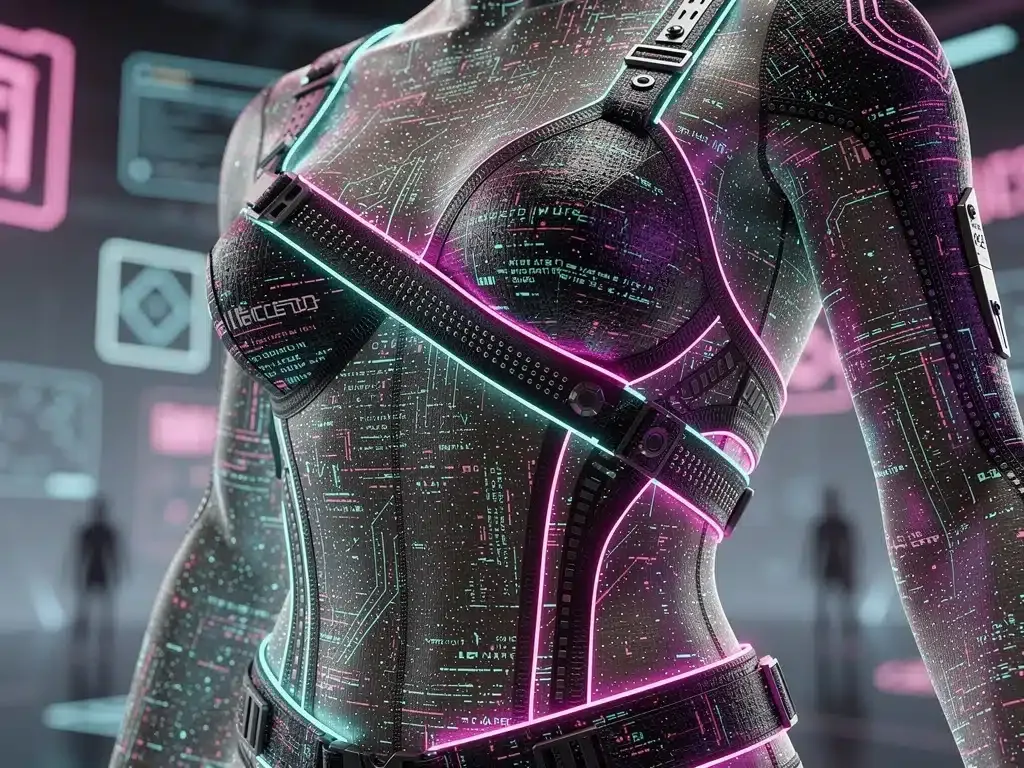
Project 3: RTFKT Studios – Blending Streetwear with NFTs
RTFKT Studios, now part of Nike, has made significant waves by merging high-end streetwear aesthetics with collectible NFTs and metaverse integration. Their futuristic sneakers and apparel, often accompanied by physical counterparts, represent a compelling hybrid model.
Their innovative approach to product drops and community engagement has cultivated a dedicated following of collectors and fashion enthusiasts. RTFKT’s ability to create hype and scarcity around their digital assets has set new benchmarks for digital collectibles in the fashion space.
By 2026, RTFKT’s influence, backed by Nike’s resources, will likely lead to widespread adoption of digital wearables in gaming and social metaverse platforms. This makes them a critical entity in the evolution of Underground Fashion Metaverse culture.
Exclusive Drops and Community Engagement
RTFKT’s strategy revolves around highly anticipated drops that often combine digital NFTs with physical items, creating a unique value proposition for collectors. These drops are frequently accompanied by engaging AR experiences and community events within virtual spaces.
The strong sense of community fostered by RTFKT is a testament to their understanding of modern consumer behavior and the power of digital ownership. Their projects are not just about buying digital items, but about participating in a movement that redefines fashion and collectibles.
- Known for highly exclusive and sought-after digital sneaker NFTs.
- Successfully integrates physical and digital product offerings.
- Cultivates a strong, engaged community of collectors and fans.
Project 4: Digitalax – Decentralized Autonomous Fashion
Digitalax is building a decentralized fashion operating system, aiming to empower independent designers and creators through blockchain technology. They are focused on creating an open and equitable ecosystem for digital fashion, moving away from centralized control.
Their vision includes a metaverse fashion economy where creators can monetize their designs directly, and users have true ownership of their digital assets.
This democratic approach aligns perfectly with the ethos of underground fashion, which often champions independent artistry.
For 2026, Digitalax is expected to significantly expand its network of decentralized designers and marketplaces, becoming a foundational layer for the truly independent Underground Fashion Metaverse. Their impact on creator royalties and ownership will be substantial.
Empowering Independent Digital Designers
Digitalax provides tools and infrastructure for designers to create, mint, and sell their digital fashion pieces as NFTs without intermediaries. This direct-to-consumer model allows creators to retain a larger share of their earnings and maintain full creative control over their work.
The platform also facilitates interoperability, meaning digital garments created on Digitalax can potentially be used across various metaverse environments. This cross-platform utility is a game-changer for digital fashion, enhancing the value and versatility of NFT wearables.
- Offers a decentralized marketplace for digital fashion NFTs.
- Empowers independent designers with direct monetization.
- Focuses on interoperability for digital garments across metaverses.
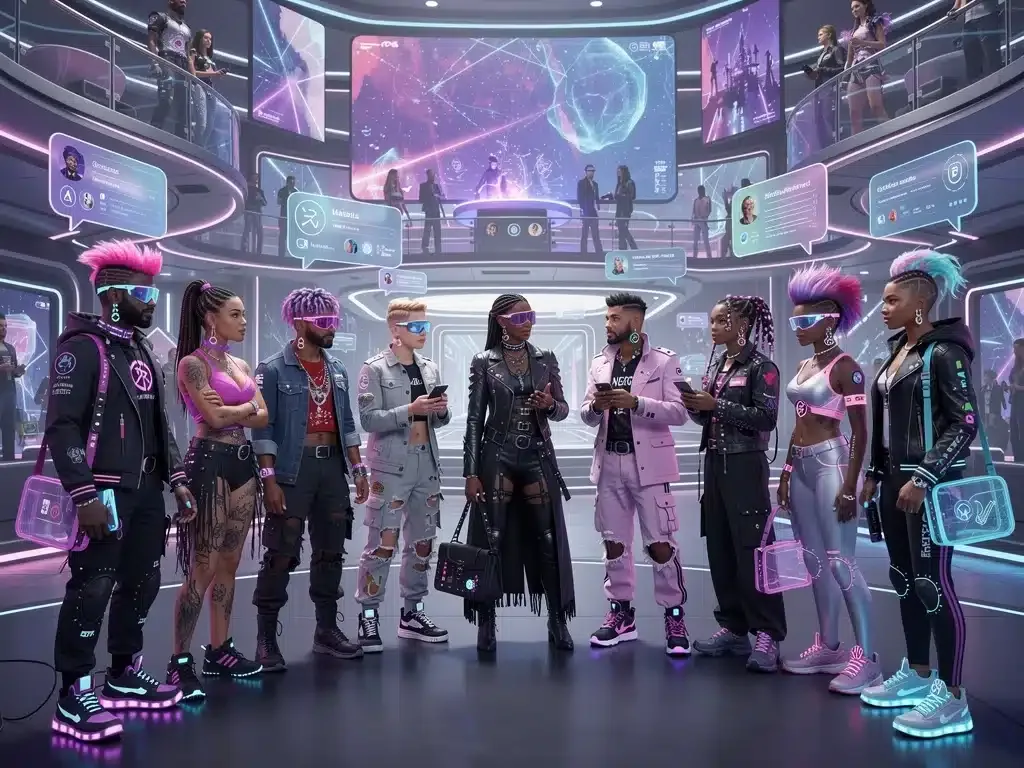
Project 5: Cult & Rain – Luxury Streetwear in the Metaverse
Cult & Rain is carving out a niche for luxury streetwear within the metaverse, offering high-quality digital wearables that blend craftsmanship with cutting-edge design. Their collections often draw inspiration from real-world subcultures, reinterpreting them for digital identities.
The brand focuses on limited-edition drops and exclusive access, creating a sense of prestige and community among its collectors.
Their commitment to detailed digital rendering ensures that their pieces stand out in any virtual environment, appealing to discerning digital fashion connoisseurs.
By 2026, Cult & Rain is poised to be a leading voice in how luxury and exclusivity are translated into the digital realm, particularly for those seeking a sophisticated edge in the Underground Fashion Metaverse. Their influence on high-end digital styling will be notable.
Exclusive Digital Collectibles and Brand Identity
Cult & Rain differentiates itself through its emphasis on design excellence and the creation of strong brand narratives around its digital collections. Each NFT drop is not just a digital item, but a statement piece that contributes to a larger digital identity.
Their strategy often involves collaborations with prominent digital artists and influencers, further solidifying their position as a tastemaker in the digital luxury streetwear segment.
The brand’s ability to evoke a sense of aspiration in the metaverse is a key factor in its growing success.
- Specializes in luxury digital streetwear and accessories.
- Offers limited-edition NFT drops with high design quality.
- Builds a strong brand identity within the metaverse fashion scene.
Challenges and Opportunities in Digital Fashion
While the potential for Underground Fashion is immense, several challenges persist. These include the technical complexities of interoperability across different metaverse platforms, ensuring true digital ownership, and mitigating potential environmental impacts of blockchain technology.
However, these challenges also present significant opportunities for innovation.
Developers are actively working on solutions for seamless cross-platform asset transfer and more energy-efficient blockchain protocols. The continuous evolution of these technologies will define the future landscape.
The market for digital fashion is still nascent but growing rapidly, attracting significant investment and creative talent. As more users flock to virtual worlds, the demand for unique and expressive digital identities will only intensify, fueling further growth and innovation.
Interoperability and User Experience
One of the primary technical hurdles facing the broader adoption of digital fashion is interoperability. The ability to seamlessly use a digital garment across various metaverse platforms and games is crucial for maximizing its value and utility for consumers.
Projects are investing heavily in developing standards and protocols that will allow digital assets to move freely between different virtual environments. A smooth and intuitive user experience will be paramount for widespread acceptance of digital fashion.
- Cross-platform compatibility remains a key technical challenge.
- Efforts are underway to establish universal digital asset standards.
- User-friendly interfaces are vital for broader market adoption.
The Economic Impact of Digital Wearables
The economic model underlying Underground Fashion is multifaceted, encompassing direct sales of NFTs, royalty streams for creators, and secondary market trading. This new economy offers significant financial incentives for designers and investors alike.
Brands are increasingly recognizing the revenue potential of digital collectibles, using them as a new stream of income and a powerful marketing tool. The scarcity and uniqueness inherent in NFTs drive demand and often lead to significant appreciation in value over time.
Furthermore, the ability to fractionalize ownership of high-value digital assets could democratize investment in digital fashion. This allows a broader range of participants to engage with and benefit from the burgeoning digital fashion market.
Investment and Market Dynamics
The market for digital wearables and fashion NFTs is characterized by its dynamic nature and rapid evolution. Early investors have seen substantial returns, attracting more capital into the sector, which in turn fuels further innovation and project development.
Understanding the market dynamics, including demand drivers, rarity factors, and community sentiment, is crucial for both creators and collectors. The speculative nature of some NFT markets also highlights the need for careful due diligence and informed decision-making.
- NFTs provide new revenue streams and marketing opportunities for brands.
- Secondary markets for digital fashion are growing robustly.
- Fractional ownership could open digital fashion investment to more people.
Future Trends in Digital Underground Fashion
Looking towards 2026, several key trends will shape the trajectory of Underground Fashion. We anticipate a greater emphasis on personalized digital identities, where AI-powered design tools allow users to co-create unique garments.
The integration of haptic feedback and augmented reality will also enhance the immersive experience of digital fashion, bridging the gap between virtual and physical sensations. Imagine ‘feeling’ the texture of a digital jacket or seeing your avatar’s outfit seamlessly overlaid on your physical self.
Moreover, the rise of decentralized autonomous organizations (DAOs) in fashion could lead to community-governed brands, where design decisions and brand direction are collectively determined by token holders. This represents a truly democratic future for fashion.
AI, AR, and Community Governance
Artificial intelligence is set to revolutionize digital fashion design, enabling rapid prototyping and personalized recommendations. AI algorithms can analyze trends, generate new designs, and even create bespoke garments tailored to individual avatar preferences.
Augmented reality (AR) will play a crucial role in bringing digital fashion into our physical world, allowing us to visualize and interact with virtual garments in real-time. This technology will enhance both the shopping experience and the way we perceive digital style.
- AI will drive personalized digital fashion design and creation.
- AR will bridge digital fashion with real-world experiences.
- DAOs could lead to community-owned and governed fashion brands.
| Project | Key Focus |
|---|---|
| The Fabricant | Digital couture and immersive fashion experiences. |
| DressX | Sustainable digital wardrobes for social media. |
| RTFKT Studios | Streetwear NFTs and metaverse integration. |
| Digitalax | Decentralized fashion operating system for creators. |
Frequently Asked Questions About Digital Fashion’s Future
What defines underground fashion in the metaverse?▼Underground fashion in the metaverse is characterized by its rebellious spirit, experimental designs, and detachment from mainstream digital trends. It often involves unique NFT garments, avatar customization that challenges norms, and participation in niche virtual communities. These projects prioritize artistic expression and digital identity over commercial viability.
How do NFTs contribute to digital fashion ownership?▼NFTs provide verifiable digital ownership of fashion assets, ensuring scarcity and authenticity in the metaverse. When you own a fashion NFT, it’s recorded on a blockchain, proving you are the sole owner of that specific digital item. This allows for trading, collecting, and showcasing unique virtual garments with true provenance.
Will digital fashion replace physical clothing by 2026?▼It’s highly unlikely that digital fashion will entirely replace physical clothing by 2026. Instead, it is expected to complement and interact with traditional fashion. Digital wearables will primarily serve purposes within virtual environments, social media, and gaming, while physical clothing will continue to fulfill functional and tactile needs in the real world. The two will likely co-exist and influence each other.
What is interoperability in the context of metaverse fashion?▼Interoperability in metaverse fashion refers to the ability to use a digital garment or accessory across different virtual platforms and games seamlessly. Currently, many digital assets are confined to specific platforms. Achieving true interoperability is crucial for digital fashion to reach its full potential, allowing users to carry their unique styles across their entire digital presence.
How can independent designers enter the digital fashion space?▼Independent designers can enter the digital fashion space by learning 3D design software, understanding blockchain technology, and utilizing platforms like Digitalax or The Fabricant. Creating unique digital garments, minting them as NFTs, and engaging with digital fashion communities are key steps. Collaboration with metaverse platforms and virtual influencers can also provide significant exposure for emerging talents.
Looking Ahead: The Evolving Digital Frontier
The developments within Underground Fashion indicate a profound shift in how we perceive and interact with fashion. These projects are not just creating digital clothes; they are building new economies, fostering communities, and redefining identity in virtual spaces.
The next few years will undoubtedly see these innovations mature, bringing forth more complex and immersive digital fashion experiences that will further blur the lines between the physical and the virtual. Staying informed on these trends is essential for anyone engaged with the future of style.