Why 68% of US Underground Metal Bands Are Switching Back to Tape Distribution in 2026
Advertisements
Navigating digital saturation and algorithmic streaming has pushed independent acts to seek more tangible ways to connect with their listener base. Reasserting control within the underground metal scene means turning back to analog formats that champion physical ownership, raw sonic aesthetics, and direct community engagement.
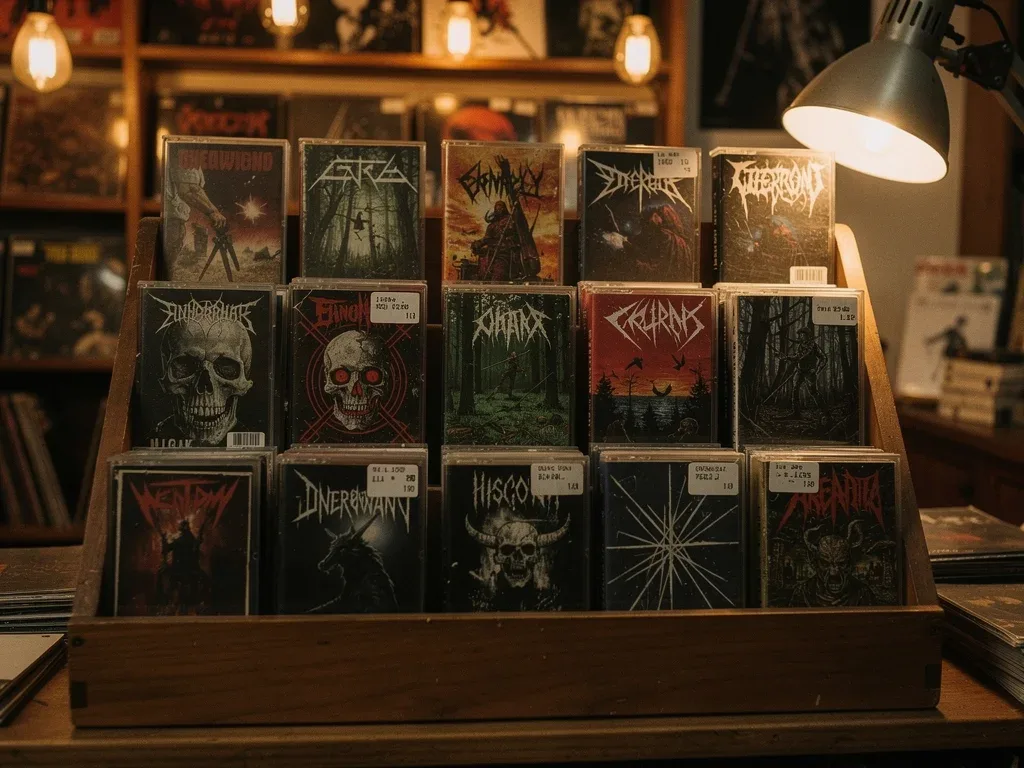
Embracing magnetic tape physical releases provides independent heavy metal artists with a low-cost, DIY distribution model that bypasses corporate gatekeepers. Distributing physical cassettes allows DIY record labels and extreme music acts to release limited-edition runs, custom j-card artwork, and collectible merch directly to fans.
Prioritizing tangible media rebuilds an authentic subculture centered around deliberate listening habits and genuine artist support. Here is why independent extreme metal bands across the United States are ditching digital-only models and shifting back to tape distribution in 2026.
Economic Advantages Driving the Tape Revival
Beyond cultural motivations, significant economic factors are compelling bands to reconsider tape distribution. For independent underground metal artists operating on tight budgets, the cost of producing and distributing music is a critical consideration. Cassettes offer a remarkably affordable entry point compared to vinyl or even CDs.
The manufacturing costs for tapes are significantly lower, allowing bands to produce small runs without substantial upfront investment.
This affordability enables artists to experiment with releases, cater to niche markets, and recoup costs more quickly, directly impacting their ability to sustain their creative endeavors. The economic viability is a major driver behind why 68% of US underground metal bands are switching back to tape distribution in 2026.
Moreover, the profit margins on tape sales are often higher for bands, as they typically sell directly to fans or through independent distributors who offer more favorable terms than larger digital platforms. This financial independence allows artists to retain more of their earnings, reinvest in their music, and maintain creative control without external pressures.
Lower Production Costs for Indie Labels
The cost-effectiveness of cassette production allows smaller labels and self-releasing bands to manage their finances more efficiently. A typical run of 100 cassettes can be produced for a fraction of the cost of an equivalent vinyl pressing, making it an accessible option for emerging artists.
This financial accessibility means more bands can afford to release physical products, which in turn fuels the vibrant exchange within the underground scene. The reduced financial risk encourages greater experimentation and a higher volume of releases, contributing to the diverse soundscape of US underground metal.
Direct-to-Fan Sales and Increased Profitability
Bands can sell tapes directly at shows, through their websites, or via small online stores, bypassing many intermediaries.
Higher profit margins per unit sold, as fewer parties take a cut from the revenue.
Opportunity to bundle tapes with other merchandise, increasing overall sales and fan engagement.
The direct sales model inherent to tape distribution strengthens the financial viability of many underground metal projects. By eliminating layers of distribution and retail, bands can maximize their earnings, fostering a more sustainable ecosystem for independent music. This financial empowerment is a key reason why 68% of US underground metal bands are switching back to tape distribution in 2026.
The Aesthetic and Collectible Appeal of Cassettes
For many fans of underground metal, the appeal of physical media extends beyond just sound quality; it encompasses the entire aesthetic experience.
Cassette tapes, with their distinctive artwork, liner notes, and tactile nature, offer a unique collectible item that digital files simply cannot replicate. This tangible aspect is crucial for the genre's dedicated fanbase.
The limited-edition nature of many tape releases adds to their desirability. Fans actively seek out rare and obscure tapes, transforming music consumption into a treasure hunt. This pursuit of unique items fosters a deeper connection to the music and the artists, reinforcing the community aspect of the underground scene.
Furthermore, the aesthetic of cassette tapes aligns perfectly with the raw, often gritty visual style associated with underground metal. The format itself evokes a sense of nostalgia for a bygone era of music consumption, resonating with a demographic that appreciates authenticity and a departure from polished, mainstream aesthetics.
Unique Artwork and Packaging
Cassette J-cards often feature intricate, hand-drawn artwork that is an integral part of the band's identity. This artwork is typically designed to be viewed up close, providing an intimate visual experience that complements the auditory one. The physical packaging becomes a canvas for artistic expression.
Many bands also include handwritten notes, lyrics, or small inserts with their tape releases, offering fans an exclusive glimpse into their creative process.
These small details enhance the collectible value and deepen the fan's engagement with the music, solidifying why 68% of US underground metal bands are switching back to tape distribution in 2026.
The Rise of Tape-Exclusive Content
Some bands release demo versions or unreleased tracks exclusively on cassette, creating a unique incentive for collectors.
Limited-run tapes often become highly sought-after items, increasing their value on the secondary market.
Special packaging or unique color schemes for cassettes can turn them into artistic objects in their own right.
The concept of tape-exclusive content further enhances the format's appeal. By offering material that cannot be found elsewhere, bands create a compelling reason for fans to purchase and collect tapes. This strategy not only boosts sales but also reinforces the sense of exclusivity and special connection that defines the underground metal community.
Community Building and Fan Engagement
The return to tape distribution is not just about economics or aesthetics; it's fundamentally about strengthening the community within the US underground metal scene. Cassettes facilitate direct interactions between bands and fans, fostering a sense of belonging and mutual support that is often diluted in the digital realm.
This emphasis on community is a core reason why 68% of US underground metal bands are switching back to tape distribution in 2026.
Selling tapes at live shows, through fanzines, or via small independent distros creates numerous opportunities for personal connections.
Fans can chat directly with band members, discover new music through recommendations, and feel like active participants in a vibrant subculture. This hands-on approach builds loyalty and a dedicated fanbase.
The exchange of tapes also revitalizes the tradition of tape trading, a practice central to the growth of underground music scenes before the internet era. This informal network allows music to spread organically through word-of-mouth, building a grassroots following that is authentic and deeply invested.
Reviving the Spirit of Tape Trading
Tape trading was instrumental in the global spread of underground metal in its formative years. The resurgence of cassettes brings back this vital practice, allowing fans to discover new bands and share music in a more personal and curated way. This analog networking builds stronger connections than algorithmic recommendations ever could.
This renewed interest in tape trading also fosters a sense of discovery and exploration. Fans actively seek out new bands and exchange recommendations, contributing to a more dynamic and interactive music ecosystem.
The physical act of swapping tapes creates a tangible link between enthusiasts, a key factor in why 68% of US underground metal bands are switching back to tape distribution in 2026.
Strengthening Independent Distribution Networks
Small independent labels and distros are experiencing a renaissance due to increased demand for cassettes.
These networks often operate on a non-profit or low-profit basis, driven by a passion for the music and the scene.
They provide a crucial platform for lesser-known bands to reach a dedicated audience that values physical media.
The growth in tape distribution is bolstering independent distribution networks, which are vital for the health of the underground scene.
These networks act as curators and tastemakers, helping fans navigate the vast landscape of new music and discover bands that align with their specific tastes. This symbiotic relationship between artists, fans, and distributors is a cornerstone of the cassette revival.
Technological Advancements and Nostalgia
While the return to tapes might seem counter-intuitive in a digital age, it's partly facilitated by modern technology and a strong undercurrent of nostalgia.
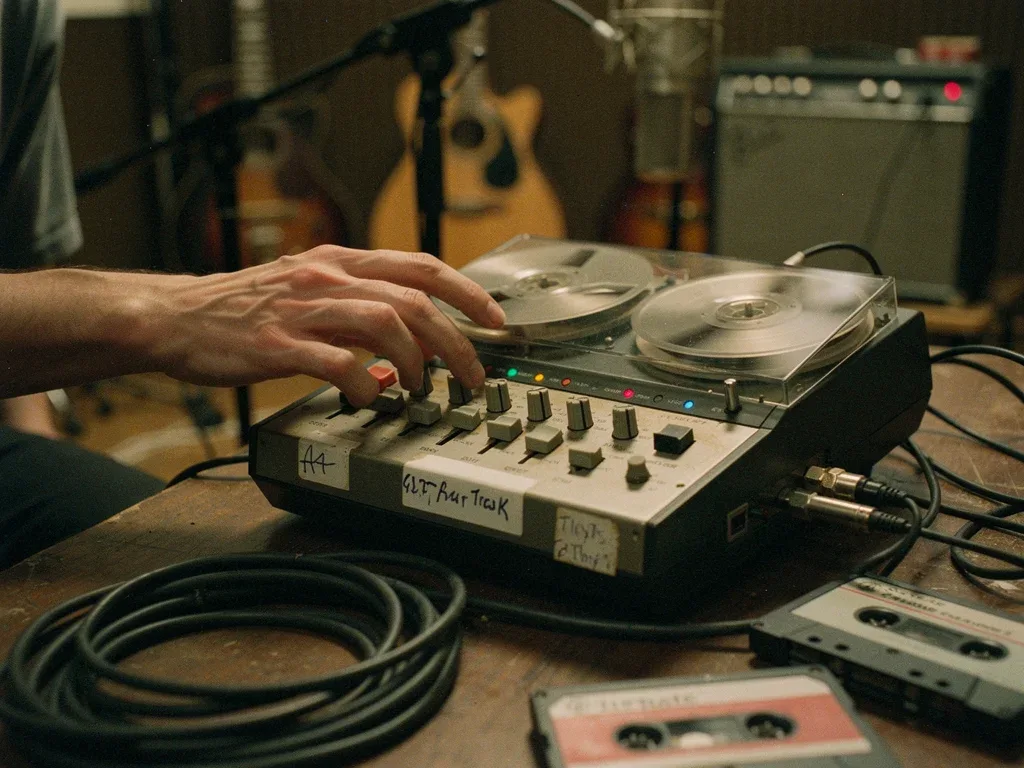
The accessibility of affordable recording equipment and duplication services has made it easier for bands to produce high-quality cassettes, blending old-school charm with contemporary convenience. This fusion of old and new contributes significantly to why 68% of US underground metal bands are switching back to tape distribution in 2026.
Many bands now record digitally but master specifically for cassette, ensuring optimal sound reproduction for the format. This hybrid approach allows them to leverage the benefits of digital recording while still delivering the warm, analog sound that many audiophiles appreciate from tapes. The fidelity of modern cassettes is often superior to those from decades past.
Moreover, the nostalgic appeal of cassettes resonates deeply with both older fans who grew up with the format and younger listeners discovering its charms for the first time.
For many, tapes represent a simpler, more authentic era of music, a stark contrast to the often-overwhelming complexity of digital streaming. This blend of practicality and sentimentality fuels the current trend.
Modern Cassette Production Techniques
Advances in cassette duplication technology mean that contemporary tapes offer improved sound quality and durability compared to their vintage counterparts. Professional duplication services can now produce high-fidelity cassettes with consistent quality, removing some of the technical limitations of earlier eras.
Bands can also customize their tapes with a wide array of shell colors, printing options, and packaging variations, making each release a unique artistic statement. This level of customization allows for greater creative freedom and enhances the collectible appeal of the format, solidifying its place in the underground metal scene.
The Retro-Cool Factor and New Audiences
Younger generations are discovering cassettes as a novel and 'retro-cool' format, distinct from their parents' digital music.
The visual and tactile experience of tapes appeals to those seeking a more engaging way to consume music.
The limited availability and physical nature of tapes create a sense of exclusivity that attracts new collectors.
The "retro-cool" factor plays a significant role in attracting new audiences to cassette tapes. For younger fans, tapes represent an authentic, tangible alternative to the ubiquitous digital landscape. This fresh perspective, combined with the format's inherent charm, is expanding the reach of underground metal and contributing to the growing number of bands adopting tape distribution.
Challenges and Criticisms of Tape Distribution
Despite its growing popularity, the return to tape distribution is not without its challenges and criticisms. While tapes offer numerous benefits for underground metal bands, they also come with inherent limitations that must be acknowledged.
Understanding these drawbacks provides a balanced perspective on why 68% of US underground metal bands are switching back to tape distribution in 2026.
One primary concern is accessibility. While tapes are affordable for bands to produce, not all fans possess the necessary equipment to play them.
In an era dominated by digital playback, acquiring a cassette player can be an additional hurdle for listeners, potentially limiting a band's reach beyond its dedicated fanbase. This niche appeal can be both a strength and a weakness.
Furthermore, the durability of cassette tapes can be a point of contention. Tapes are susceptible to wear and tear, demagnetization, and physical damage if not stored properly. This contrasts with digital files, which offer virtually indestructible playback once downloaded. Addressing these practicalities is part of the ongoing evolution of tape distribution.
Limited Playback Options for Modern Audiences
The widespread obsolescence of cassette players in mainstream electronics poses a challenge for casual listeners. While dedicated fans might invest in vintage or new cassette decks, many potential listeners might not have the means to play tapes, potentially excluding them from experiencing new music.
This limited playback infrastructure means bands often need to supplement their tape releases with digital downloads or streaming options to reach a broader audience. The tape becomes a collectible item for dedicated fans, while digital remains the primary access point for others, creating a dual distribution strategy for many artists.
Durability and Longevity Concerns
Cassette tapes can degrade over time leading to reduced sound quality or complete loss of audio.
Physical damage, such as tape tangling or breakage, can render a tape unplayable.
Proper storage is essential to preserve tapes, requiring fans to take extra care compared to digital files.
The inherent fragility of cassette tapes is a practical concern for both bands and collectors. While part of the format's charm lies in its analog nature, this also means it requires more careful handling and storage than digital alternatives. Bands must weigh these durability issues against the other benefits of tape distribution.
The Future Landscape of Underground Metal Distribution
Looking ahead to 2026 and beyond, the trajectory of underground metal distribution appears to be increasingly hybrid. While tape distribution is projected to dominate for a significant majority of US bands, it is unlikely to replace digital entirely.
Instead, tapes will likely serve as a premium, collectible format alongside accessible digital options. This integrated approach will define how why 68% of US underground metal bands are switching back to tape distribution in 2026 evolves.
The market will likely see continued innovation in both cassette production and digital platforms tailored for niche genres.
Bands will strategically use tapes to foster deep fan engagement and generate revenue, while utilizing streaming services for broader discovery and accessibility. This dual strategy allows artists to cater to different segments of their audience.
The emphasis will remain on authenticity, artistic control, and community building, principles that have always been central to underground metal.
The resurgence of tapes is a powerful statement about the enduring value of physical media and the desire for a more meaningful connection between artists and their listeners, shaping the future of the genre.
Hybrid Distribution Models
Many bands are already adopting hybrid distribution models, offering their music on cassette for collectors while simultaneously making it available on Bandcamp or other independent streaming platforms. This approach maximizes reach without compromising the integrity of their physical releases.
This balanced strategy allows bands to tap into the unique benefits of both analog and digital formats. Tapes provide the tangible, collectible experience that dedicated fans crave, while digital ensures that their music is accessible to a wider, global audience, demonstrating the adaptability of the underground metal scene.
Continued Growth of Niche Markets
Specialized online stores and physical record shops focusing on underground metal will continue to thrive, driven by tape sales.
Music festivals and local shows will remain crucial venues for direct tape sales and fan interaction.
The growth of independent labels dedicated to cassette releases will further solidify the format's presence.
The continued growth of niche markets, particularly those catering to physical media collectors, will be vital for the sustained success of tape distribution.
These specialized outlets provide a dedicated platform for underground metal bands to reach their target audience, reinforcing the community and commercial viability of the format. This ecosystem is why 68% of US underground metal bands are switching back to tape distribution in 2026.
Understanding the 'Why' Behind the 68% Shift
The statistic that 68% of US underground metal bands are switching back to tape distribution by 2026 is a compelling indicator of a deeper cultural and industry movement.
This isn't just about nostalgia; it reflects a strategic recalibration within a genre fiercely protective of its identity and independence. The 'why' is multifaceted, encompassing a rejection of mainstream industry norms and an embrace of core underground values.
Bands are increasingly disillusioned with the economics and impersonal nature of dominant digital platforms. Streaming services often offer minimal royalties, making it challenging for independent artists to sustain themselves.
Tapes, conversely, provide a direct revenue stream and a sense of ownership over their intellectual property, empowering artists to thrive on their own terms.
Furthermore, the shift represents a deliberate choice to foster a more engaged and dedicated fanbase. In an era of endless digital content, a physical tape stands out as a curated, intentional offering. This commitment to tangible media strengthens the bond between artist and listener, cultivating a loyal community that is essential for the longevity of underground metal.
Reclaiming Artistic Control and Identity
For many underground metal bands, distributing on tape is a powerful statement of artistic autonomy. It allows them to bypass the algorithms and corporate structures of major platforms, ensuring their music reaches listeners in a way that aligns with their artistic vision. This control extends to the entire presentation, from the sound mastering to the physical packaging.
The format itself becomes an extension of the band's identity, a defiant nod to the DIY origins of the genre. This act of self-determination is a critical factor in understanding the widespread adoption of tape distribution.
It's about maintaining integrity in a commercialized world, which is why 68% of US underground metal bands are switching back to tape distribution in 2026.
The Power of Limited Edition and Exclusivity
Small-batch tape releases create a sense of urgency and exclusivity, driving immediate sales and collector interest.
Limited editions often sell out quickly, generating buzz and increasing the perceived value of the music.
This scarcity model contrasts sharply with the unlimited availability of digital, making physical tapes more desirable.
The strategic use of limited-edition tape runs is a powerful marketing tool for underground metal bands. By creating scarcity, artists cultivate a demand that digital availability cannot replicate. This exclusivity rewards dedicated fans and strengthens their connection to the band, making each release a special event within the community.
Key Aspect | Description |
|---|---|
Cultural Authenticity | Tapes embody DIY ethos, rejecting mainstream digital for raw, tangible art. |
Economic Viability | Lower production costs and higher profit margins for independent artists. |
Fan Engagement | Fosters community, direct artist-fan connection, and collectible appeal. |
Artistic Control | Allows bands to maintain full creative and distribution autonomy. |
Frequently Asked Questions About Tape Distribution
Why are so many US underground metal bands returning to tapes?▼
The primary drivers are cultural authenticity, economic advantages like lower production costs, and a desire for deeper fan engagement. Tapes embody the DIY ethos of underground metal, allowing bands greater control and higher profit margins compared to digital platforms or other physical formats.
Is this a temporary trend or a lasting shift?▼
Evidence suggests this is a lasting shift rather than a temporary trend. The underlying motivations—cost-effectiveness, community building, and artistic control—are deeply ingrained in the underground metal scene's values. Projections for 2026 indicate continued entrenchment, solidifying tapes as a core distribution method.
How do tapes benefit independent metal artists financially?▼
Tapes offer significantly lower production costs per unit than vinyl or CDs, enabling bands to make smaller, more frequent runs. They also allow for higher profit margins through direct-to-fan sales and independent distribution networks, empowering artists to retain more revenue and reinvest in their music.
What role does nostalgia play in this tape revival?▼
Nostalgia plays a role for older fans, but younger audiences are also discovering tapes for their 'retro-cool' aesthetic and tangible nature. It's a blend of sentimentality and a desire for a physical, collectible item that stands apart from ubiquitous digital consumption, attracting both seasoned collectors and new enthusiasts.
Will digital distribution become obsolete for these bands?▼
No, digital distribution is unlikely to become obsolete. Most bands are adopting a hybrid model, using tapes for collectible, dedicated fan releases and digital platforms for broader accessibility and discovery. This dual approach maximizes reach while preserving the unique benefits of physical media for core fans.
Impact and Implications for Underground Metal
The projected shift where 68% of US underground metal bands are switching back to tape distribution in 2026 signifies a powerful reassertion of the genre's foundational values.
This movement is not merely about a format; it's a statement on artistic independence, community resilience, and the enduring power of tangible media in an increasingly digital world. The implications extend to how new artists emerge, how fans engage, and how the scene maintains its distinct identity.
As this trend solidifies, expect to see a further decentralization of power within the music industry for this niche. Independent labels and DIY collectives, historically central to underground metal, will gain even greater prominence.
This will foster a more diverse and experimental soundscape, as artists are less constrained by mainstream commercial pressures, paving the way for exciting new developments in the genre.
Ultimately, the return to tapes reinforces the idea that for certain genres, authenticity and a direct artist-to-fan connection outweigh the convenience of universal digital access.
This ongoing evolution will shape the future of US underground metal, making it a crucial area to monitor for anyone interested in alternative music culture and the dynamics of niche markets.