The Impact of AI on Underground Fashion Design: 4 Practical Applications You Can Use Today in 2026
Advertisements
The counterculture has found its new sewing machine, and it runs on algorithms. As subcultures break traditional boundaries this year, AI fashion design is rapidly becoming the ultimate weapon for independent creators looking to disrupt the mainstream without massive corporate backing.
Independent labels are weaponizing neural networks for subcultural style creation, leveraging generative algorithms to sketch avant-garde patterns and run hyper-realistic virtual try-ons.
These digital tailoring assets allow indie artists to prototype boundary-pushing streetwear collections with zero fabric waste.
We have mapped out the four most revolutionary ways subcultural garment makers are adopting machine intelligence today. Here is how these tech-driven tools are reshaping anti-commercial aesthetics and how you can use them to scale your own niche brand.
AI-Powered Trend Forecasting for Niche Markets
AI’s capacity for analyzing vast datasets makes it an invaluable tool for predicting emerging trends, particularly within the nuanced world of underground fashion.
This goes beyond mainstream forecasts, diving deep into subcultures, social media sentiments, and artistic movements that often dictate niche styles.
Designers can now access insights into color palettes, material preferences, and silhouette shifts before they become widely recognized.
This predictive power allows for more agile design processes, ensuring collections resonate deeply with their target audience and hit the market at the opportune moment.
The ability to anticipate shifts helps independent brands remain at the forefront of innovation, avoiding the pitfalls of delayed reactions to market demands. It empowers them to create collections that feel authentic and timely, a critical factor for success in underground circles.
Predicting Subcultural Shifts
AI algorithms can sift through vast amounts of data from social media, art platforms, music scenes, and independent fashion blogs to identify nascent trends within specific subcultures.
This granular analysis provides a distinct advantage over traditional methods, which often lag behind the rapid pace of underground movements.
By monitoring discussions, image sharing, and engagement patterns, AI can pinpoint emerging aesthetics, material preferences, and stylistic nuances.
This predictive capability allows designers to develop collections that are not only current but also deeply rooted in the authentic expressions of their target communities.
- Analyze social media conversations for emerging aesthetic keywords.
- Track engagement with specific design elements across niche forums.
- Identify early adopters and influencers within target subcultures.
Early Adoption of Material Innovations
Beyond aesthetics, AI can also forecast the adoption rates of new materials, especially those with sustainable or technologically advanced properties. For underground fashion, where innovation and ethical considerations often go hand-in-hand, this is a significant benefit.
AI models can assess consumer interest in novel textiles, recycled components, or smart fabrics, allowing designers to integrate these into their collections strategically.
This foresight not only enhances the brand’s innovative appeal but also supports sustainable practices from the design phase.
Understanding which materials are gaining traction helps designers make informed decisions about sourcing and production, aligning their offerings with both aesthetic desires and ethical values. This proactive approach reinforces the brand’s commitment to cutting-edge and responsible design.
Generative AI for Unique Design Creation
Generative AI tools are empowering designers to explore an infinite array of design possibilities, pushing the boundaries of creativity in underground fashion.
These systems can create novel patterns, textures, and garment silhouettes based on specified parameters or inspirational inputs.
This application significantly reduces the initial conceptualization time, allowing designers to rapidly iterate on ideas and discover unexpected combinations.
It democratizes complex design processes, making high-level creative exploration accessible even to those with limited traditional design software experience.
The output from generative AI can serve as a starting point for human designers, who then refine and inject their unique artistic vision. This collaborative approach between human and machine fosters unparalleled originality, crucial for standing out in the competitive underground market.
Automated Pattern Generation
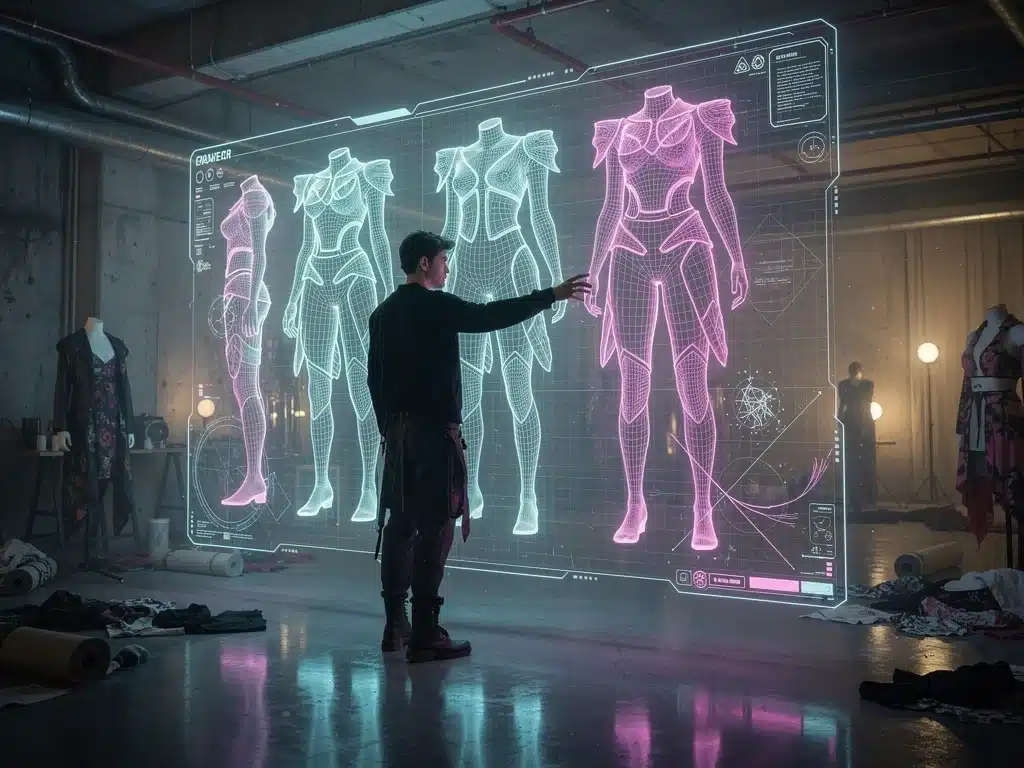
Generative AI can produce complex and unique patterns that might be difficult or time-consuming for a human designer to create manually. By inputting themes, motifs, or even abstract concepts, designers can receive a myriad of pattern variations.
These patterns can range from intricate digital prints to innovative fabric weaves, offering a fresh aesthetic for underground clothing. The ability to generate endless unique designs ensures that collections can maintain a distinct and avant-garde identity.
- Input stylistic keywords to generate unique graphic patterns.
- Experiment with algorithmic variations of existing motifs.
- Create bespoke textile designs for limited-edition pieces.
Novel Silhouette and Garment Structure Exploration
Beyond surface patterns, generative AI can also assist in exploring entirely new garment silhouettes and structural forms. Designers can feed the AI with historical fashion data, architectural inspirations, or even natural forms to suggest innovative garment constructions.
This capability allows for rapid prototyping of unconventional shapes and cuts, which are often hallmarks of underground fashion. The AI can help visualize how different elements might combine to create garments that challenge traditional aesthetics.
The iterative nature of AI generation means designers can quickly test and refine numerous structural ideas, accelerating the development of truly groundbreaking pieces. This fosters a dynamic design environment where daring concepts can be brought to life efficiently.
AI-Driven Personalization and Customization
In underground fashion, individuality and self-expression are paramount, making personalization a highly valued aspect. AI-driven customization platforms allow brands to offer bespoke garments tailored to individual customer preferences, fit, and stylistic choices.
This goes beyond simple size adjustments; AI can recommend unique design modifications, suggest complementary pieces, or even co-create designs with the customer. Such deep personalization strengthens the bond between brand and consumer, fostering loyalty and unique identity.
For independent designers, this means being able to cater to a diverse clientele without the overheads typically associated with mass customization. It transforms the shopping experience into a collaborative creative process, aligning perfectly with underground ethos.
Hyper-Personalized Garment Recommendations
AI algorithms can analyze a customer’s past purchases, browsing history, social media activity, and even uploaded style preferences to recommend highly personalized garment options. This ensures that suggestions align perfectly with their unique aesthetic.
For underground fashion enthusiasts, who often seek unique pieces that reflect their identity, this level of personalization is invaluable. It helps them discover items that truly resonate, moving beyond generic recommendations to truly bespoke suggestions.
- Suggest unique combinations based on user’s existing wardrobe.
- Recommend new releases tailored to individual style profiles.
- Offer custom modifications based on personal fit preferences.
Co-Creation Platforms with Customers
Some advanced AI applications enable customers to actively participate in the design process, co-creating garments with the brand. Through intuitive interfaces, users can modify elements, choose fabrics, and even generate unique patterns with AI assistance.
This interactive approach empowers consumers to become part of the creative journey, resulting in truly one-of-a-kind pieces. For underground brands, this fosters a strong community and a sense of ownership among their clientele.
The co-creation model not only enhances customer satisfaction but also provides valuable design insights for the brand, as popular customization choices can inform future collections. It’s a win-win for both designers and their discerning audience.
AI for Sustainable and Ethical Production
Sustainability is a growing concern across all fashion sectors, and underground fashion is no exception. AI offers powerful solutions for optimizing production processes, minimizing waste, and ensuring ethical sourcing, aligning with the values often held by independent brands.
From optimizing cutting patterns to reduce fabric waste to tracking the supply chain for ethical compliance, AI enhances environmental and social responsibility. This helps underground designers build brands with integrity, a crucial differentiator in today’s conscious market.
The implementation of AI in these areas not only benefits the planet but also improves efficiency and cost-effectiveness for small-scale production. It represents a tangible way for underground labels to lead by example in sustainable fashion practices.
Waste Reduction through Pattern Optimization
AI software can analyze garment patterns and optimize their placement on fabric to minimize waste, a technique known as ‘nesting.’ This is particularly beneficial for small-batch production typical of underground fashion, where every inch of material counts.
By achieving higher fabric utilization rates, designers can reduce material costs and their environmental footprint. This precision cutting also contributes to more consistent garment quality and streamlines the manufacturing process.
- Automated nesting algorithms for maximum fabric efficiency.
- Calculation of optimal material usage for various garment sizes.
- Reduction in textile waste during the cutting phase.
Ethical Supply Chain Traceability
AI-powered platforms can track materials and components throughout the entire supply chain, providing transparency and verifying ethical sourcing. This is vital for underground brands that prioritize fair labor practices and environmentally friendly materials.
By using AI to monitor suppliers and production facilities, designers can ensure their garments are produced under responsible conditions. This builds trust with consumers who increasingly demand ethical accountability from their favorite brands.
The ability to provide verifiable proof of ethical practices strengthens a brand’s reputation and appeal within the conscious consumer market. It transforms abstract ethical claims into concrete, traceable actions, fostering a more responsible industry.
| Key Application | Brief Description |
|---|---|
| Trend Forecasting | AI analyzes subcultural data to predict niche fashion trends. |
| Generative Design | AI creates unique patterns and silhouettes, aiding creative exploration. |
| Personalization | AI enables bespoke garment recommendations and co-creation with customers. |
| Sustainable Production | AI optimizes material usage and ensures ethical supply chain traceability. |
Frequently Asked Questions About AI in Underground Fashion
AI in underground fashion primarily focuses on hyper-niche trend identification, bespoke customization for individual expression, and sustainable small-batch production. Unlike mainstream applications targeting mass markets, AI here empowers independent creators to maintain authenticity and cater to specific subcultures, fostering unique, ethical, and highly personalized designs.
Independent designers benefit from AI fashion design through enhanced creative exploration, rapid prototyping, and efficient resource management. AI tools help them predict micro-trends, generate unique design variations, and optimize production for sustainability, allowing them to compete effectively and maintain their distinct artistic vision with fewer resources.
No, AI is a powerful assistant, not a replacement for human creativity in underground fashion design. It automates repetitive tasks, generates ideas, and provides data insights, allowing designers to focus on artistic direction and conceptualization. The human touch remains essential for injecting soul, emotion, and cultural understanding into the final designs, ensuring authenticity.
Many AI tools are becoming increasingly accessible, from subscription-based generative design platforms to open-source trend analysis software. Cloud-based AI services for pattern optimization and supply chain traceability are also available, often with tiered pricing models suitable for smaller budgets. These tools empower independent brands to leverage advanced technology.
AI contributes to sustainability by optimizing fabric cutting to reduce waste, tracking ethical sourcing throughout the supply chain, and analyzing consumer demand to minimize overproduction. For underground fashion, this means creating more environmentally conscious collections with greater transparency, aligning with the values of conscious consumers and fostering responsible brand practices.
Looking Ahead: The Future of AI in Underground Fashion
The ongoing integration of AI into underground fashion design signifies a paradigm shift, moving beyond mere technological novelty to fundamental operational and creative enhancements.
Designers must remain informed about these evolving capabilities to fully harness the potential of AI fashion design.
The trajectory indicates deeper collaboration between human intuition and artificial intelligence, promising an era of unprecedented innovation, personalization, and sustainability in niche fashion markets.
This continuous evolution in AI fashion design is poised to redefine how we conceive, create, and consume underground styles.